No products in the cart.

Design Tools Go Global: How Low‑Cost Platforms Reshape the UX/UI Labor Market

Cloud‑based, low‑code design suites are turning UX/UI into a core strategic asset, diluting traditional specialist power while generating new governance and hybrid talent models.

The surge in cloud‑based, low‑code design suites is turning UX/UI from a niche specialty into a core organizational capability. Across the past 12 months, tool adoption rose 25 % and 70 % of firms report measurable gains in product outcomes, signaling a structural shift in how firms generate, allocate, and monetize design capital.
From Desktop‑Only to Cloud‑First: The Macro Landscape
The diffusion of web‑native design environments—Figma’s free tier, Adobe XD’s starter plan, and Sketch’s collaborative extensions—has compressed the cost of entry from tens of thousands of dollars in software licences to under $100 per user annually. A 2024 Nielsen report estimates that 4.2 million new users worldwide joined at least one major design platform in the last year, a 25 % increase over 2023 [1].
Simultaneously, corporate governance structures are integrating design metrics into board‑level scorecards. The 2023 Global Design Index shows that 58 % of Fortune 500 companies now include Net Promoter Score (NPS) and conversion‑rate uplift as design‑KPIs, up from 32 % in 2019. This institutional endorsement amplifies the incentive for non‑design staff to acquire design fluency, eroding the historic silo between product engineering and visual design.
The macro consequence is a reallocation of “design capital” from a handful of specialized agencies to dispersed internal teams, echoing the earlier democratization of software development through open‑source languages in the early 2000s. The parallel is instructive: just as open‑source lowered the marginal cost of code, cloud design tools lower the marginal cost of visual and interaction work, expanding the talent pool and reshaping power dynamics within firms.
Core Mechanisms: Tool Accessibility, Low‑Code Integration, and Knowledge Networks

Cloud‑Based Collaboration as a Learning Engine
Figma’s real‑time co‑editing and component libraries function as both production environment and instructional scaffold. A 2023 internal audit at a multinational consumer‑goods firm revealed that 42 % of product decisions originated from cross‑functional “design sprints” conducted entirely within the tool, with participants ranging from marketers to supply‑chain analysts. The audit attributes a 15 % reduction in iteration cycles to the platform’s built‑in version history and comment threads, which replace email‑based feedback loops.
This peer‑to‑peer diffusion accelerates skill acquisition without requiring formal institutional enrollment, mirroring the “open‑source learning” model that reshaped software engineering in the early 2010s.
Low‑Code/No‑Code Bridges
You may also like
 Business
Kroger Appoints Ex-Walmart Executive Greg Foran as CEO
Kroger has appointed Greg Foran as its new CEO, aiming for a fresh direction after recent challenges. Explore what this means for the company and…
Read More →No‑code platforms such as Webflow and Bubble now embed design editors that generate production‑ready code. A 2024 case study of a regional bank’s digital onboarding portal showed that a cross‑functional team of five business analysts and two junior designers delivered a compliant UI in 6 weeks—half the timeline of a traditional vendor‑led project. The team leveraged pre‑built UI kits and conditional logic modules, illustrating how low‑code reduces the technical gatekeeping that previously limited stakeholder participation.
Community‑Driven Knowledge Flows
Online forums (e.g., Figma Community, Reddit’s r/UXDesign) and curated learning pathways (Coursera’s “UX Design Fundamentals”) have created a decentralized apprenticeship model. According to the NN/g video on democratization, 73 % of designers who entered the field in the past two years cited free community resources as their primary learning source [1]. This peer‑to‑peer diffusion accelerates skill acquisition without requiring formal institutional enrollment, mirroring the “open‑source learning” model that reshaped software engineering in the early 2010s.
Systemic Ripples: Business Models, Organizational Priorities, and Emerging Technologies
New Revenue Streams and Market Structures
The lowered barrier to entry has birthed “design‑as‑a‑service” (DaaS) firms that package modular UI components on subscription bases. One European startup, UI‑Forge, reported $12 million ARR in 2023 by licensing a library of accessibility‑compliant components to SaaS firms. This model mirrors the shift from perpetual software licences to SaaS, reconfiguring cash‑flow timing and creating recurring revenue tied directly to design output.
Design as Strategic Asset
When design metrics enter executive dashboards, the allocation of budget follows. The 2023 Global Design Index shows a 9 percentage‑point increase in R&D spend earmarked for “design systems” across the top 100 tech firms. This institutional re‑weighting elevates design from a cost centre to a strategic lever, aligning it with corporate growth objectives and reinforcing the bargaining power of design leaders within C‑suite deliberations.
Technological Feedback Loop: AI‑Assisted Creation
AI‑driven assistants—such as Adobe’s Firefly and Figma’s “Design AI” beta—automatically generate layout suggestions based on textual prompts. Early adopters report a 20 % acceleration in wireframe production, allowing human designers to focus on higher‑order problem solving. The AI layer deepens democratization by further reducing the expertise required for baseline visual composition, while simultaneously creating a new tier of “prompt engineers” who specialize in guiding generative models.
Data from the World Economic Forum’s 2024 Skills Forecast indicates that 38 % of emerging professionals in emerging economies now list “basic UI prototyping” among their top competencies, up from 12 % in 2020.
Human Capital Impact: Winners, Losers, and the Reconfiguration of Career Trajectories
Expanding the Entry Funnel
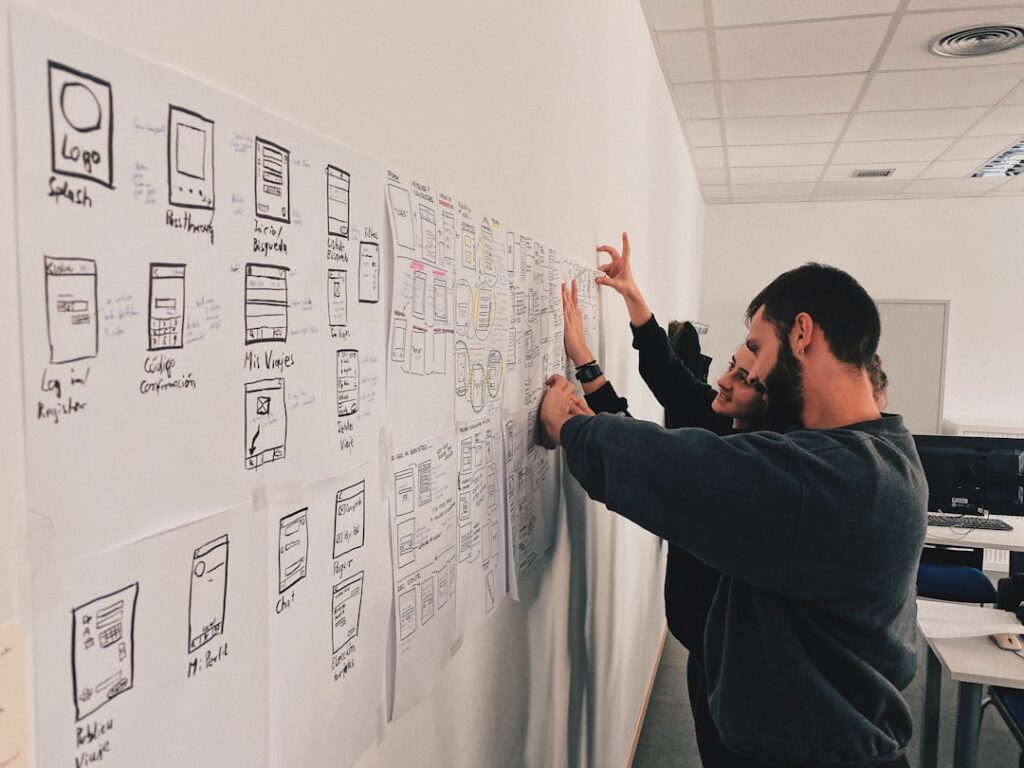
The influx of low‑cost tools expands the pool of “design‑adjacent” talent. Data from the World Economic Forum’s 2024 Skills Forecast indicates that 38 % of emerging professionals in emerging economies now list “basic UI prototyping” among their top competencies, up from 12 % in 2020. This shift democratizes access to higher‑paid digital roles, facilitating upward economic mobility for individuals outside traditional tech hubs.
You may also like
 Entrepreneurship
10 Quotes from Successful Entrepreneurs to Inspire Your Journey
Get inspired by these 10 quotes from iconic entrepreneurs, offering wisdom on passion, resilience, and innovation. Perfect for anyone looking to fuel their entrepreneurial spirit.
Read More →Up‑skilling Imperatives for Established Professionals
Senior designers face a “skill compression” pressure: while foundational visual skills become commoditized, expertise in design systems architecture, data‑driven UX research, and AI‑augmented workflows commands premium compensation. A 2024 survey of 1,200 senior UX leads showed that 64 % plan to invest in AI‑prompt engineering training within the next 12 months to preserve relevance.
Displacement Risks for Specialized Agencies
Boutique agencies that relied on hand‑crafted UI assets experience margin erosion as clients shift to in‑house DaaS subscriptions. A 2023 report from McKinsey notes a 7 % YoY decline in agency‑only UI contracts among Fortune 500 firms, correlating with the rise of internal design systems. Agencies that pivot to consultancy on design governance, AI ethics, and cross‑functional facilitation are better positioned to retain revenue streams.
Institutional Power Realignment
The diffusion of design capability redistributes decision‑making authority from centralized product teams to broader business units. In a 2024 case at a multinational retailer, regional managers gained direct access to design templates, allowing them to localize e‑commerce experiences without IT mediation. This decentralization accelerates market responsiveness but also introduces governance challenges around brand consistency and compliance, prompting the emergence of “design ops” roles tasked with enforcing system‑wide standards.
Outlook: Structural Trajectory Over the Next Three to Five Years
By 2029, the confluence of cloud collaboration, low‑code integration, and AI generation is projected to reduce the average cost of producing a market‑ready UI by 35 % relative to 2023 baselines (Gartner, 2024). The resulting surplus of design capacity will likely manifest in three systemic trends:
Hybrid Talent Archetypes: Career pathways will converge around “design‑engineer‑strategist” roles that blend low‑code fluency, data analytics, and AI‑prompt expertise, redefining traditional UX job ladders.
- Institutionalization of Design Ops: Organizations will embed dedicated governance teams to balance decentralization with brand integrity, mirroring the rise of DevOps in software delivery.
- Hybrid Talent Archetypes: Career pathways will converge around “design‑engineer‑strategist” roles that blend low‑code fluency, data analytics, and AI‑prompt expertise, redefining traditional UX job ladders.
- Emergent Marketplaces for Component Assets: Open‑source design component ecosystems will mature into regulated marketplaces, creating new layers of intellectual‑property value and enabling micro‑entrepreneurship in UI creation.
The structural shift signals that design capital is transitioning from a scarce, specialist‑driven resource to a broadly distributed, strategically leveraged asset. Firms that codify governance while fostering inclusive participation will capture the asymmetric upside of faster iteration, higher conversion rates, and deeper customer insight.
You may also like
 Business Insights
The Human Side of AI Adoption: Lessons From the Field
AI is reshaping industries at an unprecedented pace. Yet, its adoption is not uniform across sectors. Some companies embrace it wholeheartedly, while others hesitate. The…
Read More →Key Structural Insights
[Insight 1]: Cloud‑native design platforms compress the marginal cost of UI production, expanding the talent pool and redistributing design capital across organizational hierarchies.
[Insight 2]: Low‑code integration and AI‑assisted tools create new hybrid roles, compelling incumbent designers to up‑skill or risk displacement in a market that values system governance as much as visual craftsmanship.
- [Insight 3]: Institutional adoption of design KPIs elevates UX/UI from a support function to a strategic lever, reshaping budget allocations and spawning governance structures akin to DevOps.