No products in the cart.

Renewable Energy’s Role in Geopolitical Power Shifts
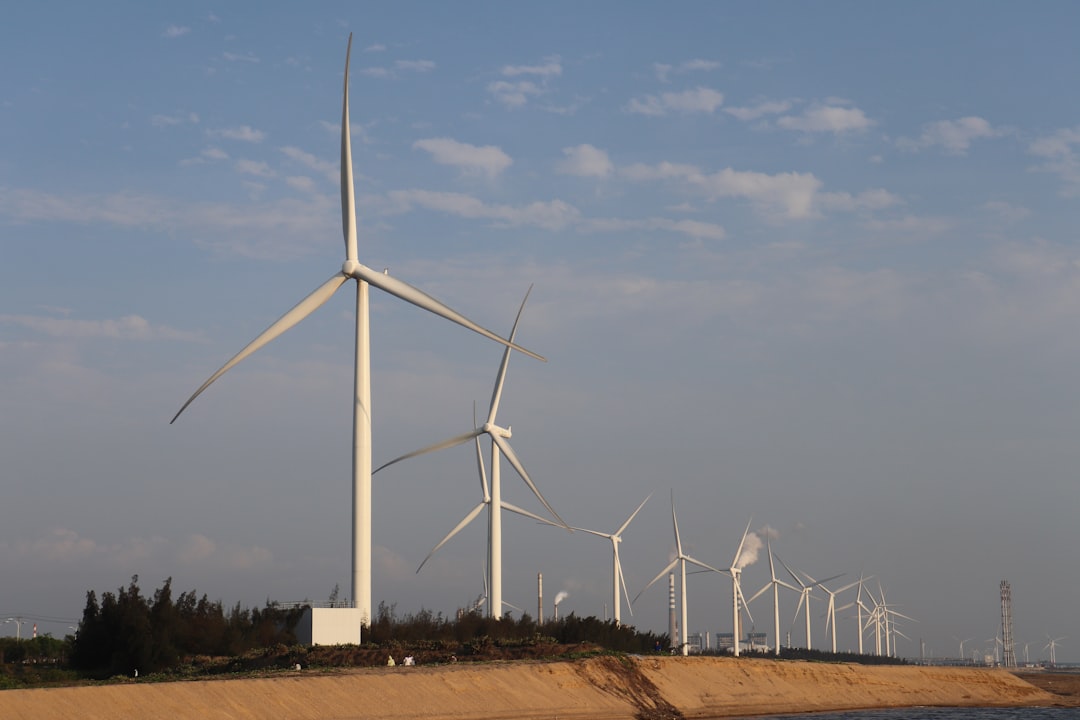
Renewable energy investments are shifting global power dynamics, influencing geopolitics and economic strategies. Explore the implications.

Washington, D.C. — Renewable energy is not just a technological revolution; it is a geopolitical one. As nations race to achieve energy independence through clean technology, the global balance of power is shifting dramatically. In 2023, global investments in renewable energy reached a staggering $500 billion, according to the international Energy Agency (IEA) [1]. This surge reflects a strategic pivot away from fossil fuels, driven by rising energy prices and climate commitments.
The implications of this transition are profound. Countries that once relied heavily on oil and gas imports are now investing in solar, wind, and other renewable sources to ensure energy security and economic stability. This shift is not merely about energy; it is about power, influence, and the future of international relations.
Investment in renewable energy is reshaping geopolitical alliances. For instance, the European Union (EU) has committed to reducing greenhouse gas emissions by 55% by 2030, driving significant investments in clean technology across member states [2]. The EU’s Green Deal aims to make Europe the first climate-neutral continent, positioning it as a leader in the global energy transition. This ambition enhances Europe’s soft power on the world stage, allowing it to influence emerging economies that are at critical junctures in their energy development.
 Advertising
Harnessing Neuroscience for Career Confidence
Neuroscience offers powerful techniques to enhance career confidence. Learn how to apply these insights for better decision-making and self-belief in…
Read More →In contrast, countries like China have emerged as dominant players in the renewable energy market. With over $380 billion invested in clean energy technologies in 2022 alone, China leads in solar panel manufacturing and electric vehicle production [3]. This dominance not only secures China’s energy needs but also allows it to extend its influence through trade and investment in developing nations. As African and Asian countries seek to leapfrog traditional energy sources, they increasingly look to China for financing and technology, establishing new dependencies.
This ambition enhances Europe’s soft power on the world stage, allowing it to influence emerging economies that are at critical junctures in their energy development.
Meanwhile, the United States is attempting to reassert its influence in the renewable sector. The Inflation Reduction Act of 2022 allocated $369 billion toward clean energy initiatives, aiming to stimulate domestic production and job creation [4]. This policy shift is intended to position the U.S. as a leader in renewable technologies and reduce its reliance on foreign energy sources. However, the challenge remains: can the U.S. effectively compete with China’s aggressive investments?
The strategic implications of these investments extend beyond economics. Energy independence is becoming a cornerstone of national security. Countries that can harness renewable energy resources reduce their vulnerability to geopolitical tensions and supply chain disruptions. For instance, nations in the Middle East, traditionally reliant on oil exports, are diversifying their energy portfolios to include renewables as a hedge against fluctuating oil prices and political instability.
In addition to energy security, the global shift to renewables presents opportunities for innovation and job creation. The International Renewable Energy Agency (IRENA) projects that global employment in the renewable energy sector could reach 24 million jobs by 2030, up from 12 million in 2020 [5]. This growth underscores the potential for green jobs to drive economic recovery post-pandemic and support sustainable development goals.
 AI
AIThe Rise of AI in Mediation: Opportunities and Ethics
AI mediators are transforming conflict resolution. This article explores their rise, ethical debates, and implications for mediation jobs.
Read More →However, the transition to renewable energy is not without challenges. Issues such as technological inequality, regulatory hurdles, and market access disparities can hinder progress. Developing nations often face significant barriers in financing and implementing clean energy projects, risking a widening gap between developed and developing countries. Addressing these disparities is critical for ensuring that the benefits of renewable energy are equitably shared.
Looking ahead, the interplay between renewable energy investment and geopolitics will continue to shape global dynamics. Nations must navigate this complex landscape carefully, balancing domestic needs with international commitments. Cooperative frameworks will be essential; multilateral agreements focusing on technology sharing and investment can help bridge gaps between nations and foster a more sustainable future.
This growth underscores the potential for green jobs to drive economic recovery post-pandemic and support sustainable development goals.
The future landscape of global power is being redrawn, with renewable energy at its center. Countries that embrace this transition can enhance their influence and secure their interests in a rapidly changing world. As the race for energy independence intensifies, the question remains: which nations will lead the charge into this new era of geopolitics?