Global Policy Lessons from Pandemic Recovery
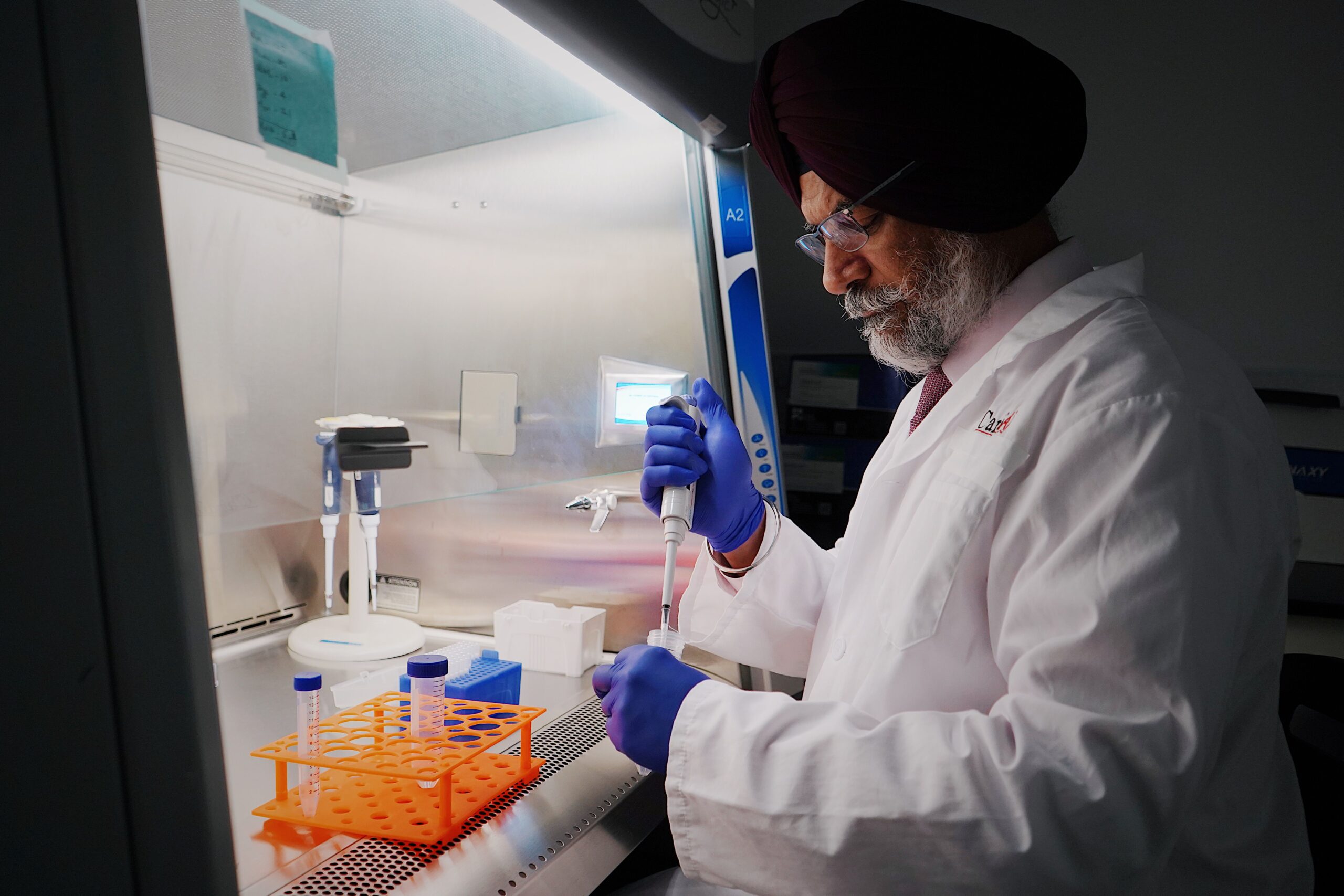
The COVID-19 pandemic has reshaped our world, exposing vulnerabilities in health systems, economies, and social infrastructures. As nations emerge from the crisis, they are reflecting on the lessons learned and the policies that can guide future preparedness and equity.
This global reassessment is not merely academic; it has real implications for workforce development, economic resilience, and social justice. Countries like new zealand, Germany, and South Korea have been highlighted for their effective responses, which blend strong governmental action with community engagement.
Context: The Global Landscape
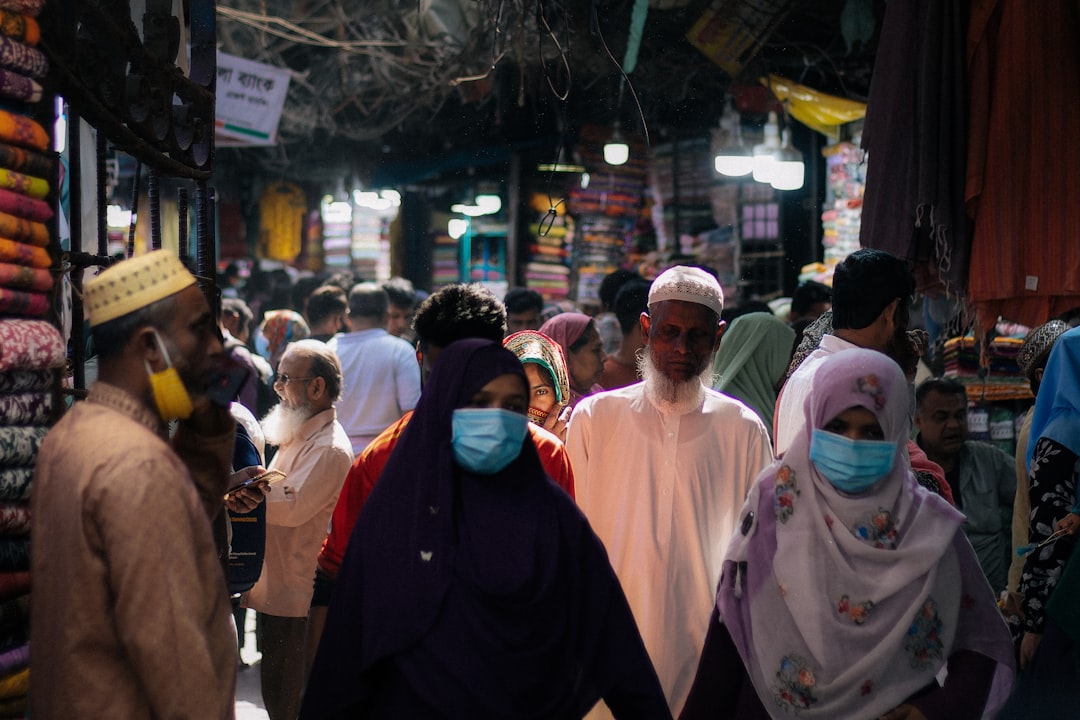
As of 2025, the world continues to grapple with the effects of the pandemic. According to the World Bank, it is estimated that global economic recovery will take years, with some regions projected to lag significantly behind others. The disparities in recovery rates have prompted discussions about equitable policies that prioritize vulnerable populations.
Governments have begun to recognize that traditional models of crisis response are inadequate. For instance, nations that relied heavily on top-down directives have learned the importance of grassroots involvement. Countries like Taiwan and Singapore utilized technology and community engagement to effectively manage the virus spread, leading to better health outcomes.
Countries like Taiwan and Singapore utilized technology and community engagement to effectively manage the virus spread, leading to better health outcomes.
Analysis: Lessons Learned
One of the most significant lessons is the necessity of building resilient health systems. Countries that invested in healthcare infrastructure before the pandemic fared much better. For example, Germany’s healthcare system, characterized by its robust public health infrastructure, allowed for efficient testing and contact tracing, resulting in lower infection rates compared to countries with weaker systems like the U.S. and Brazil[1].
Equity emerged as another critical theme. The pandemic laid bare existing inequalities, with marginalized communities suffering the most. In the U.S., Black and Latino populations experienced higher rates of infection and mortality, prompting calls for policy reforms that address these disparities. The Biden administration’s American Rescue Plan, which included provisions for direct financial aid and health access, reflects a shift toward more inclusive policymaking[2].
Furthermore, digital transformation accelerated during the pandemic, highlighting the importance of technology in recovery efforts. Countries that embraced digital tools for health monitoring and remote work saw less disruption. For instance, Estonia’s e-government initiatives allowed for seamless transitions to online services, setting a precedent for other nations to follow[3].
However, the reliance on technology also raised concerns about privacy and data security. The balance between public health and individual rights has become a contentious issue, prompting debates in countries like the UK and Australia over the extent of government surveillance[4].
Forward-Looking Insights
As we move forward, the lessons learned during the pandemic will likely shape global policies for years to come. Investment in healthcare infrastructure, equitable access to resources, and the responsible use of technology will be paramount. Nations that prioritize these areas will not only enhance their resilience against future crises but also foster a more equitable society.
Countries that embraced digital tools for health monitoring and remote work saw less disruption.
The path ahead requires collaboration across borders. Global health initiatives must be inclusive, bringing together governments, non-profits, and the private sector to create sustainable solutions. The ongoing challenge will be to ensure that the hard-won lessons do not fade into the background as we return to normalcy.
Written by Career Ahead AI. AI can make mistakes, so verify key facts. Report errors to support@careeraheadonline.com.