No products in the cart.

Reimagining Architecture: Innovations for a Sustainable Future

Sustainable architecture is evolving. From net-zero designs to smart materials, the industry is embracing innovation for a greener future.

Boston, USA — The architecture industry is undergoing a profound transformation as designers and engineers embrace sustainability and innovation. With the urgent need to combat climate change, concepts such as net-zero design, adaptive reuse, and smart material innovation are not just trends; they are becoming essential practices in modern architecture.
This shift is more than a response to environmental challenges; it represents a fundamental change in how buildings are conceived, constructed, and used. As cities expand and resources dwindle, architects are tasked with creating structures that are not only functional but also environmentally friendly and sustainable.
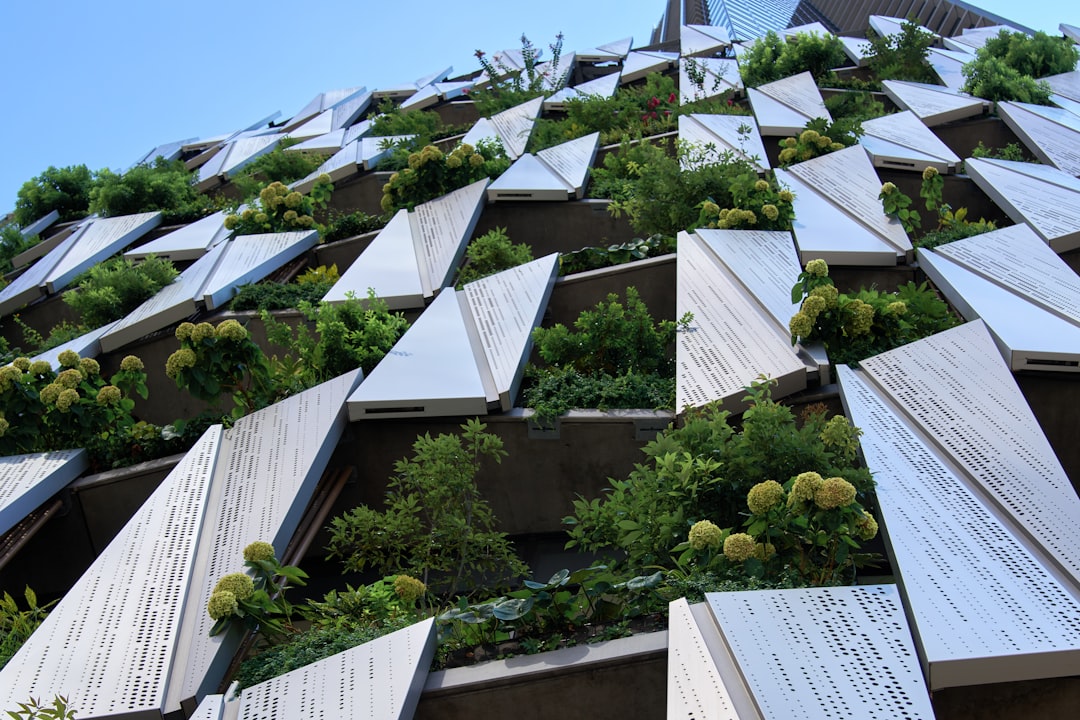
Net-zero design, which aims to create buildings that produce as much energy as they consume, is gaining traction globally. According to a report by the International Energy Agency, buildings account for nearly 40% of global energy-related carbon dioxide emissions. As a result, the push for net-zero buildings is not just about aesthetics; it’s about accountability and responsibility.
Adaptive reuse—transforming old buildings for new purposes—also plays a critical role in reducing waste and preserving cultural heritage. This approach not only minimizes environmental impact but also revitalizes communities. A study from the National Trust for Historic Preservation found that reusing existing structures can save up to 80% of the embodied energy compared to new construction.
 AI
AIThe Rise of AI in Taxation: Transforming Compliance Careers
AI is revolutionizing the tax profession, automating compliance and reshaping career paths. Discover the implications for aspiring tax professionals.
Read More →Adaptive reuse—transforming old buildings for new purposes—also plays a critical role in reducing waste and preserving cultural heritage.
Smart materials, which adapt to environmental changes, are revolutionizing the way buildings respond to their surroundings. These materials can change properties based on temperature, light, or humidity, leading to enhanced energy efficiency. For instance, thermochromic windows can darken in response to heat, reducing the need for air conditioning and thereby lowering energy consumption.
The Broader Impact
The implications of these innovations extend beyond architecture. As cities grapple with climate change, rising populations, and urban sprawl, sustainable building practices offer solutions that align with broader environmental goals. The Global Climate Action Summit in 2021 highlighted the need for cities to become more resilient and sustainable, with architecture playing a pivotal role in that vision.
Moreover, the economic benefits of sustainable architecture are significant. A report by the U.S. Green Building Council estimates that green building contributes more than $100 billion to the U.S. economy annually. This is driven not only by construction but also by reduced operational costs for building owners and tenants alike.
Multiple Perspectives
However, the transition to sustainable architecture is not without challenges. Critics point out that while net-zero designs are ambitious, they can also be prohibitively expensive. A study by McKinsey & Company indicates that the upfront costs associated with green building certifications can deter developers, particularly in markets where profit margins are tight.
 Career Advice
Why Storytelling Is Your Secret Weapon for Job Interviews
Storytelling techniques can significantly enhance your job interview performance. Learn how to leverage methods like STAR and narrative arcs to…
Read More →Furthermore, the availability of skilled labor to implement these advanced building techniques remains a concern. The construction industry is facing a skills gap, and without adequate training programs, the widespread adoption of innovative materials and methods may stall.
On the other hand, advocates argue that the long-term savings on energy and maintenance costs, coupled with potential tax incentives for sustainable building practices, make these investments worthwhile. The U.S. federal government recently introduced tax credits for energy-efficient buildings, effectively lowering the financial barriers for developers willing to embrace sustainable practices.
Furthermore, the availability of skilled labor to implement these advanced building techniques remains a concern.
Looking Ahead
As we look to the future, the role of technology in architecture will only grow. Innovations such as 3D printing, artificial intelligence, and virtual reality are beginning to reshape design processes, making them more efficient and collaborative. These technologies can facilitate the integration of sustainability into the design phase, ensuring that eco-friendly practices are not an afterthought but a foundational element.
Ultimately, the evolution of architecture is about more than just buildings. It’s about creating spaces that enhance life while respecting the planet. As the industry continues to innovate, it will be crucial for architects, policymakers, and communities to work together to redefine what is possible in building design. The question remains: how will we balance the needs of growth with the imperative of sustainability?
 Business And Entrepreneurship
India’s Startup Renaissance: Key Developments of September 2025
Explore the vibrancy of India's startup ecosystem in September 2025, highlighting key trends and developments that are shaping the future…
Read More →