Mumbai, India — In a significant shift in the global retail landscape, India has emerged as a powerhouse for consumer giants, driven by a burgeoning middle class and rapid digital adoption. The country’s retail sector is expected to reach $1.3 trillion by 2025, fueled by a unique blend of e-commerce growth and traditional retail resilience.
According to a report by the India Brand Equity foundation (IBEF), the retail market in India is projected to grow at a compound annual growth rate (CAGR) of 10% from 2021 to 2026. Factors contributing to this growth include increasing disposable income, urbanization, and the proliferation of smartphones, which has made online shopping more accessible than ever. The growth trajectory places India among the top five retail markets globally, alongside the United States, China, Japan, and Germany.
Global brands like Amazon, Walmart, and Alibaba are keenly aware of this potential. Amazon has invested over $6.5 billion in India, enhancing its logistics and expanding its product offerings to cater to local tastes. Walmart, through its acquisition of Flipkart, has positioned itself to leverage India’s vast online market. These investments demonstrate a commitment to not just entering the market but also adapting strategies to resonate with Indian consumers.
Consumer Behavior and E-commerce Impact
Consumer behavior in India is shifting rapidly. The pandemic accelerated online shopping, with e-commerce sales expected to surpass $100 billion by 2025. A report from Bain & Company indicates that online penetration in the retail sector could reach 25% by 2025, up from 5% in 2021. This shift is not just a trend; it is a fundamental change in how Indian consumers interact with brands.
Global brands like Amazon, Walmart, and Alibaba are keenly aware of this potential.
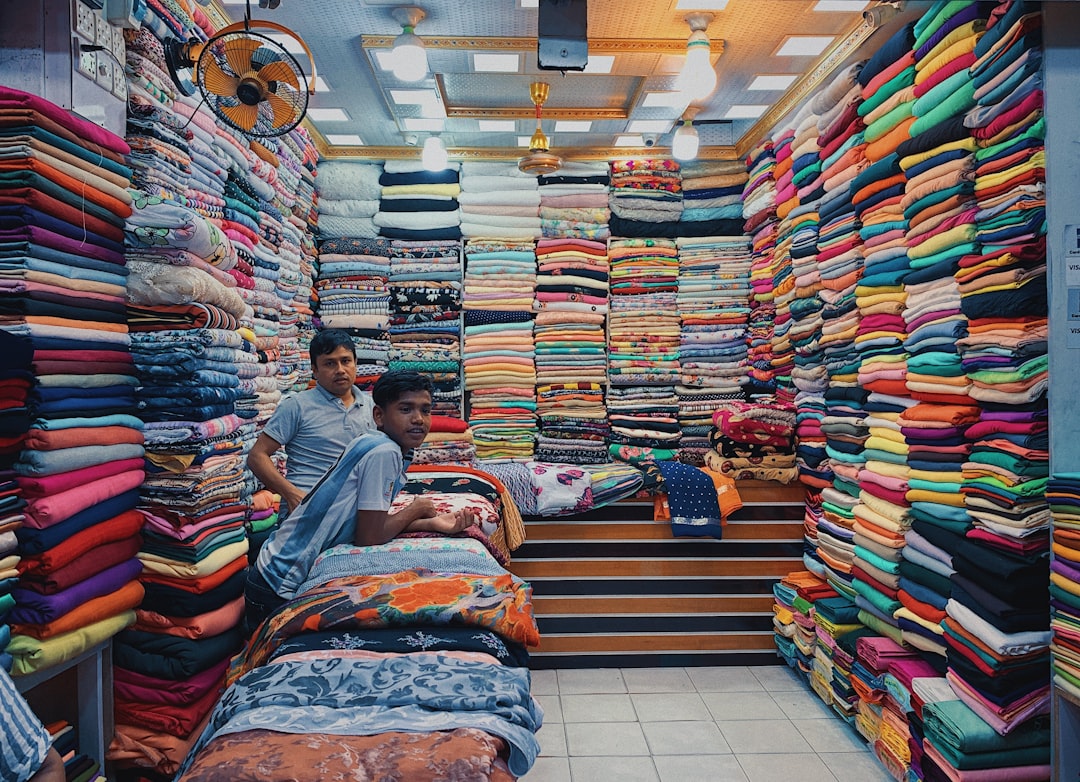
While e-commerce flourishes, traditional retail is not disappearing. According to IBEF, brick-and-mortar stores still account for over 85% of the market. However, these stores are increasingly adopting technology to enhance customer experiences and streamline operations. Retailers are investing in omnichannel strategies, ensuring a seamless integration of online and offline shopping.
For instance, Reliance Retail, part of the Reliance Industries conglomerate, has been at the forefront of this transformation. The company has introduced advanced supply chain technologies and digital solutions to cater to both in-store and online customers. This hybrid approach not only retains the traditional customer base but also attracts younger, tech-savvy shoppers.
 Government & Policy
How to Prepare for Campus Placements in India
Aptitude rounds, company-specific interviews and one-offer policies shape a practical preparation order for students seeking campus internships or jobs.
Read More →Challenges and Opportunities
Despite the optimistic outlook, challenges loom. Regulatory hurdles and intense competition can stifle growth. India’s complex tax system and the need for compliance with local laws can be daunting for foreign investors. Moreover, local players are not standing still. Companies like Tata Group and Aditya Birla Group are bolstering their positions in the market with aggressive expansion strategies and innovative retail formats.
Furthermore, as the market matures, consumer expectations are evolving. Today’s shoppers demand not just products but experiences. Brands that fail to innovate risk losing relevance. Sustainability is also becoming a focal point. With increasing awareness of environmental issues, companies are pressured to adopt sustainable practices, from sourcing materials responsibly to reducing carbon footprints.
As these trends unfold, the role of technology will be paramount. The integration of AI and machine learning in retail operations is set to enhance inventory management, customer service, and personalized marketing. The adoption of augmented reality (AR) and virtual reality (VR) technologies can also revolutionize the shopping experience, offering consumers interactive and immersive ways to engage with products.
The integration of AI and machine learning in retail operations is set to enhance inventory management, customer service, and personalized marketing.
Looking Ahead: The Future of Retail in India
The future of retail in India is bright yet complex. The convergence of e-commerce and traditional retail models is redefining shopping experiences. For global brands, understanding local consumer behavior will be crucial. As more companies tap into India’s market potential, those that prioritize adaptability and innovation will thrive.
With a projected consumer base of 1.5 billion by 2030, India represents one of the last large markets for retail expansion. This presents both a challenge and a remarkable opportunity for global players. As they navigate this dynamic landscape, the focus will increasingly shift towards creating meaningful connections with consumers, leveraging technology, and embracing sustainability. The next few years are likely to witness a transformation that fundamentally reshapes not just the retail sector in India, but also the global retail landscape.
 Entrepreneurship & Business
Qualcomm Plans Global Job Cuts After Annual Reviews
A memo from chief executive Cristiano Amon links the reductions to performance culture and says business priorities and required skills will guide decisions.
Read More →Written by Career Ahead AI. AI can make mistakes, so verify key facts. Report errors to support@careeraheadonline.com.