No products in the cart.

Empowering Youth Leadership Through Global Perspectives

Youth leadership thrives on global perspectives. Learn how intercultural education can shape tomorrow's leaders.


New York, USA — As the world grapples with pressing challenges such as climate change, social inequality, and economic disruption, the need for a new generation of leaders who possess a global perspective has never been more critical. Youth leadership today must transcend borders, embracing intercultural education to forge connections and drive impactful change. This call for a more inclusive educational framework is gaining traction among educators, policymakers, and youth advocates alike.
Now more than ever, the significance of global perspectives in youth leadership cannot be overstated. With 1.8 billion young people aged between 10 and 24 globally, as reported by the United Nations, the potential for this demographic to influence societal norms is vast. The challenge lies in equipping them with the skills necessary to navigate complexities that span cultural and geographical divides.
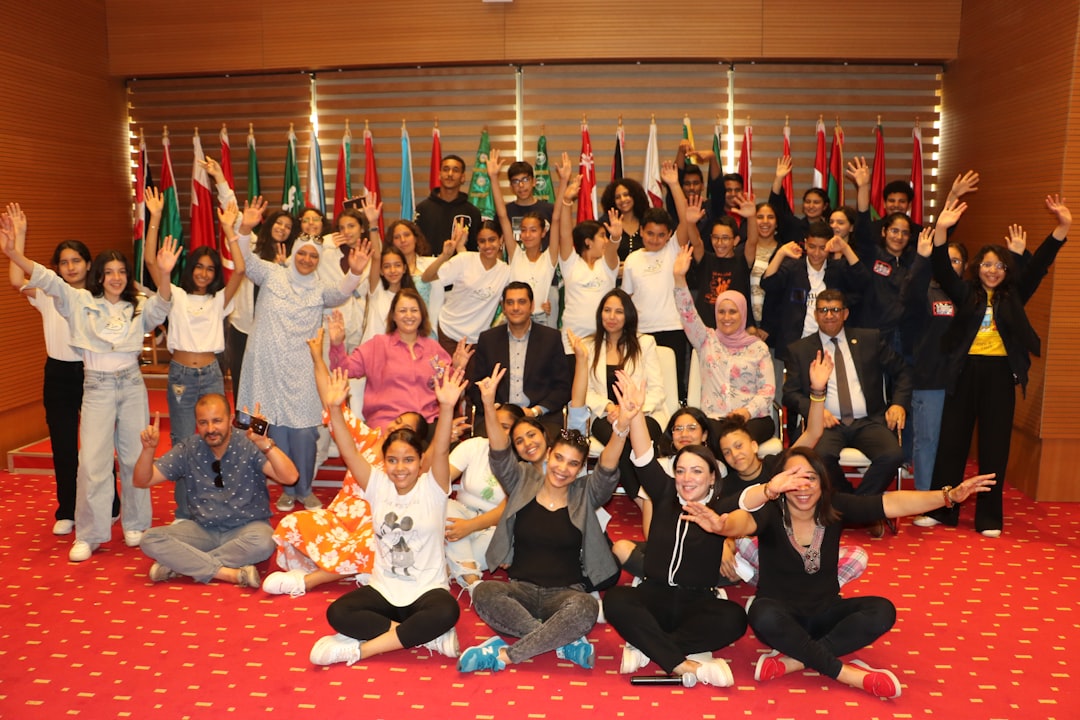
The concept of intercultural education emphasizes not only the importance of understanding different cultures but also the need to engage with diverse viewpoints. This approach fosters empathy, critical thinking, and collaboration—skills essential for effective leadership in an interconnected world. As organizations like UNESCO advocate for education systems that prioritize global citizenship, the urgency of integrating these principles into youth leadership programs becomes apparent.
Historically, leadership development has often been confined to local contexts, focusing on national issues without considering the global landscape. However, the increasing interconnectedness of our world necessitates a shift. A 2022 report by McKinsey & Company noted that 71% of executives believe that a diverse workforce improves decision-making and innovation, underscoring the importance of varied perspectives in leadership roles [1]. This data highlights the growing recognition among business leaders that effective leadership is inherently global.
This approach fosters empathy, critical thinking, and collaboration—skills essential for effective leadership in an interconnected world.
One compelling example of this shift is the rise of international youth exchanges and global leadership programs. Initiatives such as the Young Leaders Program by the United Nations and the Global Citizen Year offer young people opportunities to engage with global challenges while learning from peers in different cultural contexts. These programs not only enhance participants’ leadership skills but also promote cross-cultural understanding, which is vital in today’s diverse workplaces.
You may also like
 Career Tips
7 Unconventional Ways to Showcase Hidden Skills on a Resume
In a competitive job market, a traditional resume may not be enough to stand out. Incorporating unique and innovative strategies can increase chances of getting…
Read More →Moreover, the COVID-19 pandemic has further highlighted the importance of global perspectives. As countries navigated the crisis, it became evident that collaborative approaches yielded better outcomes. The Global Health Security Index reported that countries with stronger international collaboration and communication were more effective in managing the pandemic [2]. This serves as a powerful reminder of the necessity for future leaders to be equipped with a global mindset.
However, challenges remain. Many educational systems are still primarily focused on national curricula, which can limit students’ exposure to global issues. A study by the Brookings Institution found that only 27% of students in the United States reported having learned about global issues in school [3]. This gap in education illustrates the need for systemic changes to ensure that youth are not only aware of global challenges but are also prepared to address them.
Addressing this educational gap requires collaboration among educators, policymakers, and businesses. Schools must integrate global perspectives into their curricula, emphasizing project-based learning and real-world applications. Programs that include internships or service-learning opportunities abroad can provide invaluable experiences, allowing students to confront and engage with global challenges firsthand.
From a business standpoint, organizations can play a crucial role by supporting educational initiatives that focus on intercultural competence. By partnering with schools and universities, companies can help design programs that prepare students for the realities of a globalized workforce. This not only strengthens the talent pipeline but also fosters a culture of inclusivity and innovation within organizations.
Furthermore, youth leadership development should be viewed as a two-way street. Young leaders can offer fresh perspectives on sustainability and social equity, contributing to corporate strategies that align with the United Nations Sustainable Development Goals (SDGs). Involving youth in decision-making processes not only empowers them but can also lead to more innovative solutions to global challenges.
From a business standpoint, organizations can play a crucial role by supporting educational initiatives that focus on intercultural competence.
Looking ahead, the integration of global perspectives into youth leadership training will be pivotal in shaping a sustainable future. As the world continues to confront complex issues, the next generation of leaders must be equipped with the tools to collaborate across cultures and disciplines.
You may also like
 Entrepreneurship & Business
Bond Traders Brace for Key Rate Decisions This Week
As bond traders anticipate significant rate decisions this week, the market prepares for potential sell signals. This article explores the implications for investors and the…
Read More →As we consider the path forward, it is essential to ask: How can we ensure that youth leadership programs prioritize global education? The answer will not only shape the leaders of tomorrow but will also influence the trajectory of societal progress and innovation.