No products in the cart.

India and Australia Forge Stronger Clean Energy Partnership
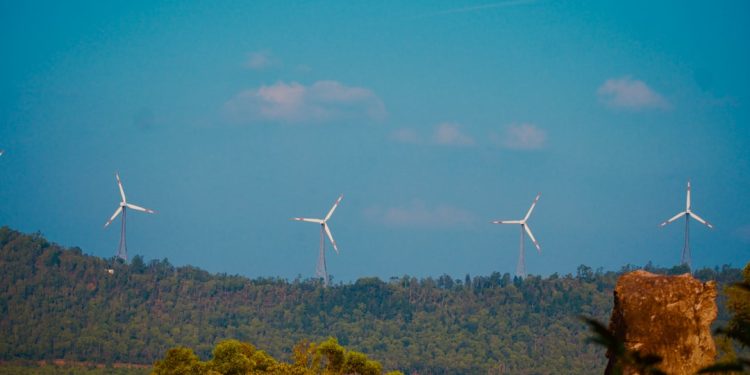
India and Australia are deepening their clean energy collaboration, paving the way for new career opportunities in the renewable sector.

New Delhi, India — India and Australia are ramping up their clean energy collaboration, seeking to leverage their respective strengths to combat climate change and bolster economic resilience. This initiative comes in the wake of increasing global pressure to meet carbon reduction targets, particularly as nations prepare for the upcoming COP28 climate conference in Dubai.
The two countries have agreed to enhance their cooperation in renewable energy technologies, particularly solar and hydrogen. This partnership reflects a strategic response to the challenges posed by climate change and the global transition towards sustainable energy sources. Prime Minister Narendra Modi and Australian Prime Minister Anthony Albanese recently outlined their vision for a greener future, emphasizing the importance of collaborative efforts in achieving net-zero emissions.

The significance of this partnership extends beyond environmental concerns. It also opens a myriad of opportunities for career development in the renewable energy sector. As both nations invest in clean energy infrastructure, training programs will be essential for equipping the workforce with the necessary skills. The emphasis on green jobs aligns with the global trend towards sustainable employment, as countries pivot from traditional fossil fuel industries.
India’s commitment to renewable energy is evidenced by its ambitious target to achieve 500 GW of non-fossil fuel capacity by 2030. Currently, the country derives about 20% of its energy from renewable sources, and this figure is set to rise. The Indian government has initiated several policies to encourage investment in solar energy, including the Solar Park Scheme and the Production-Linked Incentive (PLI) scheme, which aims to boost solar manufacturing in the country.
As both nations invest in clean energy infrastructure, training programs will be essential for equipping the workforce with the necessary skills.
Australia, on the other hand, has been a leader in the development of renewable energy technologies, particularly solar power. The country has one of the highest rates of rooftop solar installations in the world, driven by government incentives and a proactive consumer base. The Australian government has pledged to cut emissions by 43% by 2030, and significantly increase its investment in renewable energy projects.
According to the International Energy Agency (IEA), global investments in renewable energy are projected to reach $2 trillion annually by 2030, with significant contributions from both India and Australia. This influx of capital is likely to create millions of jobs across various sectors, from manufacturing and installation to research and development.
However, challenges remain. The transition to a clean energy economy requires overcoming significant hurdles, including financing, regulatory frameworks, and technological advancements. As India and Australia work together, they must also address these challenges to create a sustainable and economically viable path forward.
The skills gap in the renewable energy sector is another pressing issue. As demand for clean energy grows, so does the need for a skilled workforce. Both governments are focusing on education and training programs to prepare individuals for careers in this burgeoning field. For instance, initiatives like the India-Australia skill development Partnership aim to facilitate knowledge exchange and skill development in clean energy technologies.
Moreover, private sector involvement will be crucial. Companies like Adani Green Energy and Fortescue Metals Group are at the forefront of renewable energy projects in their respective countries. Their collaboration could lead to innovative solutions and increased efficiencies in clean energy production.
As India and Australia strengthen their clean energy ties, the implications for the global job market in the renewable sector are profound. Young professionals and students should consider pursuing careers in renewable energy, as it is poised to be one of the fastest-growing sectors in the coming years. Engaging in relevant training programs and educational opportunities will be essential for those looking to enter this field.
As demand for clean energy grows, so does the need for a skilled workforce.
Furthermore, the partnership between India and Australia serves as a model for other countries seeking to enhance their clean energy initiatives. By combining resources and expertise, nations can achieve their climate goals more effectively and efficiently.
In the coming years, the synergy between India and Australia in clean energy could set a precedent for international collaboration on climate change. As both countries invest in renewable technologies and workforce training, they not only contribute to global emissions reduction efforts but also create a sustainable economic future. The renewable energy revolution is not just about fighting climate change; it’s about building a resilient workforce ready to tackle the challenges of tomorrow.
Written by Career Ahead AI. AI can make mistakes, so verify key facts. Report errors to support@careeraheadonline.com.