No products in the cart.

Harnessing AI in Chemistry: The Future of Smarter Labs

AI is revolutionizing the field of chemistry, accelerating experiments and redefining the skills chemists need to succeed.

Cambridge, UK — Artificial intelligence is transforming the landscape of chemistry, enabling faster experiments and enhancing scientific capabilities. In a field traditionally reliant on meticulous manual labor, AI is poised to accelerate discoveries and optimize research methodologies.
This shift is particularly relevant as the global chemistry market is projected to reach $5 trillion by 2027, growing at a compound annual growth rate (CAGR) of 3.1% from 2020 to 2027 [1]. As chemists increasingly turn to AI tools, understanding their impact on laboratory practices and required skills becomes vital.
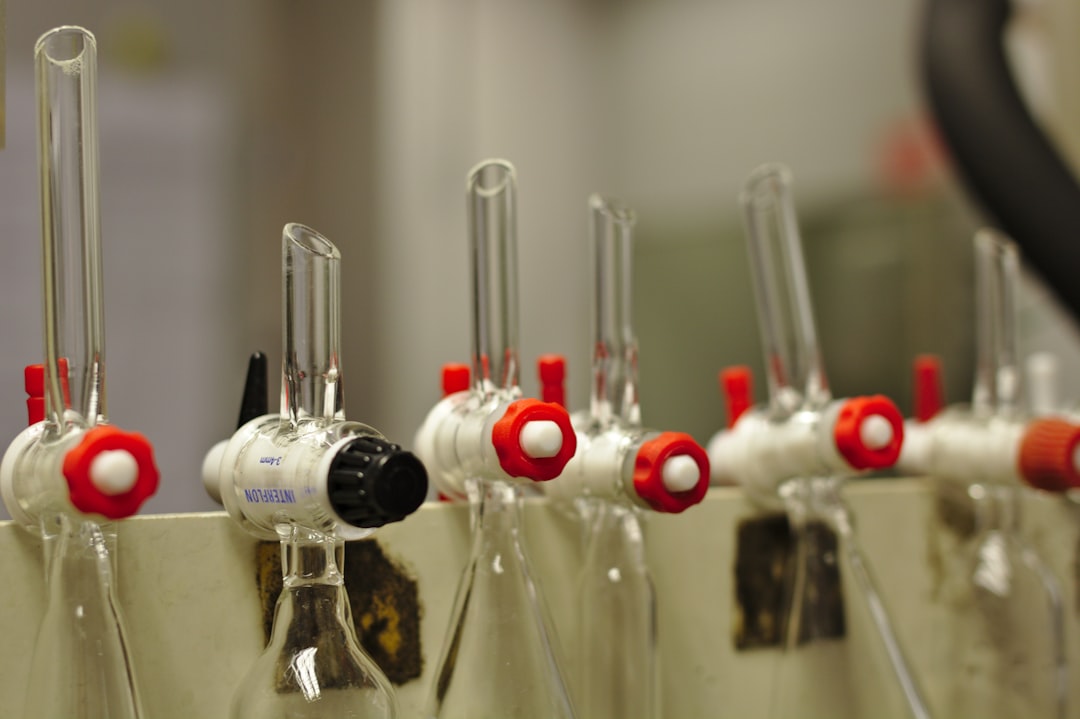
AI-driven technologies, such as machine learning algorithms and data analytics, are now integral to the research process. For instance, IBM’s RXN for Chemistry allows chemists to predict the outcomes of chemical reactions, significantly speeding up the trial-and-error process that has long characterized the discipline. This platform, launched in 2019, uses AI to analyze vast datasets, offering insights that can lead to successful experiments without extensive laboratory trials [2].
 Software Engineering
The Emerging Market of Carbon Removal: Startups and Innovation
Emerging startups in carbon removal are reshaping the landscape of sustainability. Explore their innovations and implications for the future.
Read More →Moreover, the integration of AI in chemical research is not just about speed; it’s also about enhancing accuracy. A study published by the American Chemical Society found that AI models could predict reaction outcomes with an accuracy of up to 90% in some cases, a significant improvement over traditional methods [3]. This accuracy can lead to more reliable results, opening doors to innovative applications in pharmaceuticals, materials science, and environmental chemistry.
This platform, launched in 2019, uses AI to analyze vast datasets, offering insights that can lead to successful experiments without extensive laboratory trials [2].
However, the rise of AI in chemistry necessitates a shift in the skill sets required for chemists. As AI systems become more prevalent, chemists must develop proficiency in data analysis, programming, and machine learning to fully leverage these tools. Educational institutions are already adapting, with universities increasingly incorporating AI and data science into their chemistry curricula. For example, the University of California, Berkeley, has launched specialized courses aimed at teaching chemistry students how to utilize AI in their research [4].
The implications of this evolution extend beyond the laboratory. As AI enhances the efficiency of chemical research, it also allows for a more collaborative approach across disciplines. Chemists, data scientists, and engineers are increasingly teaming up to tackle complex problems, leading to innovations that could not be achieved in isolation.
Despite the advantages, the integration of AI in chemistry raises ethical and practical considerations. For instance, reliance on AI could lead to a reduction in traditional laboratory skills, potentially creating a gap in fundamental scientific knowledge among new graduates. Moreover, there are concerns about data integrity and the potential biases inherent in AI algorithms. Addressing these issues will be crucial as the field continues to evolve.
 Career Development
Employers Will Judge Your Entire Online Ecosystem in 2025: What Job Seekers Must Know
By 2025, employers are increasingly scrutinizing candidates' entire online ecosystems. Understanding this evolution is critical for career advancement and digital…
Read More →Looking ahead, the synergy between AI and chemistry will likely catalyze significant advancements in various sectors. In pharmaceuticals, for example, AI can streamline drug discovery, reducing the time it takes to bring new medications to market. With the global pharmaceutical market expected to reach $1.5 trillion by 2023, the financial implications of these efficiencies are substantial.
As we navigate this transformative period in chemistry, chemists must embrace a dual approach: mastering traditional techniques while becoming adept at using AI tools. This combination will not only enhance their research capabilities but will also position them at the forefront of innovation in a rapidly evolving field.
For instance, reliance on AI could lead to a reduction in traditional laboratory skills, potentially creating a gap in fundamental scientific knowledge among new graduates.
Ultimately, the future of chemistry is one where human intuition and AI precision work hand in hand. As the industry adapts to these changes, the potential for groundbreaking discoveries increases, promising a new era of scientific achievement.