


New York, USA — Around the globe, schools are reinventing their physical spaces to meet the demands of 21st-century education. From Singapore’s eco-friendly campuses to Finland’s modular classrooms, architects and educators are collaborating to design schools that serve more than just traditional learning. These spaces prioritize flexibility, technology integration, and sustainability to prepare students for an unpredictable future. As education evolves, so must the environments where learning happens. The shift toward project-based curricula, digital fluency, and social-emotional learning has exposed the limitations of conventional classroom layouts. Modern school design now embraces openness, adaptability, and inclusivity, reflecting wider societal calls for equity and environmental responsibility.
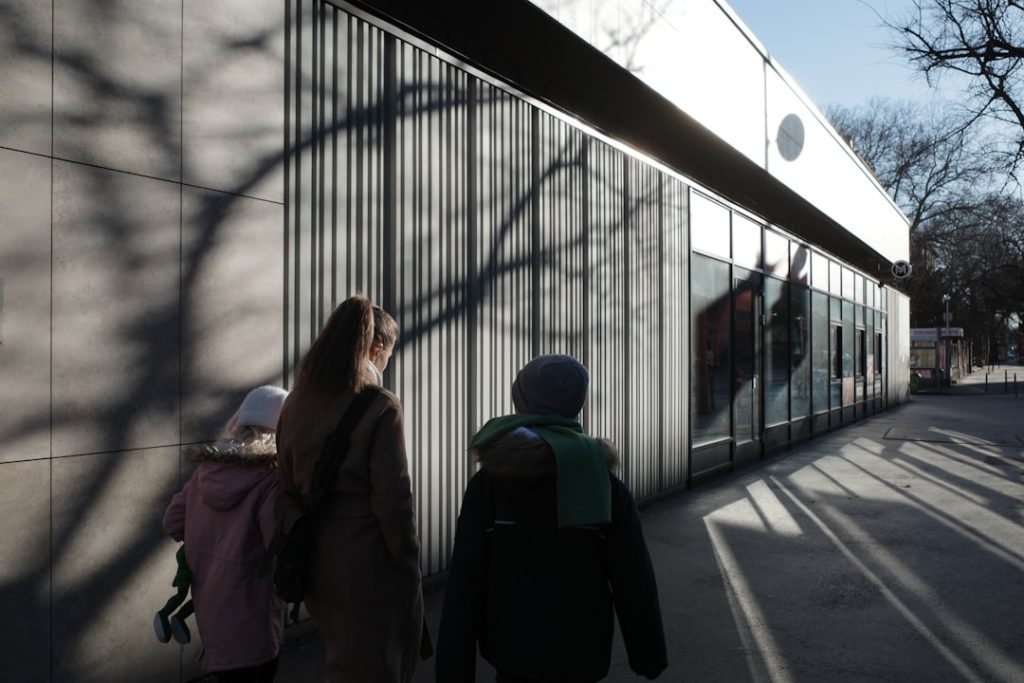
These environments support self-directed learning and peer interaction, which educators argue are essential for preparing students for the workforce.
Why School Design Matters Now
With global enrollment expected to rise by 15% by 2030, according to UNESCO, school infrastructure is under pressure to expand capacity while improving quality[1]. The COVID-19 pandemic accelerated demands for hybrid learning environments, prompting a re-examination of spatial dynamics and air quality standards. Likewise, climate change mandates energy-efficient buildings that reduce operational costs and environmental footprints. Education leaders recognize that the physical setting is critical for student engagement and outcomes. Research from the University of Salford found that well-designed classrooms can improve learning by up to 16% through factors like natural light, acoustics, and air quality[2]. This has propelled investments in dynamic spaces that support collaboration, creativity, and wellness.
Global Trends in School Architecture
Across continents, innovative design principles are reshaping schools. In Copenhagen, Denmark, the Amager Resource Center integrates classrooms into a waste-to-energy plant, illustrating how environmental consciousness informs educational spaces. The building offers rooftop ski slopes and climbing walls, blending recreation with sustainability education. Meanwhile, the U.S. Department of Education’s 2023 report highlights a surge in adaptive reuse projects, converting old factories and warehouses into schools equipped with flexible learning zones. This approach cuts costs and revitalizes communities, particularly in urban areas facing school overcrowding[3].
In Asia, Singapore’s new campus models emphasize modular classrooms that can be reconfigured on demand. These schools incorporate biophilic elements—green walls, natural ventilation, and daylighting—to reduce stress and boost cognitive function. The Ministry of Education in Singapore reports that such features correlate with higher student attendance and satisfaction rates.
 Education & University Insights
Tamil Nadu Schools Close in Four Districts on October 21
The IMD issued orange alerts for nine districts and yellow alerts for the rest of Tamil Nadu, with heavy to very heavy rain forecast through…
Read More →Pedagogical Shifts Driving Design Innovation
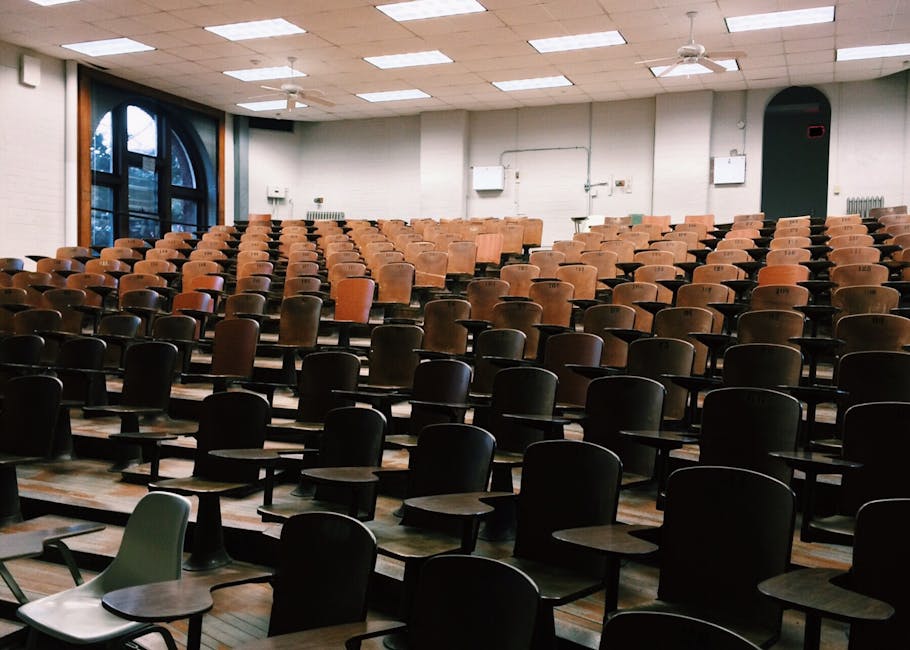
Modern pedagogy demands spaces that accommodate diverse learning styles and technologies. Project-based learning, for instance, requires open areas where students can collaborate and experiment, contrasting sharply with rows of desks facing a teacher. Schools in Canada and Australia are piloting “learning commons” — multifunctional zones that combine libraries, tech hubs, and social spaces. These environments support self-directed learning and peer interaction, which educators argue are essential for preparing students for the workforce. Technology integration also shapes spatial needs. The rise of virtual and augmented reality in classrooms calls for dedicated tech labs and flexible furniture arrangements. The New York City Department of Education’s 2024 strategic plan allocates $250 million for upgrading school infrastructure to support digital learning tools.
Balancing Equity and sustainability
Designing schools for the future is inseparable from addressing inequalities. Low-income communities often suffer from dilapidated facilities and limited access to technology. Nonprofit organizations like Architecture for Humanity focus on designing cost-effective, durable schools in underserved regions, combining local materials with climate-sensitive construction. In sub-Saharan Africa, solar-powered schools are emerging as sustainable solutions to unreliable electricity, enhancing study conditions and extending learning hours. The African Development Bank estimates that investment in green school infrastructure could reduce energy costs by 40% in these countries[4]. In wealthy countries, mandates for carbon-neutral schools are gaining momentum. California passed legislation in 2024 requiring all new public school buildings to meet net-zero emissions standards by 2030. This policy drives innovation in renewable energy integration and smart building systems.
Challenges and Future Directions
Despite promising trends, significant challenges remain. Budget constraints, bureaucratic inertia, and competing priorities slow the pace of redesign projects. Additionally, the evidence base linking specific design features to educational outcomes requires further development, complicating decision-making for policymakers. Experts advocate for stronger partnerships between architects, educators, and communities to ensure that school designs are contextually relevant and culturally sensitive. The rapid pace of technological change also demands adaptable infrastructure capable of evolving with pedagogical advances. Looking ahead, schools are poised to become hubs of innovation extending beyond classrooms. Integration with community services, emphasis on mental health, and flexible spaces for lifelong learning will define the next generation of educational environments. For professionals in architecture, education, and policy, the imperative is clear: design with both purpose and adaptability to prepare learners for an uncertain, rapidly changing world.
Written by Career Ahead AI. AI can make mistakes, so verify key facts. Report errors to support@careeraheadonline.com.





