No products in the cart.

The Future of Workspaces: Embracing Hybrid Collaboration

Hybrid workspaces are reshaping how we connect, collaborate, and thrive at work. Explore the new design trends promoting creativity and community.

San Francisco, USA — The workplace is undergoing a profound transformation. As organizations adapt to hybrid work models, the traditional cubicle is being replaced by more collaborative and community-oriented spaces. This shift is not merely aesthetic; it reflects a deeper understanding of employee needs and the dynamics of modern work.
Why does this matter now? The COVID-19 pandemic accelerated trends that were already in motion. Companies are now reimagining their physical spaces to foster connection, creativity, and well-being. According to a 2023 report by JLL, 70% of employees prefer a hybrid work model, blending remote and in-office work. This preference is driving a re-evaluation of how workspaces are designed and utilized.
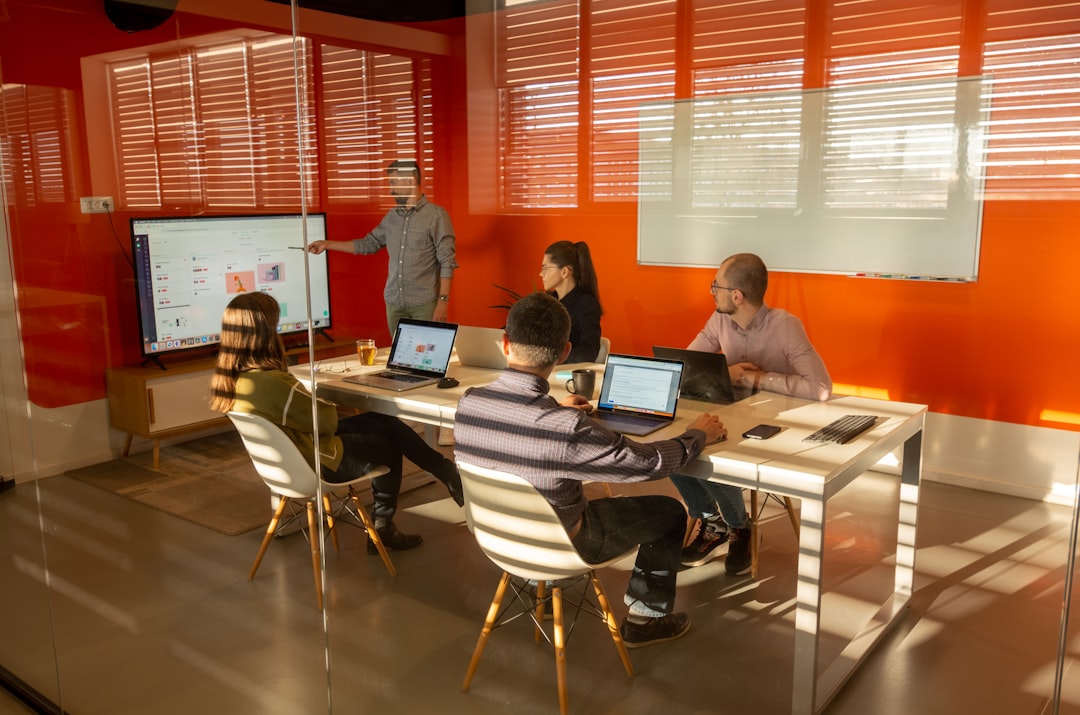
Historically, office designs prioritized individual workstations, often leading to isolation and disengagement. However, the rise of remote work has prompted businesses to rethink their strategies. The focus has shifted towards creating environments that encourage collaboration and community. A study by Harvard Business Review found that employees in collaborative spaces report higher job satisfaction and productivity levels.
 Career Development
How Digital Innovation is Shaping Careers in 2025
Digital innovation is reshaping careers in unprecedented ways. Discover how emerging technologies are influencing job markets and skill demands.
Read More →Leading companies are embracing this trend. Tech giants like Google and Microsoft are investing heavily in redesigning their offices. Google’s new campus in Mountain View, California, features open spaces, communal gardens, and areas specifically designed for team brainstorming sessions. Microsoft has introduced flexible workspaces that adapt to different team needs, promoting both individual focus and group collaboration.
However, the rise of remote work has prompted businesses to rethink their strategies.
The benefits of these design changes extend beyond aesthetics. Research indicates that well-designed workspaces can enhance employee well-being, reduce stress, and improve overall job performance. A 2022 study published in the Journal of Environmental Psychology found that employees who work in biophilic office designs—those integrating natural elements—experience a 15% increase in creativity and a 6% boost in productivity.
However, the transition to hybrid workspaces is not without challenges. Organizations must navigate the complexities of managing diverse work styles and preferences. Employees have varying comfort levels with in-person collaboration, and some may prefer the flexibility of remote work. To address these challenges, companies are implementing policies that promote inclusivity and flexibility in workspace usage.
For instance, companies like Salesforce have adopted a “work from anywhere” policy, allowing employees to choose their work environment. This approach not only empowers employees but also fosters a culture of trust and autonomy. According to a 2023 survey by Gallup, organizations that prioritize employee autonomy see a 20% increase in engagement and retention rates.
 AI
AIHow the AI Revolution is Shaping Opportunities for Older Workers
Explore how the AI revolution is creating unique opportunities for older workers and learn six ways to excel in your…
Read More →As businesses continue to evolve, the concept of the workspace will likely expand further. The future may see a blend of physical and virtual environments, where augmented reality (AR) and virtual reality (VR) play a crucial role in facilitating collaboration. Companies like Meta are already experimenting with VR workspaces, allowing teams to meet and collaborate in immersive digital environments.
Moreover, the emphasis on sustainability is shaping workspace design. Organizations are increasingly considering the environmental impact of their office spaces. According to the World Green Building Council, green buildings can reduce energy consumption by up to 50%. Companies like Unilever are leading the way by integrating sustainable practices into their office designs, which not only benefits the planet but also appeals to environmentally conscious employees.
As businesses continue to evolve, the concept of the workspace will likely expand further.
Looking ahead, the evolution of workspaces will continue to reflect broader societal changes. As remote work becomes entrenched in corporate culture, businesses must remain agile, adapting their strategies to meet the needs of a diverse workforce. The focus will likely shift from merely providing a physical space to creating an environment that fosters innovation, collaboration, and well-being.
 Career
Touch rugby team leads drug and HIV education in communities
A Fijian touch rugby team is leveraging its platform to deliver critical drug and HIV education, creating unique career pathways…
Read More →Ultimately, the future of workspaces is about more than just design; it’s about cultivating a culture that values connection and creativity. As organizations embrace these changes, they will not only enhance employee satisfaction but also drive business success in an increasingly competitive landscape. The question remains: how will your organization adapt to these evolving expectations?