No products in the cart.

Reimagining Public Libraries for the Digital Age

Public libraries are transforming into digital innovation centers, redefining their roles in communities. Discover the future of libraries and their impact on access to information.

Chicago, USA — Public libraries are undergoing a profound transformation. Once considered mere repositories of books, these institutions are evolving into dynamic centers of digital innovation and community engagement. With the rise of technology and changing user needs, libraries are redefining their roles in society.
Across the United States, libraries are investing in technology to enhance access to information and resources. According to the American Library Association, more than 75% of public libraries now offer free Wi-Fi, while nearly 50% provide access to digital collections, including e-books and audiobooks [1]. This shift is not just about technology; it’s about fostering community connections and lifelong learning.
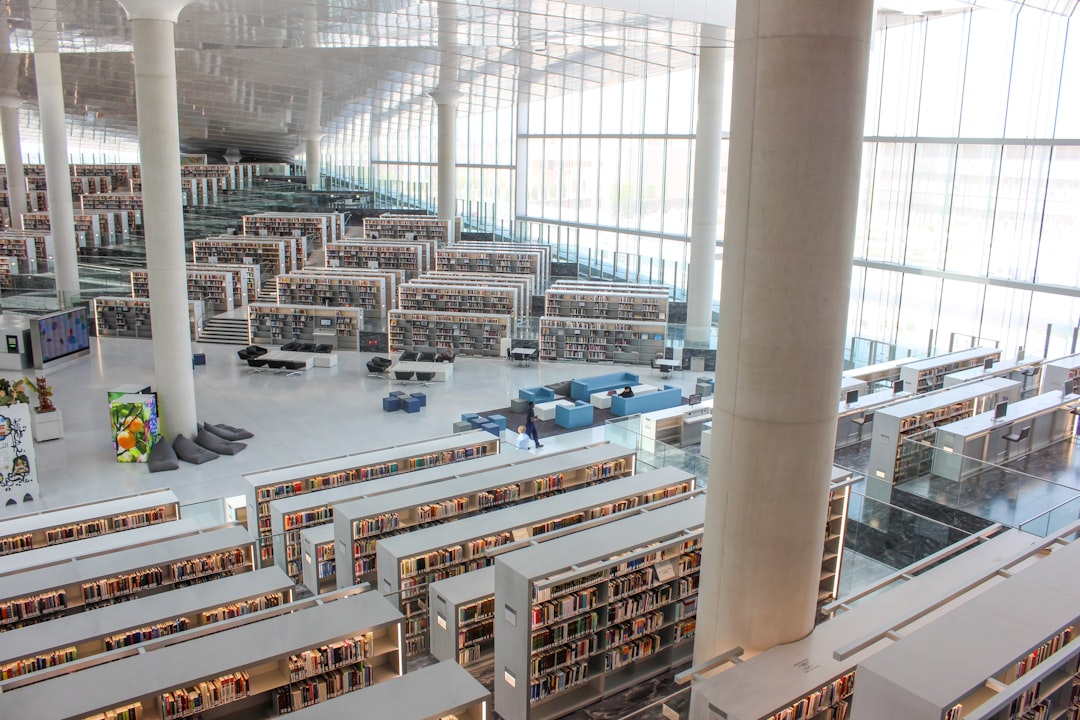
The importance of this evolution cannot be overstated. As information becomes increasingly digitized, libraries stand at the forefront of bridging the digital divide. They serve as critical access points for underserved populations, providing essential resources for education, job training, and personal development. The recent COVID-19 pandemic highlighted these needs, with libraries stepping up to offer virtual programs, online tutoring, and digital literacy workshops.
Historically, libraries have played a pivotal role in democratizing access to knowledge. The first public library in the United States, established in 1833 in Peterborough, New Hampshire, aimed to provide free access to books for all citizens. Today, this mission extends beyond physical books to encompass a wide array of digital resources. Libraries are now equipped with 3D printers, virtual reality technology, and coding labs, allowing patrons to engage with technology in meaningful ways.
They serve as critical access points for underserved populations, providing essential resources for education, job training, and personal development.
For instance, the New York Public Library has launched initiatives like the Library for the Performing Arts, which offers resources for aspiring artists and musicians, and the NYPL Labs, focused on digitizing historical collections for broader access [2]. Similarly, the Seattle Public Library’s Digital Equity Action Plan aims to ensure that all residents have access to the internet and digital literacy training.
You may also like
 News
NewsBloomberg This Weekend 10/4/2026
The launch comes at a time when media consumption patterns are rapidly changing. Viewers increasingly prefer on-demand content and real-time updates, prompting networks like Bloomberg…
Read More →However, the transformation of libraries is not without challenges. Funding remains a critical issue, as many libraries face budget cuts and increased demand for services. According to a report by the Urban Institute, public libraries in low-income areas often struggle to maintain resources and staff [3]. This disparity raises questions about equity in access to information and technology.
Moreover, the rapid pace of technological change poses a continual challenge for libraries. Keeping up with the latest advancements requires ongoing training for staff and investment in infrastructure. As libraries adopt new technologies, they must also prioritize user privacy and data security, ensuring that patrons feel safe while utilizing digital services.
Looking forward, the future of public libraries will hinge on their ability to adapt to the evolving needs of their communities. As the role of technology in education and information access continues to grow, libraries must embrace innovation while remaining committed to their foundational mission of equitable access to knowledge.
Collaboration will be key. Libraries can partner with local schools, community organizations, and tech companies to create programs that address specific community needs. By fostering these relationships, libraries can enhance their offerings and position themselves as essential community resources in the digital age.
Looking forward, the future of public libraries will hinge on their ability to adapt to the evolving needs of their communities.
In this context, the role of librarians is also evolving. No longer just custodians of books, they are becoming facilitators of learning and technology. Training programs for librarians are increasingly focused on digital literacy, technology integration, and community engagement strategies. This shift empowers librarians to guide patrons through the complexities of the digital landscape.
Ultimately, the future of public libraries is bright, but it requires a proactive approach to meet the challenges ahead. By embracing technology, fostering community partnerships, and prioritizing equitable access, libraries can continue to serve as vital institutions that support education, innovation, and community cohesion. As they navigate this transformation, the question remains: How will libraries redefine their impact in an increasingly digital world?
You may also like
 News
NewsJobs Slow but Inflation Keeps Fed on Alert
In September, the economy added just 150,000 jobs, a stark contrast to the 200,000 jobs analysts had predicted. This slowdown comes amid ongoing inflationary pressures,…
Read More →