No products in the cart.

Global Nurse Staffing Policies Face Scrutiny Amid Crisis-Driven Mental Health Challenges
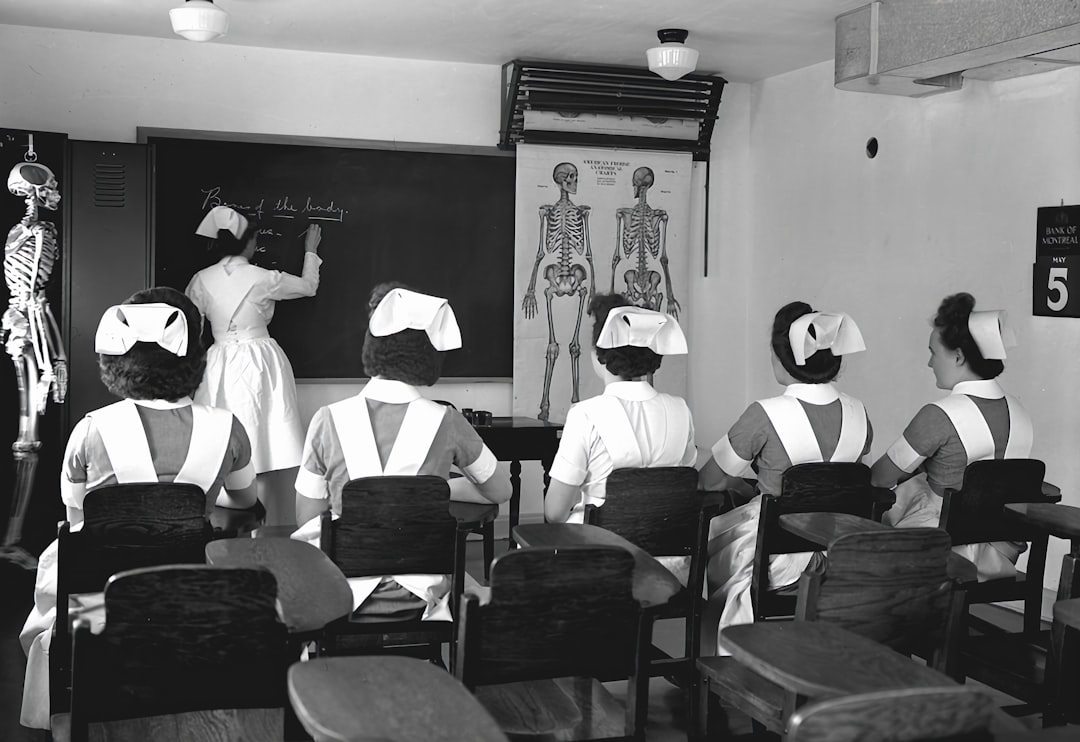
Nurse staffing shortages during crises amplify mental health risks for healthcare workers globally. This report examines policies, data, and future directions for sustainable workforce support.

Washington, D.C. — Nurse staffing shortages during healthcare crises continue to undermine mental health support for frontline workers worldwide, according to recent analyses by BIOENGINEER.ORG and healthcare workforce researchers. As of late 2025, hospitals across the U.S., Europe, and Asia report persistent gaps in nurse-to-patient ratios, exacerbating burnout, anxiety, and depression among nurses during pandemic surges and other emergencies. These staffing deficits have prompted governments and healthcare systems to reevaluate policies aimed at protecting employee mental health. The urgency is underscored by a 2024 World Health Organization (WHO) report showing that nearly 40% of nurses globally experience severe psychological distress during crisis periods, with staffing shortages cited as a primary driver[1].

Why Nurse Staffing Policies Matter Now
Healthcare systems face a dual challenge: maintaining adequate nurse staffing while safeguarding mental health amid unpredictable crises. The link between staffing levels and mental health outcomes is no longer theoretical. Data from the U.S. National Institute for Occupational Safety and Health (NIOSH) reveals that hospitals with nurse-to-patient ratios exceeding 1:6 report 25% higher rates of nurse burnout and absenteeism during peak crisis months[2]. Workforce instability affects not only patient care quality but also the long-term sustainability of healthcare professions. With global nursing shortages projected to reach 13 million by 2030 according to the International Council of Nurses (ICN), the stakes are high. Effective policies that address mental health and staffing are critical to retaining skilled nurses and preventing systemic collapse during future crises.
 Business
Trust as a Cornerstone: Elevating Psychological Safety in Workplaces
Psychological safety is becoming essential in workplaces, driving trust and innovation. Explore its impact on performance and employee well-being.
Read More →Global Context and Historical Challenges
Nurse staffing challenges are not new but have intensified with the COVID-19 pandemic and subsequent health emergencies. In 2020, Italy’s Lombardy region faced a critical shortage of nurses, forcing extended shifts and increasing psychological strain. Similar patterns emerged in India and Brazil, where healthcare workers reported elevated rates of post-traumatic stress disorder (PTSD) linked to staffing deficits[3]. Policy responses have varied. Japan introduced mandatory rest periods and mental health screenings for nurses during the 2021 COVID-19 wave, while Germany invested in telehealth mental support services integrated into hospital staffing plans. The United Kingdom’s National Health Service (NHS) launched a £10 million initiative in 2023 to recruit 5,000 additional nurses specifically to reduce crisis-time overloads and improve mental health outcomes.
Effective policies that address mental health and staffing are critical to retaining skilled nurses and preventing systemic collapse during future crises.

Policy Analysis: Successes and Shortcomings
Despite these efforts, gaps remain. The U.S. federal government’s Nurse Staffing Standards for Hospital Patient Safety and Quality Care Act, proposed in 2024, has stalled in Congress amid debates on funding and implementation specifics. Critics argue that without enforceable nurse-to-patient ratios, mental health interventions alone cannot stem burnout. Conversely, California’s 2019 mandated nurse staffing ratios have yielded measurable improvements. A 2025 study published in the Journal of Nursing Administration found a 15% reduction in nurse burnout rates and a 10% decrease in turnover in hospitals adhering to these standards during crisis periods. However, these results are unevenly replicated in states without similar mandates. Experts also emphasize the need for culturally tailored mental health programs. Dr. Maria Lopez, a healthcare workforce researcher at the University of Toronto, notes, “One-size-fits-all policies overlook the diverse stressors nurses face globally. Addressing language, stigma, and access barriers is essential to effective mental health support.”
 Career Challenges
Ferring Pharmaceuticals Announces 500 Job Cuts Amid Business Model Transition
Ferring Pharmaceuticals is cutting 500 jobs as part of a significant business model shift. This move reflects broader trends in…
Read More →Technology and Innovation in Staffing and Mental Health
Emerging technologies offer partial solutions. AI-driven scheduling platforms optimize nurse shifts to minimize fatigue. Telepsychiatry has expanded access to mental health services for nurses working irregular hours. For example, the Mayo Clinic’s 2024 pilot program combining AI scheduling with virtual counseling reported a 20% improvement in nurse-reported well-being metrics during high-demand periods. However, technology cannot replace the fundamental need for adequate staffing. The International Labour Organization (ILO) stresses that digital tools should complement—not substitute—policy reforms that ensure safe nurse workloads and mental health protections.

Looking Ahead: Implications for Healthcare Professionals and Policymakers
The intersection of nurse staffing and mental health policy will shape healthcare resilience in the next decade. Professionals entering nursing must prepare for environments where mental health support is integral to career sustainability. Educators and training programs are increasingly incorporating stress management and crisis preparedness into curricula. Policymakers must prioritize enforceable staffing standards alongside comprehensive mental health resources. Investments in workforce data analytics, cross-sector collaboration, and culturally competent care models will be crucial. As crises evolve, so must the frameworks protecting those who deliver care. Ultimately, sustainable nurse staffing policies are not just about numbers—they are about preserving the human capital essential to healthcare systems worldwide.
 Career
AI Advancements: Indian Enterprises Move from Pilots to Performance
Indian enterprises are rapidly scaling AI initiatives from pilot projects to full-scale deployments, creating significant career opportunities for young professionals…
Read More →