No products in the cart.

Scaling Creativity in Education: Frameworks for Success
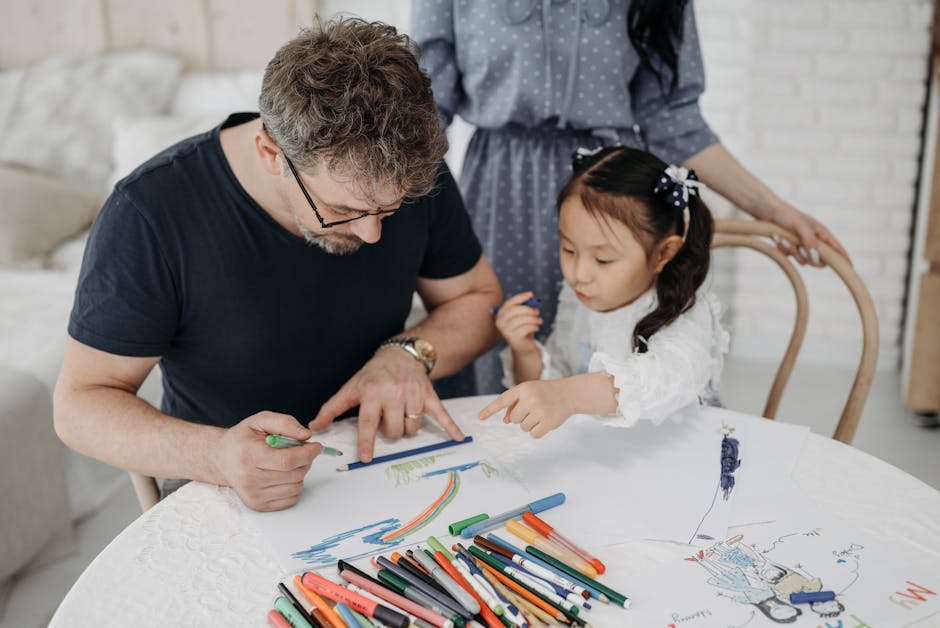
Learn how to teach creativity at scale with innovative frameworks that integrate play and purpose in education.

New York, USA — In an era where creativity is increasingly recognized as a vital skill for the workforce, educators are seeking effective ways to teach it at scale. The challenge lies not just in fostering individual creativity but in embedding it into educational frameworks that can be applied broadly across diverse settings. Recent studies indicate that creative skills are essential for problem-solving and adaptability in the workplace, making this a pressing issue for educators and policymakers alike.
As businesses evolve and the demand for innovative thinkers grows, the need for educational systems to adapt becomes critical. Creativity is no longer an optional skill; it is a necessity. According to a report by the World Economic Forum, creativity is among the top three skills needed in the workforce by 2025, alongside critical thinking and problem-solving [1]. This shift in demand underscores the importance of integrating creativity into educational curricula.
Context and Background
Historically, education systems have emphasized rote learning and standardized testing, often sidelining creative thinking. However, recent educational reforms are beginning to shift this paradigm. For instance, the Partnership for 21st Century Skills advocates for an educational approach that prioritizes creativity alongside core academic subjects [2]. This initiative aims to equip students with the skills necessary to thrive in a rapidly changing world.
 AI
AINavigating the Meta AI Job Landscape: Insights for Tech Workers
Meta's recent layoffs reveal critical lessons for tech workers and STEM students in a rapidly changing industry.
Read More →Moreover, organizations like the Creativity and Innovation Management journal highlight the importance of play in fostering creativity. Playful learning environments encourage experimentation and risk-taking, essential components of the creative process [3]. By integrating play into the curriculum, educators can create a more engaging and effective learning experience.
Historically, education systems have emphasized rote learning and standardized testing, often sidelining creative thinking.
Analysis: Multiple Perspectives
Experts in education and creativity emphasize the need for a structured yet flexible approach to teaching creativity. Dr. Ken Robinson, a leading advocate for creativity in education, argues that schools must cultivate environments that allow for exploration and innovation. He suggests that traditional educational models often stifle creativity by enforcing conformity [4].
Conversely, some educators caution against overly prescriptive frameworks that may limit creative expression. They argue that while structure is necessary, too much rigidity can hinder the very creativity that educators seek to promote. Finding the right balance between guidance and freedom is crucial for fostering an environment where creativity can flourish.

Furthermore, technology plays a significant role in teaching creativity. Digital tools and platforms can enhance creative learning experiences, allowing students to collaborate and share ideas in real-time. For instance, platforms like Google Workspace for Education enable students to work together on projects, fostering a sense of community and collective creativity.
 Immigration
Australia MATES Program: A Game-Changing Opportunity for Indian Graduates to Work Abroad
Australia’s new MATES program offers Indian professionals a unique two-year work visa, enabling them to gain international experience in high-demand…
Read More →As educational institutions experiment with various frameworks, the integration of creativity into curricula is becoming more prevalent. Schools are adopting project-based learning, interdisciplinary studies, and design thinking methodologies to encourage creative problem-solving. These approaches not only engage students but also prepare them for the complexities of modern work environments.
For instance, platforms like Google Workspace for Education enable students to work together on projects, fostering a sense of community and collective creativity.
Forward-Looking Insights

Looking ahead, the challenge remains: how can educational institutions effectively scale creativity while ensuring that all students benefit? As we move into 2026, the emphasis on creativity in education is likely to intensify. Schools that successfully implement innovative frameworks will not only enhance student engagement but also better prepare their graduates for the demands of the future workforce.
Moreover, as businesses increasingly value creativity, partnerships between educational institutions and industries will become essential. Collaborations can provide students with real-world challenges that require creative solutions, bridging the gap between education and employment.
 Cybercrime & Digital Security
Revolutionizing Agriculture: Smart Farming Technologies
Smart farming technologies, including IoT and drones, are reshaping agriculture. Discover how these innovations promote sustainability and food security.
Read More →Ultimately, the future of creativity in education hinges on our ability to embrace change and foster environments where innovation can thrive. How can educators and institutions continue to evolve their practices to meet the growing demands for creativity in the workforce? The answers may shape the next generation of thinkers and leaders.