San Francisco, USA — Artificial intelligence is not just a tool for automation; it is now a collaborator in the creative process. As AI technologies advance, they are reshaping how artists and designers conceptualize and execute their work. From generative art to AI-assisted design, the fusion of human creativity and machine learning is paving the way for unprecedented artistic expression.
This transformation matters now more than ever. The global creative economy, valued at over $2 trillion in 2022, is rapidly evolving as AI tools become more accessible. Artists, designers, and companies are leveraging these technologies to push boundaries and explore new realms of creativity, making this a pivotal moment for innovation in art and design.
AI’s impact on creativity is profound, with numerous examples emerging from various fields. In the realm of visual arts, software like DALL-E and Midjourney allows users to generate images from textual descriptions, enabling artists to visualize concepts that were previously limited by their technical skills. For instance, a designer might input a phrase like “a futuristic cityscape at sunset,” and the AI will produce a stunning visual representation, serving as a starting point for further refinement.
Moreover, AI is not just generating art; it is also enhancing the creative process. Adobe’s Creative Cloud suite now includes AI-driven features that assist users in tasks such as color matching and layout design. These tools allow artists to focus on higher-level creative decisions while the software manages more tedious aspects of the design process. This collaboration enables a more fluid and dynamic approach to creativity.
In the realm of visual arts, software like DALL-E and Midjourney allows users to generate images from textual descriptions, enabling artists to visualize concepts that were previously limited by their technical skills.
In music, platforms like AIVA and Amper Music allow composers to create original scores using AI algorithms. These tools analyze existing music to understand structure, style, and emotion, generating new compositions that can be tailored to specific needs. This democratization of music production empowers aspiring musicians to create high-quality works without extensive training or resources.
Despite the excitement surrounding AI in creative fields, concerns about originality and authenticity persist. Critics argue that AI-generated works lack the emotional depth and personal touch that human artists bring to their creations. A recent study by the University of California, Berkeley, found that while AI can mimic styles and generate impressive visuals, it often fails to convey the nuanced emotions that resonate with audiences [1]. This raises important questions about the role of human creativity in an increasingly automated world.
 AI & Technology
AI Automation and Oil Exploration Link Two Global Risks
AI's use in oil exploration and extraction could add carbon dioxide to the atmosphere, while data centre projects face delays and cancellations.
Read More →
Furthermore, the rise of AI-generated content has implications for copyright and intellectual property rights. As AI systems learn from existing works, the line between inspiration and plagiarism becomes blurred. Legal frameworks are struggling to keep pace with technological advancements, leading to ongoing debates about ownership and attribution in the age of AI [2].
Looking ahead, the future of creativity will likely involve a hybrid model where AI and human artists collaborate more closely. As technology continues to evolve, we can expect to see even more sophisticated tools that enhance creative expression. For instance, AI could analyze audience preferences in real-time, allowing artists to adapt their work and engage with viewers more effectively.
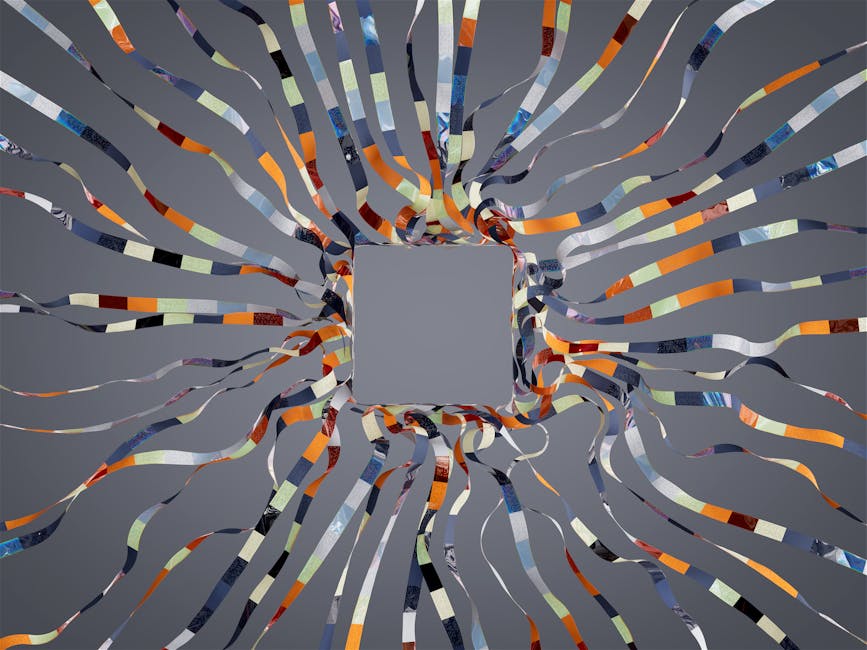
Moreover, educational institutions are beginning to integrate AI into their curricula, preparing the next generation of artists and designers to work alongside these technologies. Schools like the Rhode Island School of Design are offering courses that explore the intersection of AI and art, equipping students with the skills to navigate this new landscape [3].
Moreover, educational institutions are beginning to integrate AI into their curricula, preparing the next generation of artists and designers to work alongside these technologies.
As we embrace this new era of creativity, it is essential to foster a dialogue about the ethical implications of AI in art and design. Artists, technologists, and policymakers must collaborate to establish guidelines that promote innovation while respecting the integrity of human creativity.
Ultimately, the question remains: how will we define creativity in a world where machines can generate art? As AI continues to evolve, it challenges us to rethink our understanding of artistic expression and the role of the artist. This ongoing dialogue will shape the future of creativity, ensuring that human emotion and experience remain at the forefront of artistic endeavors.
 Industry & Global Trends
Agarwal Says India Can Attract Data Centre Investment
Agarwal cites data-centre construction costs around half the US and Europe level, renewable energy, a 1.5 billion population and coastline.
Read More →Written by Career Ahead AI. AI can make mistakes, so verify key facts. Report errors to support@careeraheadonline.com.