No products in the cart.

Rupee at 90: How Your Holiday to Europe and Asia Just Got Pricier
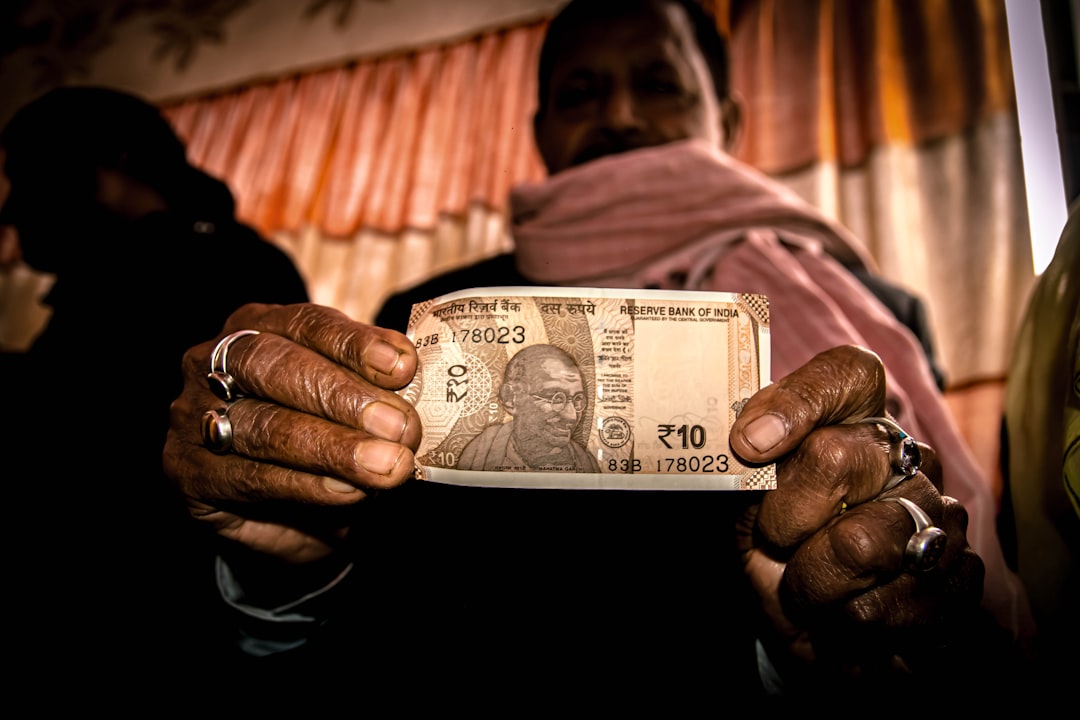
The rupee's decline to 90 against the dollar means higher travel costs for holidays in Europe, the Maldives, and parts of Southeast Asia. Here's what you need to know and do.

Mumbai, India — The recent decline of the Indian rupee past ₹90 against the dollar is reshaping travel plans for many Indians. While this might seem like a problem primarily for those heading to the United States, the reality is much broader. Holidaying in popular destinations like Europe, the Maldives, and parts of Southeast Asia is becoming significantly more expensive. This shift is not just a minor inconvenience; it could reshape your travel budget and plans for the upcoming holiday season.
The rupee hit a record low of 90.7 against the dollar recently, marking a decline from about ₹86.5 six months ago and ₹85 a year ago. This depreciation of roughly 6.25% in just 12 months is not uniform across all destinations. While some countries are experiencing sharper price increases, others are relatively insulated due to local pricing structures and strong domestic tourism demand.
For travelers planning holidays, the impact of the rupee’s decline is felt most acutely in airfares, hotel rates, and on-ground expenses. Travel companies often negotiate fixed rates for packages well in advance, allowing them to cushion the impact of sudden currency swings. According to Karan Agarwal, director at Cox & Kings, these pre-negotiated rates help stabilize costs for travelers booking package deals. However, new bookings will inevitably reflect the higher costs associated with the weaker rupee.
Why the Rupee’s Decline Matters for Your Travel Budget
The recent depreciation of the rupee means that travelers are likely to face higher costs across several fronts. Airfares and hotel rates in many countries are linked to the dollar or euro, making currency fluctuations a direct cost factor for Indian travelers. For those booking packaged holidays, the impact may be cushioned somewhat. Travel companies often contract inventory six to twelve months in advance at fixed rates, which can help shield travelers from immediate price increases.
For travelers planning holidays, the impact of the rupee’s decline is felt most acutely in airfares, hotel rates, and on-ground expenses.
However, this does not mean that all travelers will escape unscathed. DIY travelers, who book flights and accommodations independently, are particularly vulnerable. Although online travel aggregators (OTAs) display prices in Indian rupees, the backend settlements with airlines and hotels often occur in foreign currencies. This means that as the rupee weakens, the final prices travelers see can still rise significantly.
You may also like
 Business
China’s Yuan Surges Past 7 Per Dollar as PBOC Responds to Market Pressure
China's yuan has surpassed the key threshold of 7 per dollar. This shift by the PBOC raises important questions about economic stability and personal finance.
Read More →For instance, airlines are feeling the pinch as their operating costs, including fuel and maintenance, are dollar-linked. This has led to fare adjustments that vary by route. Abhishek Daga, founder of Thrillophilia, notes that short-haul routes to Asia may see minor increases of about 0-3%, while long-haul routes to Europe and the US could experience fare hikes of 5-8% over a quarter.

Moreover, hotel prices reflect a similar pattern. In regions where hotel contracts are dollar-based, such as the Maldives and Europe, travelers can expect to see more substantial price increases. In contrast, destinations like Vietnam and Thailand, where local currencies are used for pricing, offer a bit more stability. However, even there, the rupee’s decline means that on-ground expenses will rise.
How to Navigate Rising Travel Costs
As the rupee continues to slide, travelers need to adapt their strategies to manage rising costs effectively. Here are some actionable steps you can take:
- Book Early: Secure your flights and accommodations at least three to four months in advance. This allows you to lock in rates before any further depreciation affects prices.
- Choose Package Deals: Opt for holiday packages that offer pre-negotiated rates. These packages can help cushion the impact of currency fluctuations compared to booking everything separately.
- Consider Destinations Wisely: Look for travel destinations that are less dependent on the dollar. Countries in Southeast Asia, like Vietnam and Thailand, may offer better value due to their local pricing structures.
- Stay Flexible: If you are booking directly, keep your travel plans flexible to adapt to changing costs. Monitor currency trends and be prepared to adjust your itinerary if needed.
However, experts warn that this trend may not be sustainable. A recent analysis suggests that while the rupee’s decline is affecting travel costs now, it could lead to a decrease in demand for international travel if prices continue to rise. This could impact the tourism industry in the long run, as travelers might seek more affordable local options instead.
How to Navigate Rising Travel Costs As the rupee continues to slide, travelers need to adapt their strategies to manage rising costs effectively.
The Future of Travel Expenses Amid Currency Fluctuations
Looking ahead, the trajectory of the rupee will likely continue to influence travel expenses significantly. As the global economic landscape shifts, factors such as inflation, interest rates, and geopolitical events will play a crucial role in determining currency values. For Indian travelers, this means staying informed and adaptable is more important than ever.

You may also like
 Immigration
AI Entrepreneurship: Navigating Rapid Growth and Investment
The AI entrepreneurship landscape in 2025 is experiencing rapid growth, with some startups securing over $100 million in orders in half a year. This article…
Read More →As you plan your next vacation, consider not just the destination but also the broader economic context. With the rupee’s value fluctuating, what strategies will you implement to ensure your travel remains within budget? The landscape of international travel is changing, and being proactive can help you navigate these challenges effectively.