No products in the cart.

The Impact of Economic Sanctions on Global Trade Dynamics

Economic sanctions are reshaping global trade dynamics, prompting regional adaptations and supply chain disruptions. Discover the implications for businesses and economies.

Washington, D.C. — Economic sanctions are increasingly influencing global trade patterns, with significant implications for supply chains and regional economies. In 2022 alone, the United States imposed sanctions on over 1,000 entities across various countries, including Russia, Iran, and North Korea, as part of its foreign policy strategy. These measures aim to deter aggressive actions and promote compliance with international norms, but they also create ripple effects throughout the global economy.
Understanding the dynamics of these sanctions is crucial for businesses and policymakers alike. The ongoing conflict in Ukraine, for instance, has led to unprecedented sanctions against Russia, disrupting not only the Russian economy but also affecting global markets that rely on energy exports and agricultural products.
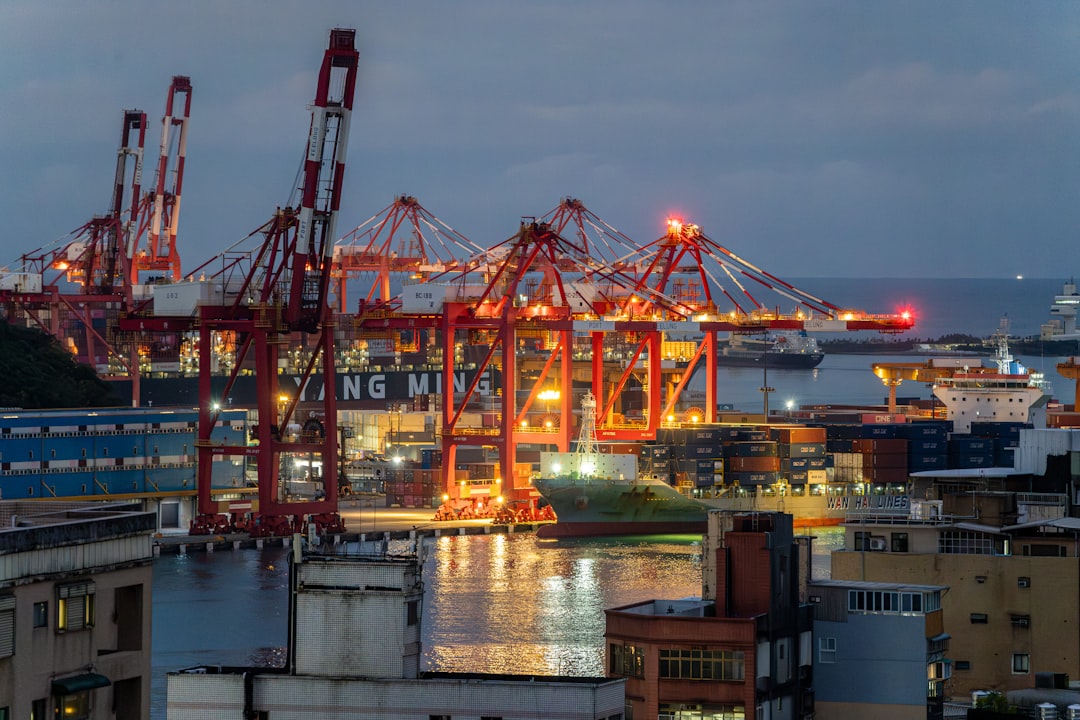
The importance of this topic cannot be overstated. As nations grapple with the consequences of sanctions, businesses must adapt to shifting trade relationships and supply chain vulnerabilities. The World Bank estimates that global trade growth could slow by 3% in 2023 due to these geopolitical tensions and the resulting economic fallout.
Context and Background
Economic sanctions have been a tool of foreign policy for decades, but their use has intensified in recent years. The U.S. Treasury Department’s Office of Foreign Assets Control (OFAC) has seen a surge in sanctions designations, particularly since the annexation of Crimea in 2014 and the subsequent geopolitical tensions. In 2021, the U.S. imposed sanctions on Chinese companies over human rights abuses, further complicating trade relations.
As nations grapple with the consequences of sanctions, businesses must adapt to shifting trade relationships and supply chain vulnerabilities.
Sanctions can take various forms, including asset freezes, trade restrictions, and financial penalties. The aim is often to pressure governments into changing their behavior without resorting to military intervention. However, the unintended consequences can be far-reaching, affecting not just targeted nations but also global supply chains and economic stability.
For instance, the sanctions against Russia have led to a significant rise in energy prices globally, impacting industries from manufacturing to transportation. The International Energy Agency reported that global oil prices surged by over 60% in 2022, reaching levels not seen since 2014, as countries scrambled to find alternative energy sources.
You may also like
 Government & Policy
SEBI Alerts Investors on Anonymous Tips, Finfluencers
Project Jagrook aims to combat the influence of anonymous financial advisors and so-called "finfluencers," who often provide misleading advice to unsuspecting retail investors.
Read More →Analysis of Perspectives
Experts offer varying perspectives on the effectiveness of economic sanctions. Some argue that sanctions can successfully alter a country’s behavior. A study by the Center for Strategic and International Studies found that sanctions were effective in 30% of cases studied, particularly when combined with diplomatic efforts.
However, others caution against the potential for sanctions to backfire. The Brookings Institution highlights that sanctions can entrench authoritarian regimes, as leaders may use external threats to consolidate power domestically. In Russia, for example, the government has leveraged sanctions to rally nationalistic sentiments, framing them as an attack on Russian sovereignty.
Moreover, the rise of alternative markets complicates the landscape. Countries like China and India have increased their economic ties with sanctioned nations, providing them with a lifeline. The Asia-Pacific region has seen a surge in trade with Russia, as these nations seek to fill the void left by Western companies exiting the market.
Forward-Looking Insights
As the global economy continues to navigate the complexities of economic sanctions, businesses must remain agile and informed. Companies are increasingly investing in risk assessment tools to identify vulnerabilities in their supply chains and to develop contingency plans. The use of technology, such as blockchain and AI, is becoming more prevalent in tracking and managing supply chain disruptions.
Some argue that sanctions can successfully alter a country’s behavior.
Furthermore, policymakers are recognizing the need for a more nuanced approach to sanctions. The European Union, for instance, is exploring targeted sanctions that minimize collateral damage to civilian populations while still applying pressure to governments. This shift could redefine how sanctions are implemented in the future, balancing diplomatic goals with economic realities.
You may also like
 Government & Policy
Pentagon Halts Anthropic AI Use After Blacklisting
The Pentagon has officially ceased using Anthropic's AI tools following the company's blacklisting due to national security concerns. This decision marks a significant shift in…
Read More →Ultimately, the landscape of global trade will continue to evolve in response to sanctions. Businesses that adapt quickly and strategically will not only survive but thrive in this new environment. As the world becomes increasingly interconnected, the ability to navigate these challenges will be paramount for future success.