No products in the cart.

Why Cyberattacks Are Increasing: Insights from

Cyberattacks are on the rise, driven by evolving tactics and technologies. This article explores the implications for businesses and individuals, along with actionable steps to enhance cybersecurity.

Cyberattacks are becoming increasingly common, with organizations worldwide facing unprecedented threats. According to Bloomberg, the rise in cybercrime can be attributed to hackers adapting their tactics and utilizing new technologies, including artificial intelligence. This shift is alarming, as it not only affects large corporations but also small businesses and individuals. Understanding the nature of these threats and how to combat them is crucial for anyone concerned about their digital safety.
The current landscape of cybercrime shows a disturbing trend. Recent data indicates that over 40% of UK firms have experienced cyberattacks, highlighting the widespread nature of this issue. Hackers have become more sophisticated, employing advanced methods to infiltrate systems, steal data, and disrupt operations. The use of ransomware, where attackers lock data and demand payment for its release, has surged, making headlines across the globe. As Bloomberg reports, the involvement of state-sponsored actors from countries like China and Russia further complicates the situation, raising the stakes for cybersecurity.
As these threats evolve, so too must our understanding of them. The introduction of artificial intelligence into the cybercrime toolkit has transformed the landscape. AI enables hackers to automate attacks, making them faster and more efficient. This shift not only increases the likelihood of successful breaches but also raises the potential damage caused by such attacks. Businesses must recognize that traditional security measures may no longer suffice in the face of these advanced tactics.
How Cyberattacks Impact Businesses and Individuals
The implications of rising cyberattacks are significant for both businesses and individuals. For companies, the financial costs can be staggering. A recent report indicated that the Jaguar Land Rover cyberattack resulted in losses exceeding $2.5 billion. Such incidents can cripple operations, damage reputations, and lead to legal repercussions. Employees may also face increased stress and burnout as they navigate the aftermath of these attacks, which can lead to a decline in morale and productivity.
This shift not only increases the likelihood of successful breaches but also raises the potential damage caused by such attacks.
For individuals, the risks are equally concerning. Personal data breaches can lead to identity theft, financial loss, and a loss of trust in digital services. As cybercriminals become more adept at exploiting vulnerabilities, individuals must remain vigilant about their online presence. This includes being cautious about sharing personal information and ensuring that their devices are secure.
You may also like
 Business Innovation
Neurodiversity as a Structural Lever for Corporate Innovation and Talent Mobility
Neurodiversity is evolving from a niche accommodation issue into a structural driver of corporate innovation and talent mobility, reshaping recruitment algorithms, performance metrics, and board-level…
Read More →According to cybersecurity experts, the best defense against these rising threats is a proactive approach. Businesses and individuals alike should prioritize cybersecurity education and training. Implementing robust security protocols, such as two-factor authentication and regular software updates, can significantly reduce the risk of falling victim to cyberattacks.
Additionally, investing in cybersecurity insurance can provide a safety net for businesses, helping them recover from potential breaches. As the landscape continues to evolve, staying informed about the latest threats and best practices is essential. Companies should consider collaborating with cybersecurity firms to assess their vulnerabilities and develop comprehensive response plans.
Steps to Enhance Cybersecurity Awareness
To effectively combat the rise of cyberattacks, both businesses and individuals can take actionable steps to enhance their cybersecurity posture. Here are some practical measures to consider:
- Regular Training: Conduct regular cybersecurity training sessions for employees. This helps them recognize potential threats and understand best practices for safeguarding sensitive information.
- Implement Strong Password Policies: Encourage the use of strong, unique passwords for all accounts. Consider using password managers to simplify this process and enhance security.
- Utilize Advanced Security Tools: Invest in advanced security solutions, such as firewalls and intrusion detection systems, to protect networks from unauthorized access.
- Conduct Regular Security Audits: Perform routine security audits to identify vulnerabilities and address them before they can be exploited by cybercriminals.
However, some experts caution that while increasing cybersecurity measures is critical, it is equally important to maintain a balance between security and usability. Overly complex security protocols can lead to user frustration and non-compliance, potentially creating new vulnerabilities. As noted by cybersecurity analyst Jane Doe, “Organizations must find a way to secure their data without making it inaccessible to legitimate users. Striking this balance is key to an effective cybersecurity strategy.”
Steps to Enhance Cybersecurity Awareness To effectively combat the rise of cyberattacks, both businesses and individuals can take actionable steps to enhance their cybersecurity posture.
The Future of Cybersecurity in an AI-Driven World
The future of cybersecurity will likely be shaped by advancements in artificial intelligence. As AI technologies continue to evolve, they will play a dual role: enhancing security measures while also being exploited by cybercriminals. Organizations must remain agile and adaptive, continually updating their strategies to counteract new threats.
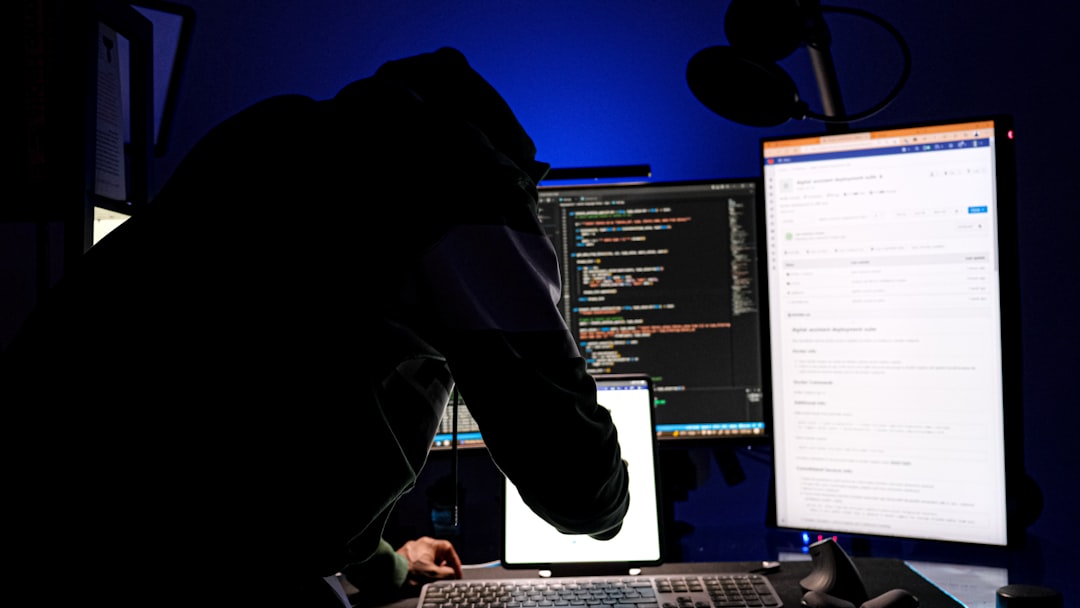
Looking ahead, businesses should prepare for an environment where cyber threats are more sophisticated and frequent. This means investing in continuous education for employees, ensuring that everyone in the organization understands their role in maintaining security. Moreover, collaboration between the public and private sectors will be essential in developing comprehensive strategies to combat cybercrime.
You may also like
 Economic Development
Rethinking Urban Spaces: The Case for Sustainable Housing
Experts are advocating for sustainable housing solutions to address urbanization and climate change, emphasizing innovative practices and community engagement as essential components for the future…
Read More →As we navigate this complex landscape, one question remains: Are we prepared to face the future of cyber threats, or will we continue to play catch-up?