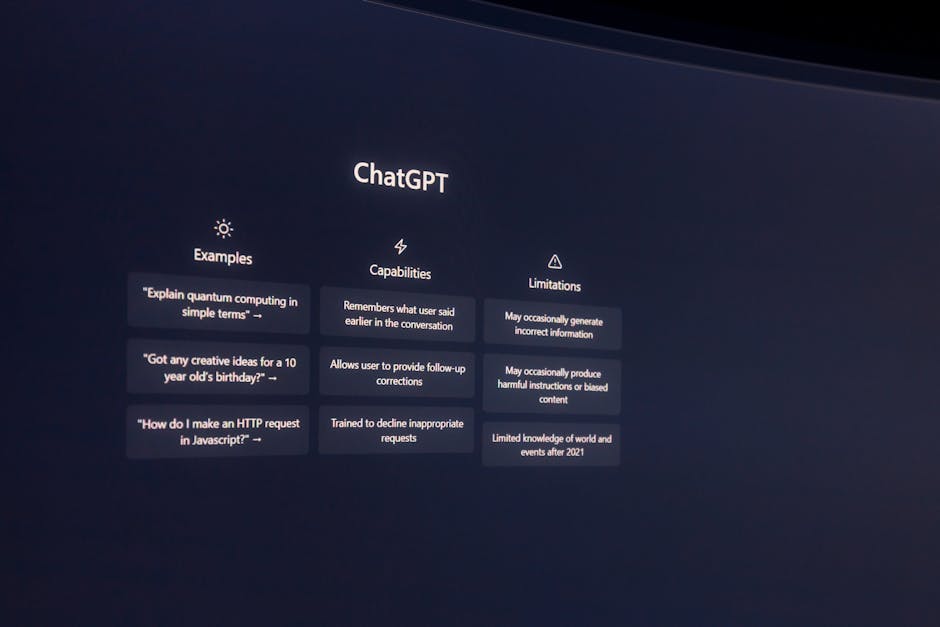
OpenAI's contract with the Pentagon has ignited a user boycott, raising ethical questions about AI in military applications and prompting a shift towards alternatives like Claude.
User Backlash: OpenAI’s Pentagon Deal Sparks Outrage
OpenAI’s contract to provide generative AI models to the U.S. Department of Defense has triggered significant backlash from its user base. A boycott site quickly emerged, stating, “ChatGPT takes Trump’s killer robot deal. It’s time to quit,” claiming that 2.5 million users have pledged to leave the service. This movement is organized through forums and social media, urging people globally to stop using ChatGPT.
The boycott’s impact is reflected in rising app-uninstall rates reported by SensorTower, as noted by TechCrunch. While exact numbers are not disclosed, users are uninstalling the ChatGPT mobile app in record numbers, echoing sentiments shared on Reddit and X (formerly Twitter).
Social Media Outcry
Reddit threads like “Leaving ChatGPT for Claude” and posts on X criticizing OpenAI’s decision have gained thousands of upvotes. One Reddit user stated, “I’m switching to Claude. I don’t want to support a company that trades ethics for a fat contract.” Similar sentiments are prevalent on X, where hashtags like #BoycottChatGPT and #AIForPeace trend frequently. This discussion goes beyond brand loyalty; it highlights the expectation that AI companies should uphold ethical standards.
Anthropic’s Similar Challenge
The timing of OpenAI’s deal is significant. Defense Secretary Peter Hegseth recently labeled Anthropic a “supply-chain risk” after it declined a blanket Pentagon license. This contrast suggests that OpenAI’s agreement diverges from the cautious approach many in the industry have taken toward military contracts.
Implications for AI Ethics and Military Use
The controversy surrounding the Pentagon contract raises important questions about AI governance and the military-industrial complex.
This discussion goes beyond brand loyalty; it highlights the expectation that AI companies should uphold ethical standards.
Ethics of AI in Warfare
Researchers at the AI Now Institute warn that using AI in military projects poses serious risks, including targeting civilians. The main concern is not the technology itself, but how it is used. Integrating AI into classified defense projects raises issues of accountability, bias, and the risk of unintended escalation.
Growing Tech-Military Relationship
A report from the Center for Strategic and International Studies (CSIS) highlights concerns about the increasing ties between the military and tech industry. OpenAI’s deal represents a shift from civilian-focused research to a dual-use model where profit and national security intersect.
Topological materials are moving from theoretical curiosities to standardized platform technologies, driven by a $886 million defense commitment and a $1.4 trillion market outlook, reshaping industry structures…
Brookings scholars emphasize the need for a regulatory framework to govern AI in military projects, ensuring responsible and transparent use. Current U.S. export-control laws, like the International Traffic in Arms Regulations (ITAR), are outdated for modern software that can be rapidly replicated. This situation highlights the urgency of creating policies that balance innovation with safeguards against misuse.
Shifting User Preferences
In response to OpenAI’s ethical concerns, users are moving to platforms that promise greater transparency and less military involvement.
Need for Regulatory Oversight
Brookings scholars emphasize the need for a regulatory framework to govern AI in military projects, ensuring responsible and transparent use.
Claude’s Rising Popularity
Anthropic’s Claude, marketed as a “responsible AI” alternative, has seen a spike in sign-ups. The same Reddit user who switched to Claude cited the “fat contract” as a key reason, reflecting a growing trend where corporate responsibility influences user choices.
Increasing Interest in Open-Source Options
TechCrunch reports a surge in interest for open-source chatbots like Confer, Alpine, and Lumo. These platforms allow users to audit code and avoid the black-box nature of proprietary services, appealing to those seeking ethical alternatives and technical control.
Corporate Alternatives
Corporate competitors like Gemini (Google’s AI) and Claude are being recognized as “more transparent and responsible.” Bloomberg reports that businesses are considering these options not just for features but also for assurance against undisclosed defense contracts.
Looking Ahead
The OpenAI-Pentagon situation may mark a turning point for the AI industry. It highlights the tension between lucrative government contracts and the ethical expectations of users. As CSIS suggests, the approach to AI in defense must shift from ad-hoc agreements to structured discussions involving civil society, technologists, and policymakers.
Meanwhile, calls for a regulatory framework are gaining momentum in Congress, with bipartisan committees drafting legislation to oversee “high-risk AI” deployments, especially those related to national security. Whether these measures can keep pace with the rapid growth of AI remains uncertain.
The pressure from a connected, values-driven user base may become a key regulator of AI’s future, prompting companies to weigh the cost of contracts against the risk of losing public trust.
What is clear is that the market is responding. Users are leaving a platform they feel has compromised its ethical standards, potentially reshaping revenue streams and future partnerships. The pressure from a connected, values-driven user base may become a key regulator of AI’s future, prompting companies to weigh the cost of contracts against the risk of losing public trust.



 Business Innovation
Economic Development