

Data-driven brain training is turning vague career advice into measurable progress.
The Limitations of Traditional Career Coaching
Maya Patel, a 28-year-old software engineer, left a coaching session feeling more confused than clarified. She had taken personality quizzes and completed worksheets, but still couldn’t pinpoint the roles that would keep her engaged. This experience mirrors a broader pattern. A 2025 survey by the International Coaching Federation found that 62% of clients cited “lack of clear self-insight” as the main obstacle to career moves. Traditional coaches rely on interviews, assessments, and gut feeling, which are subjective and often miss hidden strengths or blind spots.
The Rise of Neurofeedback and Brain-Computer Interfaces
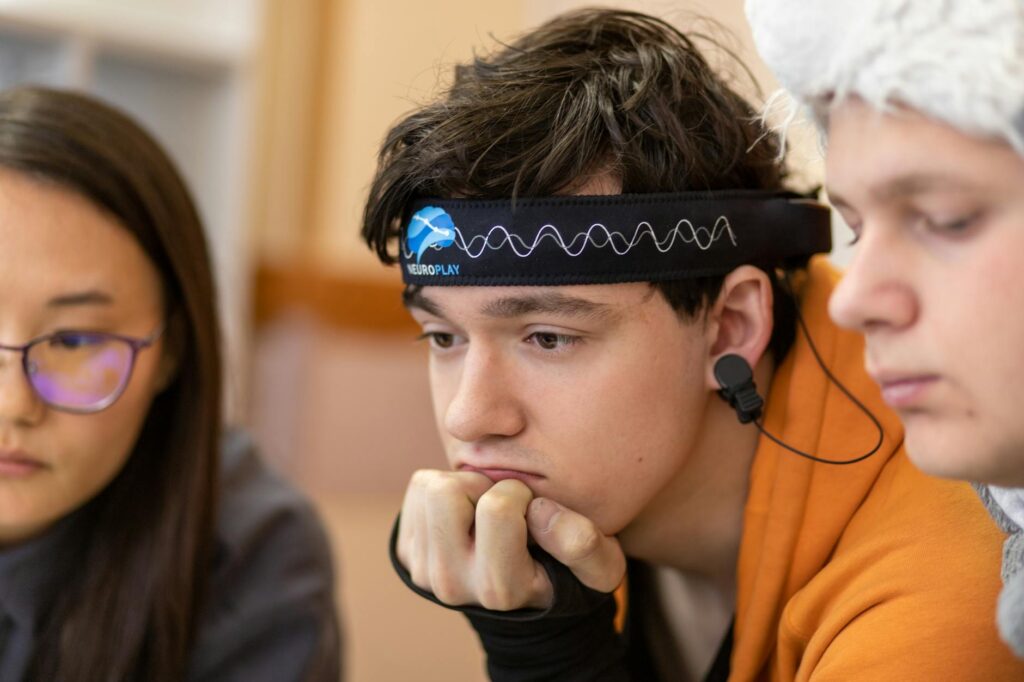
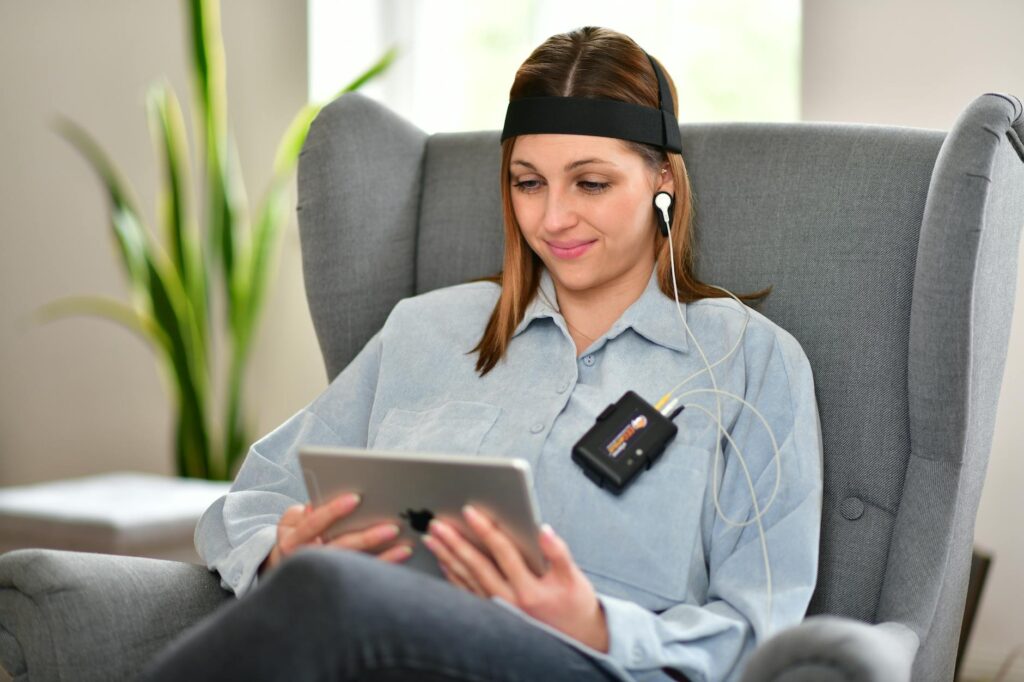
In March 2026, Deloitte’s leadership development unit launched a neurofeedback pilot for 120 high-potential managers. Participants wore EEG headsets that streamed real-time brain activity to an AI platform. The system identified moments of mental fatigue, focus lapses, and stress spikes, then suggested micro-breaks or mindset drills. Deloitte reported a 14% rise in project delivery speed among the cohort. Advances in brain-computer interfaces (BCIs) have made it possible for companies like Emotiv and NeuroSky to sell consumer-grade EEG devices that capture signals with clinical-level fidelity.
The Rise of Neurofeedback and Brain-Computer Interfaces Brain-Boosted Coaching: How Neurofeedback Is Redefining Career Growth In March 2026, Deloitte’s leadership development unit launched a neurofeedback pilot for 120 high-potential managers.
The Benefits of Neurofeedback
When neurofeedback aligns coaching with actual brain states, outcomes improve. Deloitte’s pilot showed higher job satisfaction scores and lower burnout rates. For individuals, precise feedback can reveal patterns of over-activation in the amygdala during high-stakes presentations, allowing them to practice targeted relaxation techniques. A 2024 study from the Harvard Business Review linked chronic stress—detectable via EEG—to a 30% increase in turnover intention. Companies that fail to adopt data-driven development risk losing top talent to rivals that offer smarter growth pathways.
The Challenges of Neurofeedback
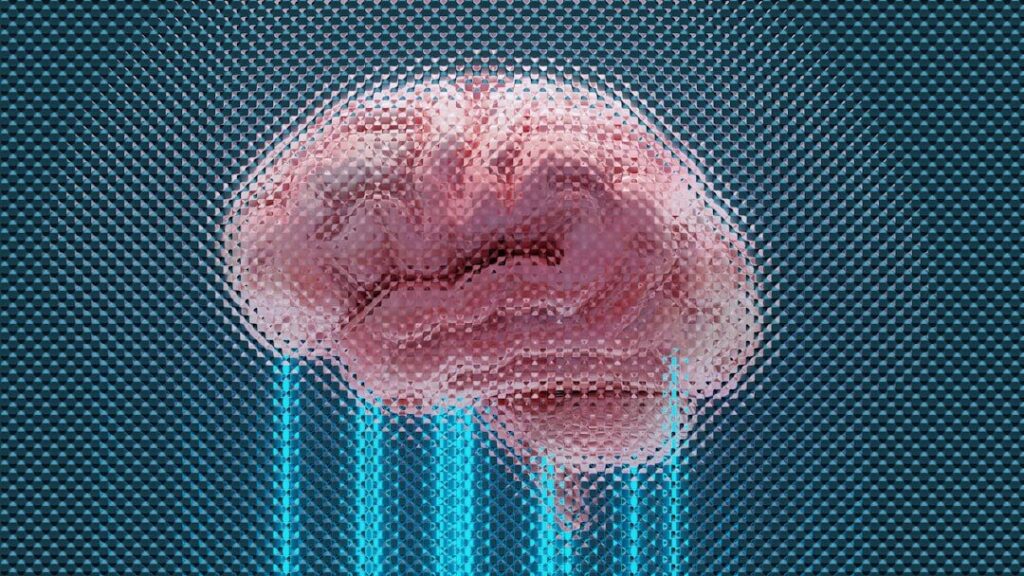
Critics warn that EEG readings can be noisy, especially in open-office settings, leading to false alerts. Privacy advocates also raise concerns about employers accessing employees’ neural data without clear consent. The field still wrestles with standardizing metrics and ensuring ethical use.
The Adoption of Neurofeedback
Early adopters are blending neurofeedback into existing coaching frameworks. Certified career coaches now offer “brain-state sessions” as part of a six-month program. Clients first undergo a baseline EEG assessment, then receive weekly check-ins where the AI highlights trends. Coaches use those trends to adjust goal-setting, recommend focus-training apps, or suggest role changes. Corporations are scaling the approach, with Siemens reporting a 12% boost in self-efficacy scores and a 9% drop in reported stress.
The Future of Neurofeedback
 Career Guidance
How to Switch Industries Mid-Career Without Starting Over
Bridge roles can reduce risk, while targeted skills and industry-specific applications help you make the case for a new field.
Read More →The trajectory points toward mainstream adoption. As device costs fall below $200 and cloud AI platforms become plug-and-play, even small firms can afford neurofeedback kits. Future iterations will likely merge with virtual reality, creating immersive simulations where users practice interview scenarios while the system fine-tunes attention networks on the fly. Regulation will shape the pace, with the European Union drafting a “Neuro-Data Protection Directive” that would require explicit consent for any brain-signal collection and mandate anonymization for analytics.
Written by Career Ahead AI. AI can make mistakes, so verify key facts. Report errors to support@careeraheadonline.com.





