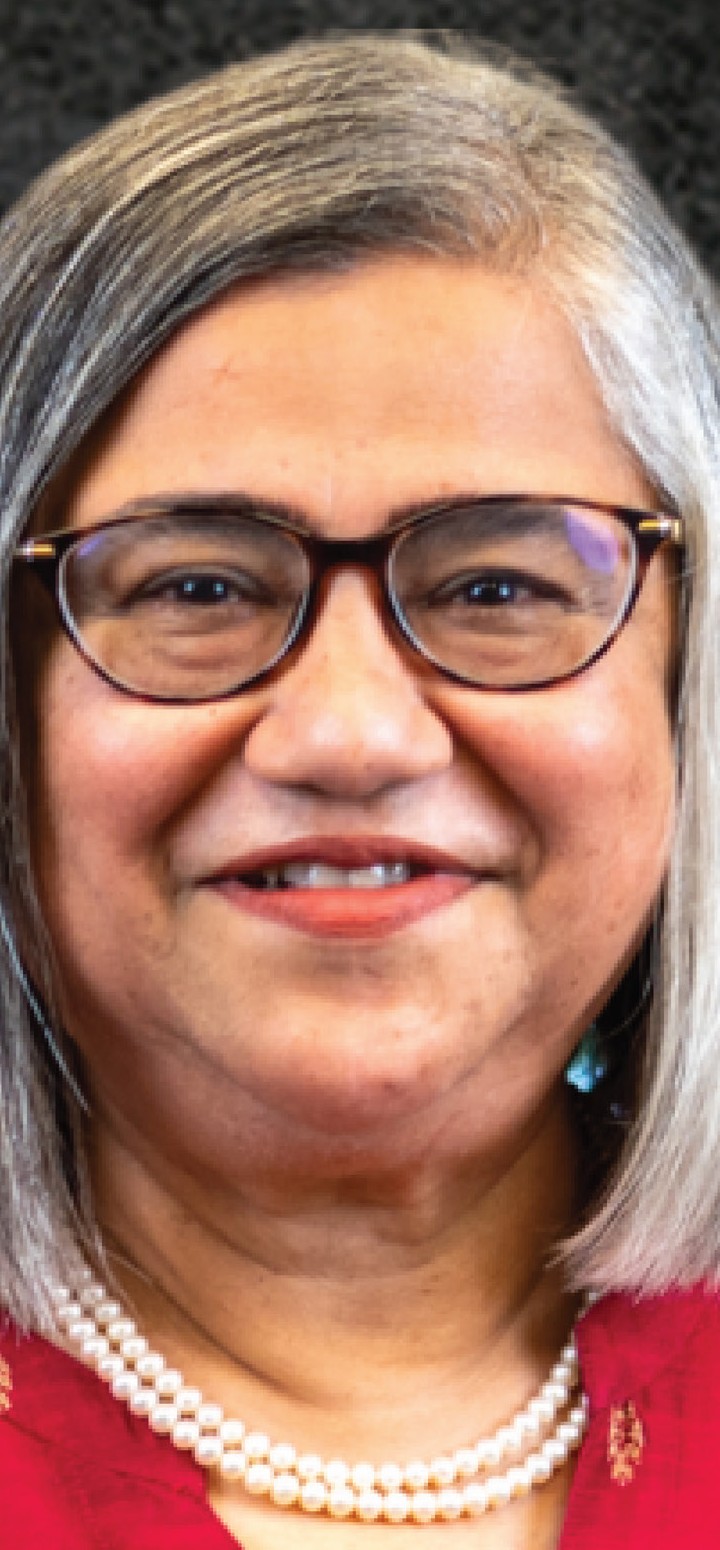
Early Years
I grew up in Assam and Meghalaya. Life was a slow and simple, close to nature, with very little exposure to business or city life. But one thing I absorbed very early was that it was important for women to work and be financially independent. This came from observing attitudes towards the few women professionals around me, they were taken more seriously.
In Meghalaya, which is a matrilineal society, women played a significant role in family, community, and business life. The prime minister of the country was a woman. These early influences quietly shaped me.
As a teenager, I trained myself by listening for hours on end to BBC radio news, improving vocabulary, accent, and awareness. In hindsight, the habit captures something I have carried through everything that followed: the willingness to prepare for a world you haven’t seen yet.
The IIM Years
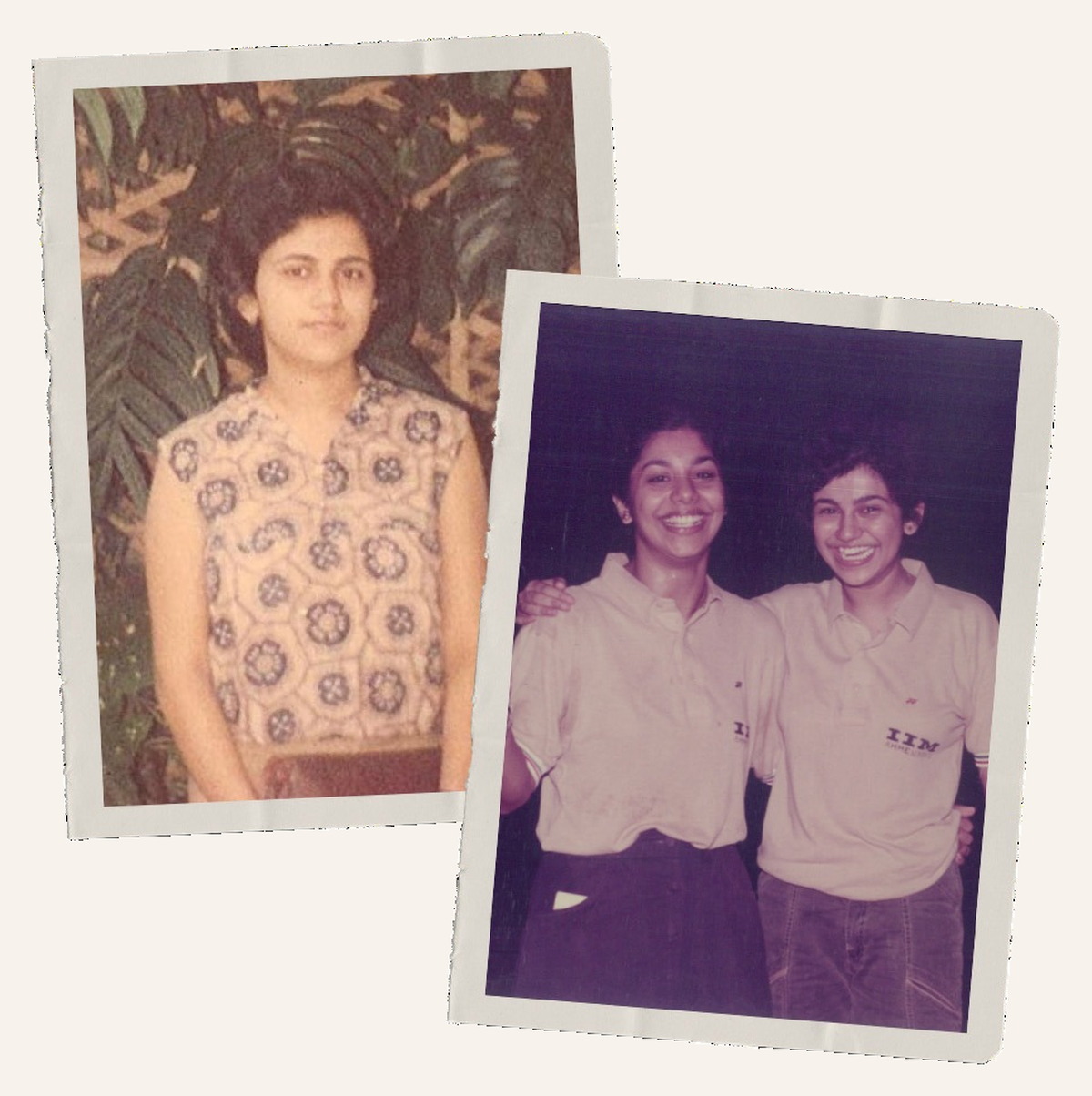
As I was reaching the end of my graduation at Cotton College, Guwahati, I didn’t have a clear plan for ‘what next’. Nor was I very clear about wanting to go to business school. But then I heard of IIM Ahmedabad (IIMA) as being one of the best institutes in the country, and that pushed me to take the CAT. It was a leap into the unknown, there wasn’t even an interview centre in Assam at the time. It needed a 24-hour train journey to Calcutta just to appear for the interview. Since there were 3 IIMs, I made two trips for the interviews.
The first time I got into IIM Ahmedabad, I couldn’t join. My college graduation exams were delayed because of the students’ agitation in Assam, and IIM-A wouldn’t defer my admission. That meant taking the CAT all over again, luckily, I made it the second time as well.
In the meantime, a family friend who ran a primary school near my home suggested I help her out as a teacher. That’s when I became a teacher by accident, and I found myself in front of 60 four-year-olds, all packed into one classroom. The sheer cacophony was overwhelming at first. For a moment, I wondered if this was tougher than the CAT exam! But eventually I got the hang of it.
The children were innocent and full of energy, so it was a joyful, though chaotic, ambience. That short stint gave me deep respect for teachers. It also taught me to keep communication simple and to explain things in ways I never had to before. Looking back, it wasn’t an experience I would ever have planned for, but it enriched me.
Sometimes, not having a plan exposes you to opportunities that shape your growth and broaden your perspective in unexpected ways.
When I eventually made it to IIM-A, what stayed with me most wasn’t the content of the courses, but the way of thinking the institute instilled. The pedagogy forced you to think in a structured way and to develop a first-principles approach.
That combination, clear and simple communication that came from the school teaching experience and the structured thinking that I learnt at IIM-A, shaped the professional I became later.
Working in the Pre-liberalization Era
I couldn’t have asked for a better grounding when I started my career in project finance in IDBI (which was then a development bank) in the mid-1980s. We were underwriting large industrial projects across the country, and that meant innumerable factory visits, to steel plants, cement units, sugar mills. It was a masterclass in understanding manufacturing on the ground, seeing what it really takes to implement projects, and at the same time honing the basics of business and financial analysis.
It was also just before liberalization, so I saw up close how controls shaped everything. From the license to operate, to the capacity a plant could set up, to the pricing of IPOs, even the interest rates on loans, every single lever was decided by the government. Companies often had ambition and talent, but they were boxed in by these controls. Later, when reforms came in 1991, I could connect the dots and appreciate how much those changes mattered.
There was a third aspect: I was often the only woman around. In project finance underwriting, women were rare. Factory inspections had no restrooms for us. It was uncomfortable at times, but it also taught me to hold my ground. It was these early years that gave me technical skills, resilience, and perspective, and they became the foundation I built on later in my career.
The Crisil Journey
A few years later, I walked into Crisil’s office, without an appointment, and that unplanned visit turned into a 23-year journey.
Crisil, in its early years, was infused with a real pioneering spirit and the energy that comes when charismatic leadership sets the tone. It was very different from most Indian companies of that era. Until then, most businesses were promoter-centric. But Crisil was unusual, it had no dominant owner and was run entirely by a professional team. That gave it a unique culture from the start.
At first, nobody wanted anything but the top rating, which was AAA+. So it was a huge thrill when one of the Tata companies published an AA+ rating, along with an ad that said, ‘Thank you, Crisil, for showing us we can do better.’ That was a breakthrough moment.
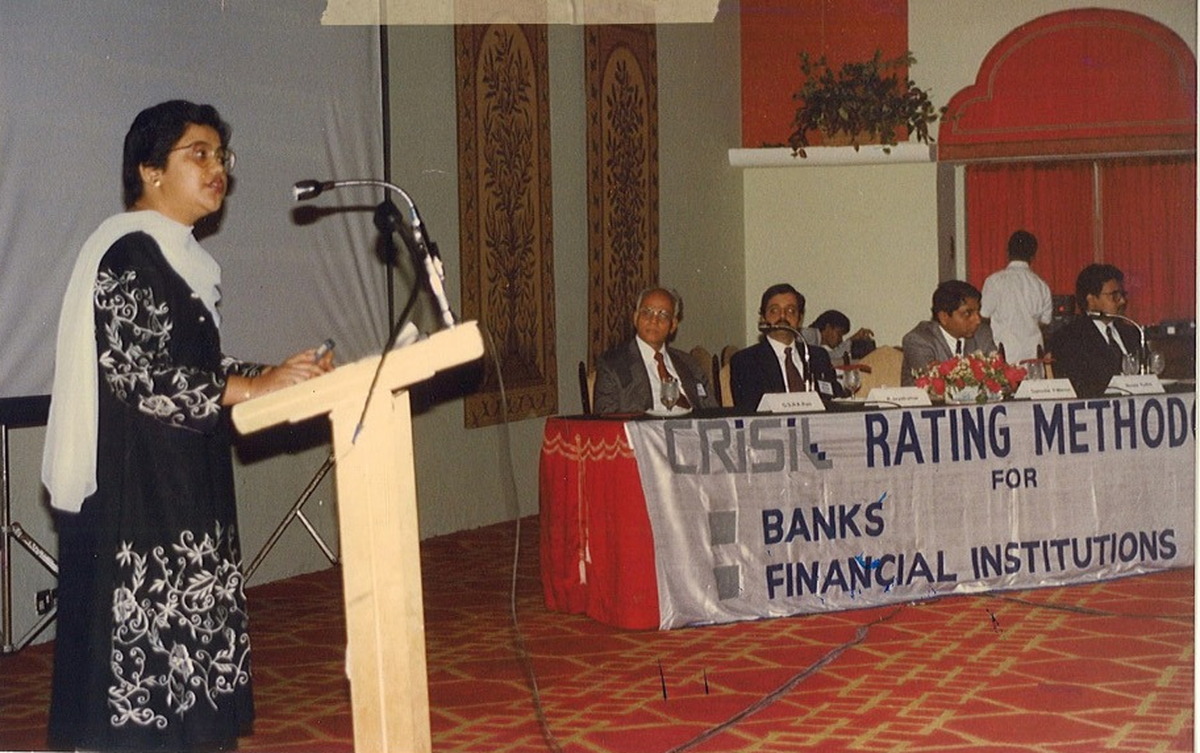
The culture we built was just as pioneering. Rating committees were open to anyone in the organization, which was revolutionary for those times. We believed in humility, if we were rating a company, we visited their offices rather than asking them to come to ours. Ethics were non-negotiable: two people in every meeting, and strict checks on conflicts of interest. These small things shaped the culture of the company.
One of the toughest calls we made at Crisil was downgrading 18 NBFCs in a single day. It shook the markets, which were seeing downgrades for the first time, but it reinforced my conviction that boards must back management when they do the right thing, even if it is unpopular. It taught me then that there will always be people unhappy with decisions, but if you communicate the why behind a decision, they may not agree, but they will respect you for it.
A few years after I joined, I heard conversations about ‘making markets function better’ being our purpose. It struck me deeply. Until then, I’d thought of our work, ratings, analytics, research, as technical. Suddenly I saw it differently: that what we were doing was building trust in markets, enabling transparency, helping capital flow more efficiently. It connected my daily work to something much larger. That alignment between what the organization stood for and what mattered to me personally gave me a sense of purpose and deeply influenced the way I led.
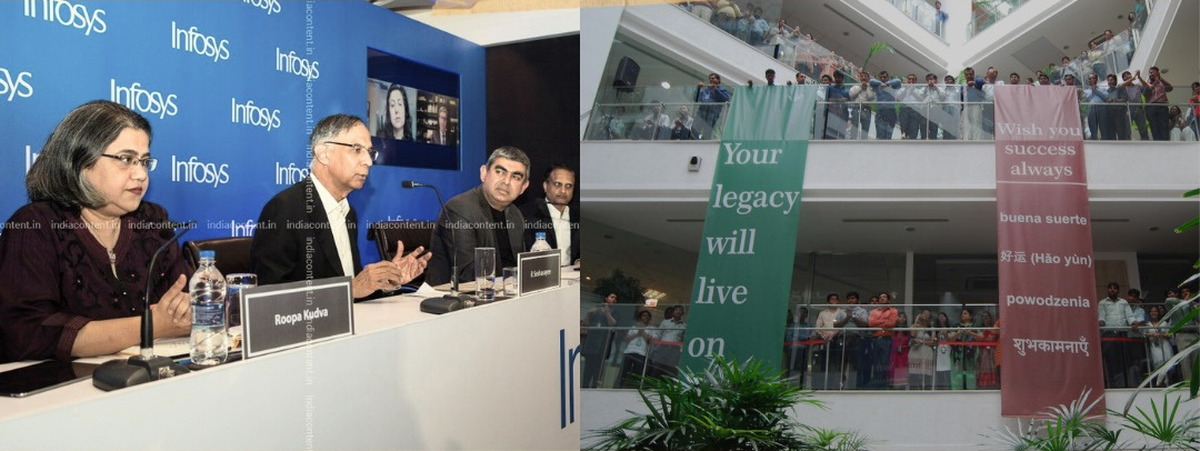
I was Crisil’s third CEO, taking charge when diversification beyond ratings and global expansion had already begun. My focus was to accelerate this diversification, ensuring ratings remained uncompromising by reducing financial dependence on ratings revenues. The global financial crisis was a defining moment for rating agencies, and I prioritised investor engagement, transparency, and trust. I was fortunate to work with a passionate leadership team and a values-driven board that focused on doing the right things rather than tracking share price. Honest dialogue with the board helped both me and the company grow. During my tenure, revenues tripled, and market capitalization quadrupled.
The Crisil platform let me observe many successful leaders. I learnt that the higher you rise, the more vital it is to stay grounded. Success can be intoxicating, and it’s easy to believe achievements are entirely your own, without acknowledging the people, teams, and circumstances that enabled them. That’s when blind spots and a sense of infallibility emerge. The air in the room changes: people hesitate to share honest feedback, unsure how it will be received. Fewer challenge you, more echo what they think you want to hear. Without that reality check, decisions risk being made in a bubble, missing critical details and consequences.
Reinvention in Impact Investing
The shift from Crisil to Omidyar Network happened after I had crossed 50, and it came out of a desire for completely new experiences. I had already been CEO of Crisil for almost eight years. Looking ahead, I realized that if I stayed on until the official retirement age, I would end up being CEO for 17 years. That didn’t feel right, for the company or for me. So I decided it was time to move on, even though I had no idea what the ‘next chapter’ would look like.
Then, just before Christmas in 2014, I got a call from California. It was from an organization I had never heard of, Omidyar Network. I noticed something unusual on their website: everyone had a bio of the same length. From the person who made tea in the pantry to the head of the firm, they all had equal space. That felt truly unique, and those values were compelling as I made my decision to join Omidyar Network India and jump into the world of tech, startups, and impact investing.
What made it deeply meaningful was the “Next Half Billion.” Understanding their digital journeys and their aspirations and challenges was a steep learning curve. It changed my lens on inclusion and on how technology can expand opportunity. Over time, it was also thrilling to see that many of the entrepreneurs we backed were solving problems and addressing barriers they’d personally experienced, language, access, affordability.
The mindset shift was profound. As a CEO, you lead from the front. As an investor, your job is to create the conditions for others to lead. That required humility, patience, and a big adjustment of ego, from being the person with answers to being the person who backs people with answers.
I was over 50, I’d spent 23 years at Crisil, and from leading thousands of people at Crisil, I moved to a 30-person team at ONI. At Crisil, I had five people just in my office; at ONI, I sat in an open-plan workspace with no assistant. Credibility had to be earned afresh with twenty-something colleagues and founders. I was often older than the parents of my colleagues!
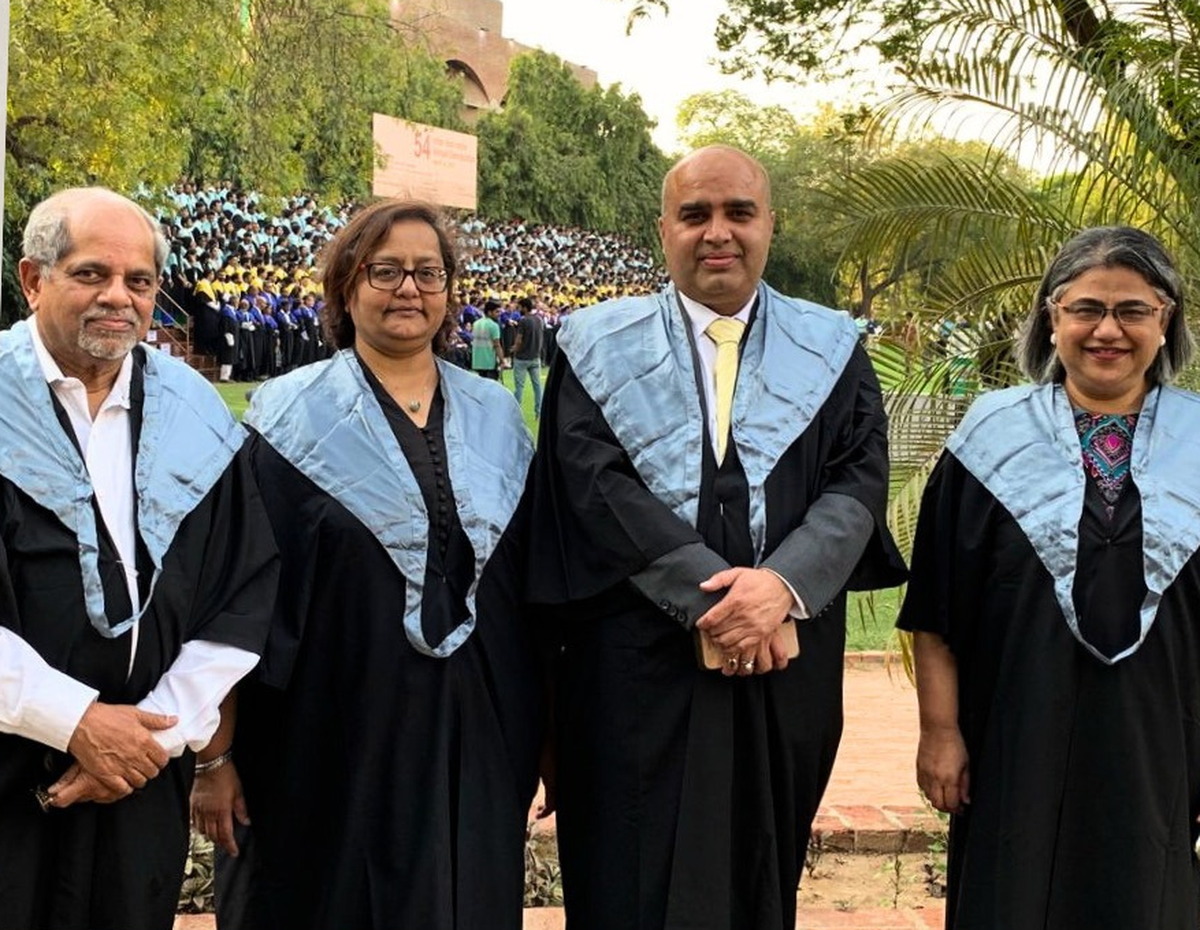
It was then that I decided to shift my leadership style. Instead of directing, I focused on inspiration and trust. For example, I’d step back and not meet entrepreneurs before our investment committee, so the team knew I trusted them. My preparation shifted to asking sharp questions that stretched the thinking. The continuity from Crisil was judgment. But I had to learn a lot, and not just about tech and the world of startups. I had to shift my mindset to think more about the possibilities than the downsides.
What the Journey has Taught Me
Looking back over the years, from the nursery classroom to the factory floors in the ’80s, to pioneering the new concept of ratings at Crisil to impact investing with the Next Half Billion, and the trade-offs I’ve seen in boardrooms, I’ve realized that leadership isn’t neat. Yet too often, it gets reduced to neat frameworks like ‘seven steps’ or ‘five habits’ as if following that one framework will solve all the problems. In reality, leadership is messy, contextual, and deeply personal. It’s shaped by who you are, the choices you make, and the values you stand by.
I’ve also seen that leadership is not sector-specific. Each of these worlds has its own language and rhythm, but what binds them is the same: clarity, trust, and the ability to bring people together around a shared purpose.
As you rise in your career, breadth matters. Deep expertise gets you noticed early, but leadership really begins when you develop range, when you can connect dots across functions, see patterns, and operate at the right altitude.
And finally, I’ve seen that the leadership journey is personal. There is no single right way to lead. Your leadership is shaped by your temperament, your values, and the situations you face. The question isn’t ‘What’s the best leadership style?’, it’s ‘What does this situation need from me as a leader right now?’
On turning 60, I stepped down from ONI and my board roles. This was part of my quest for new experiences. After decades of structured roles, this phase is about freedom, writing, mentoring, reading, walking, and spending time with friends and family. I’ve often said a job must not define your entire identity. I’m now consciously building an identity that is not centered on work.

My book happened almost by accident. Someone asked me to co-author a book. I didn’t want that commitment, and someone else said, ‘If you want to write a book, write your own.’ I gave it a shot, and only after finishing a full manuscript did I approach Penguin. The book, Leadership Beyond the Playbook, is a companion, not a framework. No formulas or slogans, just stories and tools to help readers craft their own paths.
At its heart, the book gives you the confidence to stop copying someone else’s playbook, and to write your own. And that, for me, is the most authentic way to lead, by staying curious, by staying reflective, and by staying flexible.
Finally
You don’t need a master plan, you need clarity in the moment you’re in.
I didn’t set out with a great plan. I took a 24-hour train journey for my IIM-A interview, I walked into Crisil’s office without an appointment, I said yes to jumping into impact investing, and I wrote a book, all of it because it seemed like the right next step. The thread running through it all was building institutions and supporting others to succeed, and I only recognized that thread clearly when I looked back.
You don’t build a career by following a plan, you build it by trusting the next step before you understand the full path.
Updates since print
This essay first appeared in the April 2026 issue of Career Ahead Magazine. As of 23 November 2026, no material correction to the personal narrative was required. The author’s description of Leadership Beyond the Playbook (Penguin) as a national bestseller is left as printed in April 2026.
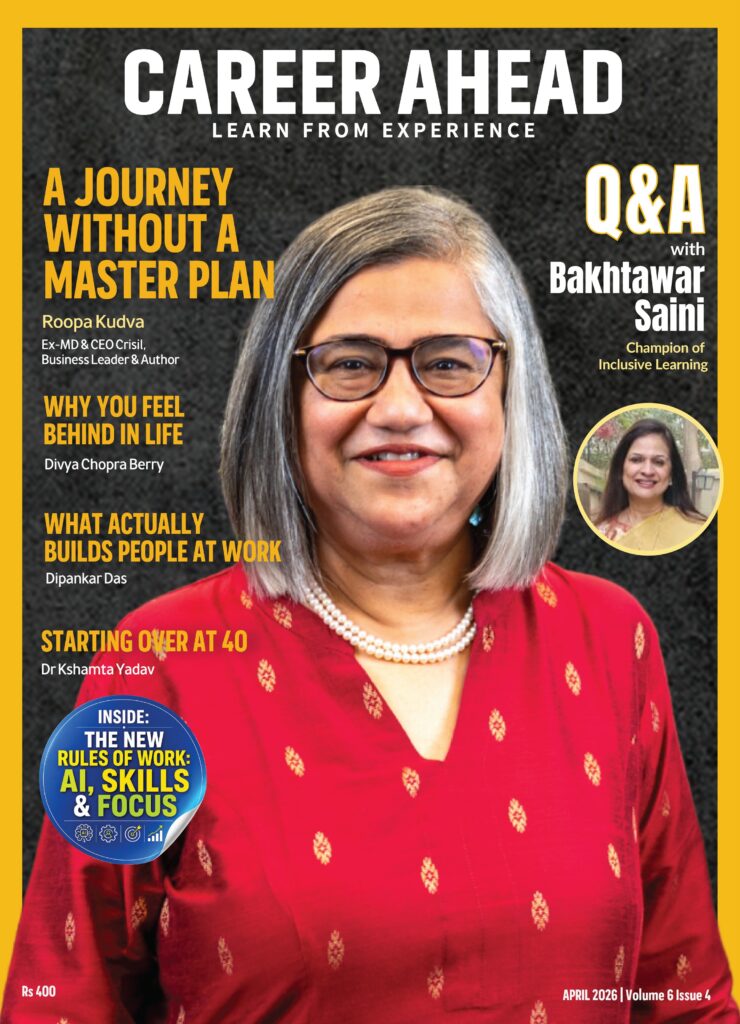
Read this in the magazine
This article first appeared in Career Ahead Magazine, April 2026 issue, page 9.
Read this article in the April 2026 issue (pages 9 to 14) · See everything in the April 2026 issue