No products in the cart.

A look back at Dharmendra Pradhan's journey
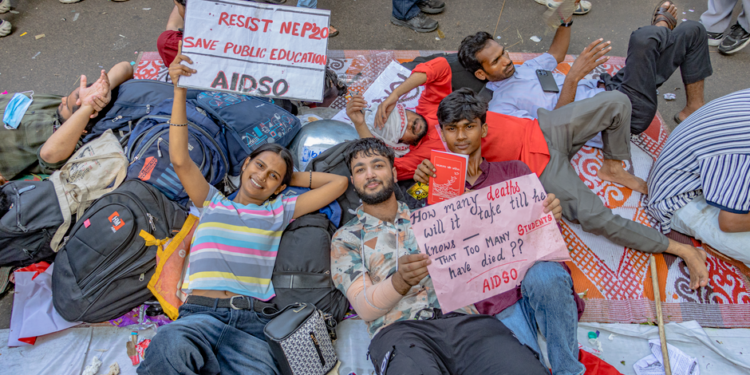
Dharmendra Pradhan's resignation as Education Minister amid NEET protests marks a significant shift in India's educational governance, highlighting the urgent need for reform and accountability in the sector.

India’s Education Minister Dharmendra Pradhan resigned on July 25, 2026, amid escalating protests regarding the National Eligibility cum Entrance Test (NEET). This resignation follows weeks of demonstrations led by the youth-led Cockroach Janta Party (CJP), addressing issues of alleged paper leaks and systemic irregularities within the examination process.
Pradhan’s departure marks a pivotal moment in India’s educational governance, as it highlights the growing demands for accountability and reform in the education sector. His tenure was characterized by significant policy initiatives, but it also faced intense scrutiny from students and activists concerned about the integrity of the examination system. According to the Economic Times, Pradhan’s resignation is a response to mounting public outrage and student demonstrations, reflecting a broader crisis in educational governance.
Shift in NEET Examination Policies
Pradhan’s resignation could lead to substantial changes in NEET examination policies. The CJP’s protests have brought to light numerous concerns about the examination’s transparency and fairness, issues that have been simmering for years. The movement gained momentum with mass demonstrations in Delhi, where students expressed their frustration over the perceived lack of accountability in the examination process. The protests were not merely localized events; they resonated across various states, indicating a nationwide demand for reform.
As Pradhan steps down, the new appointee will likely face immediate pressure to address these concerns. Career Ahead’s analysis indicates that the incoming minister may prioritize reforms aimed at enhancing the integrity of the NEET examination. This may include stricter oversight measures, improved transparency in the examination process, and mechanisms to address grievances more efficiently. The BBC reports that the protests have galvanized a generation of students who are increasingly unwilling to accept systemic flaws in the educational framework, suggesting that any new policies will need to be robust and responsive to these demands.
Furthermore, the scrutiny surrounding NEET has implications beyond immediate policy changes. It signals a growing recognition among policymakers of the need to engage with student voices and incorporate their feedback into the governance of educational institutions. This shift could lead to more inclusive decision-making processes, fostering a sense of ownership among students regarding their educational journeys. The recent upheaval suggests that the current framework may require reevaluation, as the new minister will face the challenge of balancing innovative approaches with the pressing need for accountability and responsiveness to student concerns.
The BBC reports that the protests have galvanized a generation of students who are increasingly unwilling to accept systemic flaws in the educational framework, suggesting that any new policies will need to be robust and responsive to these demands.
Career Ahead research identifies that the recent protests and Pradhan’s subsequent resignation reflect a broader trend towards demanding accountability in educational governance. This movement is not just about NEET; it represents a call for systemic change in how educational institutions operate and are held accountable to the public. The resignation underscores the intense political pressure surrounding institutional accountability in national competitive examinations, as noted by the Economic Times.
Changes in Ministerial Oversight of Educational Institutions
Pradhan’s exit from the Education Ministry raises questions about the future of ministerial oversight in India’s educational institutions. His tenure saw significant initiatives aimed at modernizing the education system, including the implementation of the National Education Policy (NEP) 2020, which emphasized multidisciplinary learning and vocational training. However, the recent upheaval suggests that the current framework may require reevaluation. The new minister will face the challenge of balancing the innovative approaches introduced under Pradhan with the pressing need for accountability and responsiveness to student concerns.
Moreover, the new leadership will need to address the systemic issues that led to the protests. This includes not only tackling the immediate concerns surrounding NEET but also examining the broader educational landscape for vulnerabilities that may compromise student experiences. The focus on accountability could lead to more rigorous assessments of educational institutions and their adherence to established standards. As the education sector undergoes these changes, Career Ahead analysis finds that there is an opportunity for greater collaboration between educational authorities and student organizations. By fostering dialogue and engagement, the new minister can work towards rebuilding trust and ensuring that students feel heard in the decision-making process.
In light of these developments, the new minister may consider implementing reforms that facilitate better communication between students and educational authorities. This could involve creating formal channels for students to voice their concerns and participate in discussions about educational policies. Such initiatives can help mitigate tensions and prevent protests from escalating in the future. The resignation of Pradhan also highlights the need for improved mechanisms to address student protests and grievances. The CJP’s mobilization reflects a growing trend of youth activism in India, where students are increasingly vocal about their rights and expectations from the education system.

Ultimately, the changes in response mechanisms may also reflect a broader societal shift towards recognizing the importance of youth engagement in governance. As students continue to assert their rights and demand accountability, educational institutions may need to adapt to this new reality, ensuring that their policies align with the expectations of the younger generation. As India moves forward in this evolving educational landscape, the impact of Pradhan’s resignation will be closely watched. Stakeholders across the education sector will be keen to see how the new leadership addresses the challenges ahead and whether it can foster a more accountable and responsive educational system.
As the education sector undergoes these changes, Career Ahead analysis finds that there is an opportunity for greater collaboration between educational authorities and student organizations.
Frequently Asked Questions
What are the implications of Pradhan’s resignation for education policy analysts?
Pradhan’s resignation signifies a crucial moment for education policy analysts, as it opens the door for potential reforms in NEET examination policies and greater accountability in educational governance. Analysts will need to monitor the new minister’s approach to addressing student concerns and implementing necessary changes.
How might higher education administrators prepare for changes in governance?
Higher education administrators should be proactive in anticipating shifts in governance and policy frameworks following Pradhan’s resignation. This may involve reassessing their institutions’ compliance with existing policies and preparing for potential changes in examination oversight and student engagement practices.

What should education policy analysts do about the protests surrounding NEET examinations?
Education policy analysts should closely analyze the protests and their underlying causes to inform future policy recommendations. Engaging with student organizations and understanding their perspectives will be crucial for developing effective strategies to enhance accountability and transparency in the examination process.
Related Articles
- Centre Prioritizes Relief for Victims’ Families
Written by Career Ahead AI. AI can make mistakes, so verify key facts. Report errors to support@careeraheadonline.com.