
Varda and United Therapeutics: A New Era in Drug Manufacturing
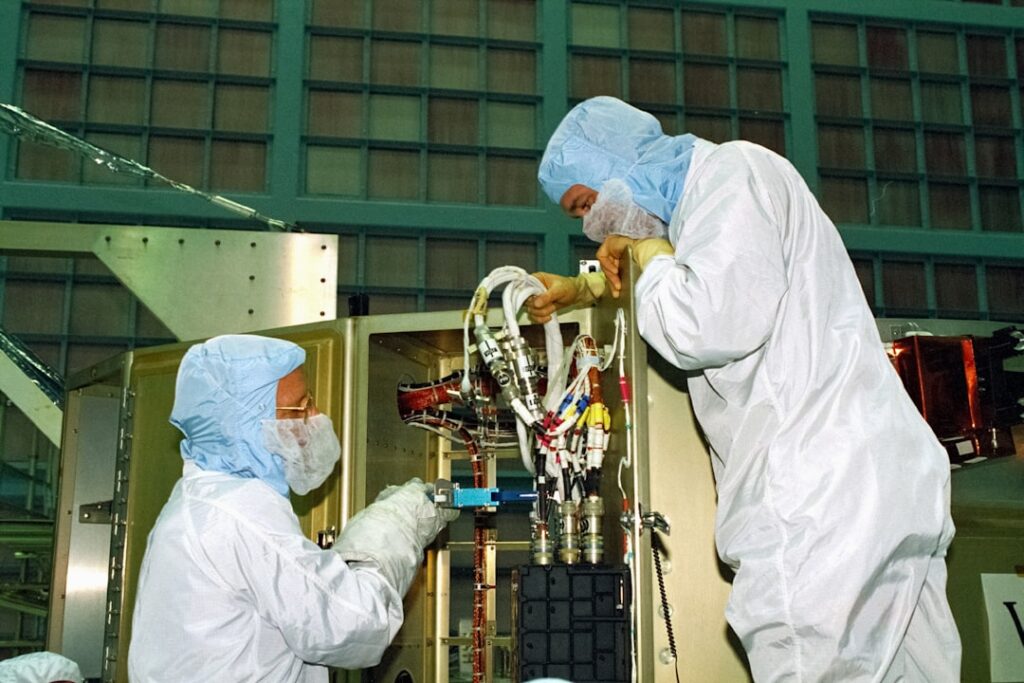
Varda Space Industries has partnered with United Therapeutics to explore the groundbreaking concept of drug manufacturing in space. This collaboration signifies a major shift in pharmaceutical production, utilizing the unique conditions of microgravity to potentially redefine how medications are formulated and produced.
The initiative aims to address longstanding challenges in drug formulation. By leveraging the microgravity environment, Varda seeks to create novel crystal forms of drugs that may not be achievable on Earth. This innovation could lead to more effective and stable medications, ultimately benefiting patients globally.
The Science of Microgravity: Unlocking New Possibilities
The scientific basis for this initiative lies in the distinct properties of materials in microgravity. Chemical reactions can yield different results in space compared to Earth, particularly in how crystals form. Varda’s approach could enable the development of polymorphs—different crystal forms of the same drug molecule—exhibiting enhanced stability and solubility, which are crucial for drug efficacy.
Previous experiments, such as those conducted by Merck aboard the International Space Station, have shown promising results, revealing that certain drugs crystallized differently in space. Varda’s initiative builds on this foundational work, aiming to establish a repeatable process for producing novel molecules in microgravity.
Market Potential: Space-Based Drug Manufacturing The partnership between Varda and United Therapeutics is not solely a scientific endeavor; it represents a strategic business opportunity.
Market Potential: Space-Based Drug Manufacturing
The partnership between Varda and United Therapeutics is not solely a scientific endeavor; it represents a strategic business opportunity. The pharmaceutical industry faces constant pressure to innovate and extend the lifecycle of existing drugs. By exploring new production methods, companies can create improved formulations that maintain their competitive edge.
As the cost of space travel decreases due to advancements in rocket technology, the feasibility of sending raw materials into orbit becomes more realistic. This shift could attract more pharmaceutical companies to invest in space-based production, further driving innovation in the sector.
Challenges and Considerations: Navigating the Unknown
Despite the excitement surrounding orbital drug manufacturing, significant challenges remain. Critics question the economic viability of space-based production, citing the high costs associated with launching materials into orbit as a substantial barrier. Additionally, the regulatory landscape for pharmaceuticals produced in space is largely undefined, necessitating collaboration with government agencies and international bodies to address safety, efficacy, and quality control concerns.
There is skepticism about whether the benefits of space manufacturing will outweigh the costs, highlighting the need for rigorous testing and validation of claims made by companies like Varda and United Therapeutics.

Looking Forward: The Future of Pharmaceuticals in Space
The future of drug manufacturing in space appears promising yet uncertain. As Varda and United Therapeutics prepare for their orbital experiments, the industry will be closely monitoring their progress. Success in these initial tests could pave the way for broader adoption of space-based drug production.
 Entrepreneurship & Business
Use a Business Loan to Fix Cash Flow: Five Decisions
Cash flow is the top challenge for half of small firms. Here is how to choose a loan that fits.
Read More →Looking Forward: The Future of Pharmaceuticals in Space The future of drug manufacturing in space appears promising yet uncertain.
If successful, Varda’s initiative could lead to a paradigm shift in the pharmaceutical industry, enhancing drug formulations and creating a new market for space-based products. This could attract investment and drive further innovation in both the space and pharmaceutical sectors.
Sources:MIT Technology Review, Onmine, Daily Dev, The Coders Blog
Written by Career Ahead AI. AI can make mistakes, so verify key facts. Report errors to support@careeraheadonline.com.