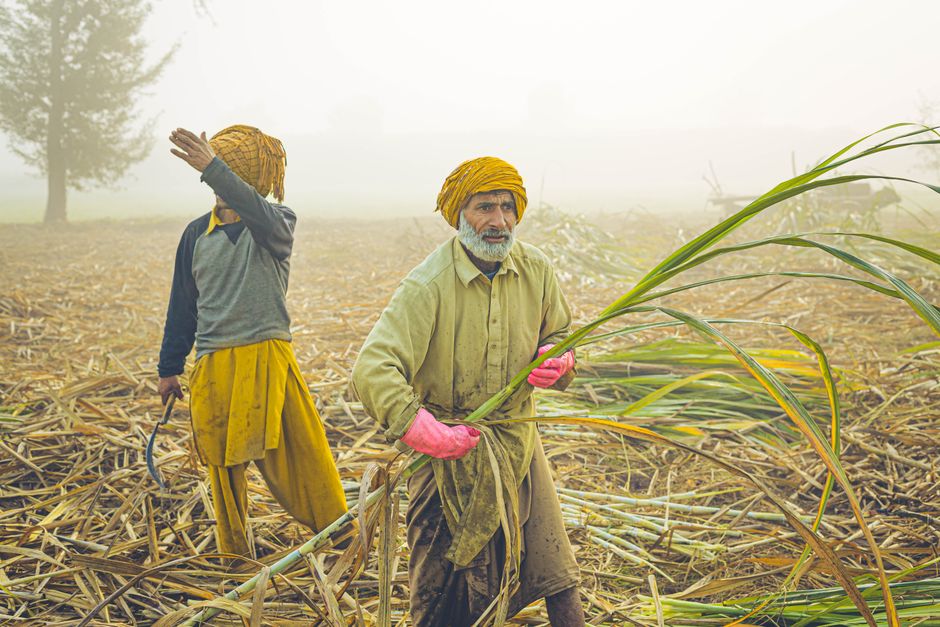
Small farmers express frustration over recent USDA funding cuts, particularly the cancellation of a $2.5 million grant for the Iowa Valley Resource Conservation and Development program, which has vital implications for their livelihoods.
Small farmers across the United States are expressing deep frustration as the Trump administration implements significant cuts to the U.S. Department of Agriculture (USDA). This trend, which began in early July 2026, is particularly impactful in agricultural states like Iowa, where farming is a cornerstone of the economy.
One of the most notable decisions was the cancellation of a $2.5 million grant for the Iowa Valley Resource Conservation and Development (RC&D) program. This program has been crucial in providing essential support for new farmers, and many local producers have described the decision as a “slap in the face.” The cuts not only threaten their financial stability but also undermine efforts to promote diversity and equity in agriculture, which are key components of the current administration’s agricultural policy. According to reports from The Guardian, local farmers are concerned that these funding cuts could jeopardize their roles in local food systems.
For instance, Lawrencia Rogers, a small farmer who recently began a USDA-funded fellowship program, now finds herself without the resources and mentorship she relied on. The cancellation of this funding is more than just a financial setback; it signals a shift in priorities that many believe favors large agricultural corporations over small farms. The American Farm Bureau Federation has warned that these cuts could disproportionately affect farmers who are already struggling to compete with larger agribusinesses.
Consequences of Funding Reductions
The impact of reduced USDA funding on small farmers is both immediate and long-term. Many small-scale producers depend on grants and programs for access to land, equipment, and markets. The cancellation of the Increasing Land, Capital, and Market Access Program has left numerous farmers without vital support. This program was essential for those trying to establish themselves in agriculture, providing necessary resources to navigate the complexities of farming.
Farmers like Anna Pesek, who raises poultry and flowers, report losing approximately 10% of their income due to the cancellation of local food purchasing programs. These initiatives connected small farmers with schools and food banks, ensuring their produce had a market. The loss of such programs not only affects farmers’ incomes but also threatens community food security. The National Sustainable Agriculture Coalition has noted that these cuts have led to a significant decline in local food initiatives that support small producers, exacerbating their challenges.
New Jersey's lawsuit against Amazon could reshape how delivery drivers are compensated. This case highlights broader issues of wage suppression in the gig economy, potentially…
The cancellation of the Increasing Land, Capital, and Market Access Program has left numerous farmers without vital support.
Politically, the implications of these funding cuts are significant. As farmers voice their discontent, many feel that the current administration is neglecting their needs. This dissatisfaction could influence upcoming elections, particularly in agricultural states where farming is a critical issue for voters. Democrats are already positioning themselves to capitalize on this unrest as they aim to reclaim seats in the House and Senate. Reports indicate that many farmers are reconsidering their political affiliations, feeling that their concerns are not being adequately addressed.
Challenges and Economic Pressures
The USDA’s funding cuts have also heightened operational challenges for small farmers. With fewer resources, many are struggling to keep their businesses afloat. These policy changes could lead to farm consolidations, as smaller producers may be forced to sell or close due to financial strain. The economic pressures on small farmers are compounded by rising costs for inputs such as fertilizer and fuel, creating a perfect storm of challenges that could lead to further instability in agriculture.
As the political landscape shifts, small farmers must organize and advocate for their interests more effectively. The current situation serves as a wake-up call for many in agriculture, highlighting the need for a united front against policy changes that threaten their livelihoods. The question remains: will the dissatisfaction among small farmers lead to meaningful policy changes, or will they continue to be sidelined in favor of larger agricultural interests? The outcome of the midterm elections could provide clarity on the future of small-scale farming in the U.S.
Political Landscape and Electoral Consequences
The political dynamics surrounding agriculture in the U.S. are evolving. As small farmers articulate their frustrations, there is potential for significant electoral consequences. The upcoming midterm elections may see candidates who support small farmers gaining traction, particularly in states like Iowa, where agriculture is vital. Polls indicate that voters are increasingly aware of the challenges faced by small farmers. As these issues gain prominence, candidates may need to address agricultural policies more directly, potentially leading to a reevaluation of support systems for small farmers.
Moreover, the economic pressures on small farmers extend beyond funding cuts. Rising costs for inputs like fertilizer and fuel exacerbate their struggles. The American Farm Bureau Federation warns that these pressures could drastically reduce the number of small farms nationwide, fundamentally altering the agricultural landscape.
The NUDGE campaign, which stands for Non-intrusive Usage of Data to Guide and Enable, has significantly increased tax compliance in India, leading to 1.25 crore…
As the political landscape shifts, small farmers must organize and advocate for their interests more effectively.
Frequently Asked Questions
What are the latest policies affecting small farmers?
Recent USDA funding cuts have significantly impacted small farmers, particularly programs aimed at underserved producers. Many grants that provided vital resources have been canceled, leaving farmers facing financial uncertainty.
How can small farmers advocate for their interests?
Small farmers can organize through local agricultural groups and engage with political representatives to voice their concerns. Building coalitions with other small producers can amplify their impact and help influence policy decisions.
What should small farmers do in response to political changes?
Farmers should stay informed about policy developments and actively participate in discussions surrounding agricultural policy. Engaging in local politics and supporting candidates who prioritize small farming interests can help ensure their voices are heard.



Government & Policy
 Government & Policy