This introduction of Digit 5 is not just a technological advancement; it signals a shift in how companies may approach team dynamics and workforce integration.
Agility Robotics has introduced Digit 5, a humanoid robot designed to work alongside humans. This event occurred on September 15, 2026, showcasing the growing role of AI and robotics in various industries. Digit 5 is built to perform tasks safely and efficiently in environments where human interaction is key.
The launch of Digit 5 is more than just a tech advancement; it represents a change in how companies view teamwork and workforce integration. As businesses aim to boost productivity and safety, humanoid robots could redefine job roles for both robotics engineers and human resources professionals.
Redefining Collaborative Robotics Design
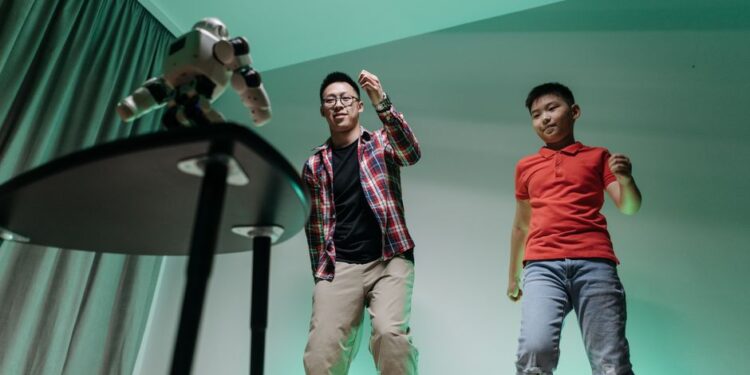
Agility’s Digit 5 features advanced capabilities that allow it to operate safely near humans. This is a major improvement over earlier robots, which often needed strict separation from human workers due to safety issues. The design emphasizes cooperative safety, enabling Digit 5 to work alongside human colleagues without extensive barriers or safety protocols that slow down productivity.
This innovation is vital for robotics engineers. They must adapt designs to ensure humanoid robots can fit smoothly into existing workflows. Career Ahead’s analysis indicates that the shift toward collaborative robotics will require an evolution in engineering skills. Focus areas will include sensor technology, machine learning, and human-robot interaction. Engineers will create systems that perform tasks and understand human behaviors and intentions. Agility Robotics states that Digit 5 has advanced sensors and AI algorithms to interpret human movements, allowing for smoother interactions in dynamic settings.
As robots like Digit 5 become common, engineers must also consider the ethical aspects of their designs. It is crucial to ensure these robots operate within social norms and positively impact workplace culture. This raises questions about robotics engineers’ responsibilities in shaping the future of work. The arrival of humanoid robots like Digit 5 is expected to significantly influence collaborative robotics. As companies adopt these robots, the demand for engineers skilled in designing safe, effective, and user-friendly robots will increase. This could lead to new job opportunities in robotics engineering, especially for those who can connect technology with human interaction.
Career Ahead’s analysis indicates that the shift toward collaborative robotics will require an evolution in engineering skills.
Masayoshi Son, the CEO of SoftBank, has raised concerns about the safety of AI technologies, calling for a shift in investment focus towards ethical practices.…
Integrating humanoid robots like Digit 5 into the workforce presents unique challenges for HR professionals. As these robots take on roles traditionally held by humans, HR departments must develop strategies for a smooth transition. This includes understanding the technology and managing the human aspects of integration. A Bloomberg report suggests that Digit 5’s introduction could lead to significant changes in job descriptions and workplace dynamics, requiring a proactive HR approach.
HR strategies should focus on training and development programs that prepare employees to work with robots. Career Ahead research shows that effective training is essential for helping employees adapt to new workflows that include humanoid robots. This may involve upskilling workers in robotics operation, maintenance, and collaboration techniques. HR professionals will also need to address employee concerns about job security and the changing nature of work. Open communication about robots’ roles in the workplace and how they can support human efforts is crucial. For example, Digit 5 can handle repetitive tasks, allowing human workers to focus on more complex, creative, or interpersonal aspects of their jobs.
As organizations implement humanoid robots, HR will play a key role in shaping workplace culture. It is essential to ensure that robots foster a collaborative environment rather than a competitive one. HR strategies must promote teamwork between human employees and robots, encouraging a culture of innovation and adaptability. The successful integration of humanoid robots like Digit 5 will depend on how well HR professionals navigate these challenges. Their ability to create supportive environments will determine how effectively these technologies enhance productivity and workplace satisfaction. Humanoids Daily highlights that successful deployment of Digit 5 requires HR to maintain ongoing dialogue with employees, addressing their concerns and ensuring they feel valued in a changing workplace.
With Digit 5’s introduction, there is a pressing need for comprehensive training programs to prepare employees for collaboration with humanoid robots. These training initiatives must cover both technical skills and soft skills for effective teamwork. Technical training will focus on how to operate and interact with humanoid robots. Employees need to understand Digit 5’s functionalities, including its capabilities and limitations. This knowledge will help them leverage the robot’s strengths while addressing potential issues during collaboration.
Soft skills are also critical in this new landscape. Employees must develop skills like communication and adaptability to work effectively alongside robots. Career Ahead analysis finds that as workplaces evolve, clear communication with both human and robotic colleagues will be vital for maintaining productivity and morale. Additionally, organizations may need to offer continuous learning opportunities as technology advances. The rapid progress in robotics means that training should not be a one-time event; it must be an ongoing process to keep employees updated on the latest developments and best practices in human-robot collaboration.
These training initiatives must cover both technical skills and soft skills for effective teamwork.
As organizations embrace humanoid robots, focusing on training will enhance operational efficiency and empower employees in a changing work environment. This proactive training approach will be crucial for ensuring the successful integration of robots like Digit 5. The introduction of humanoid robots raises important questions about the future of work. As companies adapt, how will they balance technology integration with the human elements that drive innovation and creativity?
Frequently Asked Questions
What skills do robotics engineers need to develop humanoid robots?
Robotics engineers must focus on sensor technology, machine learning, and human-robot interaction. These skills are essential for designing robots that can work safely and effectively with humans.
How should HR professionals prepare for the integration of humanoid robots?
HR professionals should create training programs that cover both technical and soft skills for employees. They must also communicate openly about robots’ roles in the workplace to ease employee concerns.
What are the best practices for training employees to work with humanoid robots?
Best practices include comprehensive training on robot functionalities and fostering soft skills like communication and adaptability. Continuous learning opportunities will also be essential as technology evolves.



AI & Technology
AI & Technology