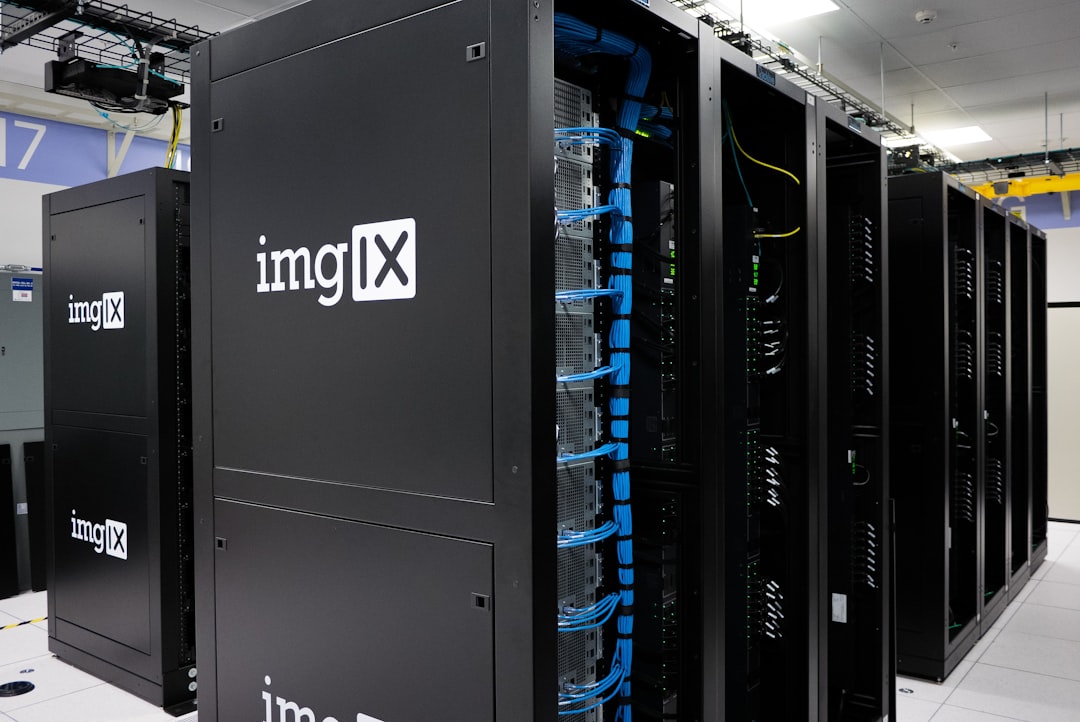
Recent polling data shows that 61% of voters oppose the construction of AI data centers, primarily due to environmental concerns. This growing discontent could reshape the future of AI deployment and data center management.
Recent polling data indicates that 61% of voters oppose the construction of AI data centers, raising significant concerns among data center managers and AI policy analysts. This widespread disapproval, highlighted in a recent survey by Siena University and the New York Times, reflects a growing public apprehension towards AI technologies and their associated infrastructure. As the landscape shifts, understanding the implications of this sentiment will be crucial for stakeholders in the AI and data center sectors.
The survey revealed that only 14% of respondents strongly support the construction of these facilities. The opposition is largely driven by environmental concerns, with 32% of those against data centers citing water usage and ecological impacts as primary reasons. Furthermore, 21% of respondents expressed worries about the effects on local communities. This growing discontent is not isolated; similar findings have emerged from various polls, indicating a trend that could reshape the future of AI deployment. Notably, a report from NPR Illinois emphasizes that data centers are not only expensive but also unpopular, suggesting that this sentiment could influence upcoming elections and policy decisions.
Investment Strategies Under Pressure
Data center managers may soon find themselves navigating a challenging investment landscape as public sentiment increasingly influences funding decisions. Career Ahead’s analysis finds that the current opposition to AI data centers could lead to a slowdown in new projects and funding opportunities. With 56% of voters supporting limits on data center construction, this could translate into stricter regulations and higher operational costs for data centers.
Investors are likely to be more cautious, as the backlash against AI technologies may deter them from committing to new ventures. The sentiment reflected in the polling data suggests that financial backers may prioritize projects with clearer environmental benefits or those that align with public interests. This could lead to a shift in investment strategies, focusing on sustainability and community engagement. According to a report by Futurism, the growing public disapproval of data centers is prompting a reevaluation of investment priorities, as stakeholders seek to align with community values and environmental sustainability.
Additionally, data center managers will need to adapt their operational strategies to address these concerns. This could involve implementing more sustainable practices, such as using renewable energy sources or improving water management systems. By proactively addressing public concerns, data centers can position themselves as responsible players in the AI ecosystem, potentially easing investor apprehensions. Furthermore, as public opposition grows, the potential for increased regulatory scrutiny becomes a pressing issue. Data center managers must stay informed about local and national policies that could affect their operations. Engaging with policymakers and community stakeholders will become essential to navigate this evolving landscape effectively.
Shifts in Regulatory Frameworks
The public’s negative perception of AI and data centers is likely to influence regulatory frameworks in the near future.
Economist Michael Greenstone argues that developing nations should receive compensation for climate damage, but only if they adopt carbon pricing. This approach aims to link…
The public’s negative perception of AI and data centers is likely to influence regulatory frameworks in the near future. As governments respond to voter sentiment, new regulations may emerge that impose stricter guidelines on the construction and operation of AI data centers. Career Ahead research identifies that this regulatory shift could create additional hurdles for data center managers, who must comply with evolving standards while maintaining operational efficiency.
For instance, regulations may focus on environmental protections, requiring data centers to demonstrate their sustainability efforts before receiving approval for new projects. This trend aligns with the findings from NPR Illinois, which highlight the potential for data centers to become a tipping point in upcoming elections. As public concern grows, policymakers may prioritize legislation that addresses these issues, leading to a more complex regulatory environment. The urgency for compliance is underscored by a report from The Verge, which notes that public sentiment against data centers is not just a passing trend but a significant factor that could reshape the regulatory landscape.
Data center managers will need to develop strategies to adapt to these changing regulations. This may involve investing in compliance measures or engaging in advocacy efforts to shape policies that align with their operational goals. By actively participating in the regulatory process, data centers can help ensure that their voices are heard and that regulations are fair and practical. Moreover, AI policy analysts will play a crucial role in this evolving landscape. They must analyze and interpret the implications of new regulations, providing insights that help data center managers navigate compliance challenges. As the regulatory environment becomes more intricate, collaboration between analysts and managers will be vital to ensure that data centers can continue to operate effectively.
As the public’s sentiment towards AI continues to shift, the approval processes for AI projects may also become more stringent. With 38% of respondents in the recent poll advocating for a total ban on AI data centers, the approval landscape could become increasingly challenging for new initiatives. This poses a significant concern for data center managers who rely on timely project approvals to maintain their competitive edge. Career Ahead analysis finds that the growing opposition to AI technologies may lead to longer approval timelines and more rigorous assessments of proposed projects. Data center managers will need to prepare for potential delays and increased scrutiny, which could impact their operational timelines and financial projections.
In light of these challenges, data center managers should prioritize transparency and community engagement in their project proposals. By addressing public concerns and demonstrating their commitment to responsible practices, they may improve their chances of securing project approvals in a climate of skepticism. The implications of these shifts in public sentiment, investment strategies, and regulatory frameworks are significant for data center managers and AI policy analysts. As the landscape evolves, staying informed and adaptable will be essential for navigating the complexities of the AI and data center sectors.
Freelancers, content creators, and service exporters must now declare the full value of services exported to overseas clients under new FEMA regulations.
As the regulatory environment becomes more intricate, collaboration between analysts and managers will be vital to ensure that data centers can continue to operate effectively.
As the situation develops, the long-term consequences of public sentiment on AI technologies remain to be seen. Will the growing opposition lead to a fundamental reevaluation of how data centers operate, or will the industry find a way to address public concerns effectively? The answers to these questions will shape the future of AI and data centers in the coming years.
Frequently Asked Questions
What are the implications of AI unpopularity for data center management?
The rising unpopularity of AI among the public could lead to stricter regulations and increased scrutiny for data centers. This may require managers to adopt more sustainable practices and engage with local communities to mitigate concerns.
How can AI policy analysts respond to negative public sentiment?
AI policy analysts can respond by closely monitoring public opinion and advocating for regulations that balance innovation with public concerns. They should provide data-driven insights to help shape policies that address the needs of both the industry and the community.
What strategies should data center managers adopt in light of changing public perceptions?
Data center managers should prioritize transparency and community engagement in their operations. By addressing public concerns and demonstrating their commitment to sustainability, they can improve their chances of securing project approvals and maintaining investor confidence.




Government & Policy

Government & Policy