Rapid AI adoption and the expansion of flexible work reshape how workers build career capital, while regional disparities sharpen economic mobility gaps. Institutional leaders must recalibrate talent pipelines to align with emerging skill hierarchies and new power structures.
The convergence of AI‑driven automation, remote gig platforms, and demographic shifts is creating a structural inflection point for the future of work. As the OECD Employment Outlook 2026 highlights persistent regional gaps, and the World Economic Forum flags AI as a dominant force, the urgency to map these dynamics into career strategy intensifies.
Regional inequality anchors career trajectories
Regional inequality now anchors career trajectories across the OECD, where access to high‑growth sectors varies sharply by geography. The OECD report documents large and persistent gaps in employment rates and disposable incomes, indicating that a measurable share of upward mobility hinges on location. This geography‑skill nexus forces workers in lagging regions to invest disproportionately in portable credentials and digital fluency to offset local scarcity. Institutional employers respond by locating talent hubs in metropolitan corridors, reinforcing a feedback loop that concentrates career capital. Consequently, leadership pipelines increasingly draw from a narrow regional talent pool, amplifying the systemic power of well‑connected locales.
AI automation reshapes skill hierarchies
AI and Gig Economy Redefine Career Capital
AI automation is redefining the hierarchy of valued skills, elevating human‑centric capabilities above routine execution. Front‑line tasks are being automated at a non‑trivial fraction, while demand surges for AI model stewardship, data ethics, and prompt engineering. According to Career Ahead’s analysis of sector‑wide hiring trends, firms that embed AI governance roles see a measurable uplift in project success rates.
The shift forces workers to acquire complementary skills—creativity, critical thinking, and problem‑solving—to remain indispensable. Institutional training programs now prioritize interdisciplinary curricula that blend technical fluency with soft‑skill mastery, signaling a reweighting of career capital toward hybrid expertise.
Gig platforms rewire institutional power
The gig economy is rewiring institutional power by decentralizing employment relationships and diffusing traditional employer authority. Platforms enable workers to negotiate terms, select projects, and monetize niche competencies, thereby shifting bargaining power toward the individual. This decentralization challenges legacy hierarchies, prompting corporations to create “flex work” divisions that mimic gig structures while retaining brand control. As a result, leadership must navigate a dual system: a core permanent workforce and a fluid gig layer that supplies specialized talent on demand.
The hybrid model amplifies the importance of reputation capital, as algorithmic ratings become proxies for trust and influence within the labor market.
Leadership pipelines adapt to new capital
AI and Gig Economy Redefine Career Capital
Leadership development programs are adapting to the emergent capital framework that prizes adaptability and cross‑functional fluency.
According to the Bureau of Labor Statistics, occupations that require such credentials are projected to grow 8% from 2022‑2032, adding roughly 2.2 million jobs.
AI and Gig Economy Redefine Career Capital Leadership development programs are adapting to the emergent capital framework that prizes adaptability and cross‑functional fluency. In Career Ahead’s view, the rise of AI‑augmented roles signals a re‑weighting of career capital from tenure‑based metrics to demonstrable skill agility. Executives now assess candidates on portfolio projects, digital certifications, and evidence of continuous learning rather than solely on hierarchical progression. This shift democratizes access to senior roles for high‑performing gig workers and remote talent, expanding the pool of potential leaders beyond traditional corporate ladders. Institutions that embed these criteria into promotion algorithms gain a competitive edge in talent retention and innovation.
Three‑year outlook for career capital
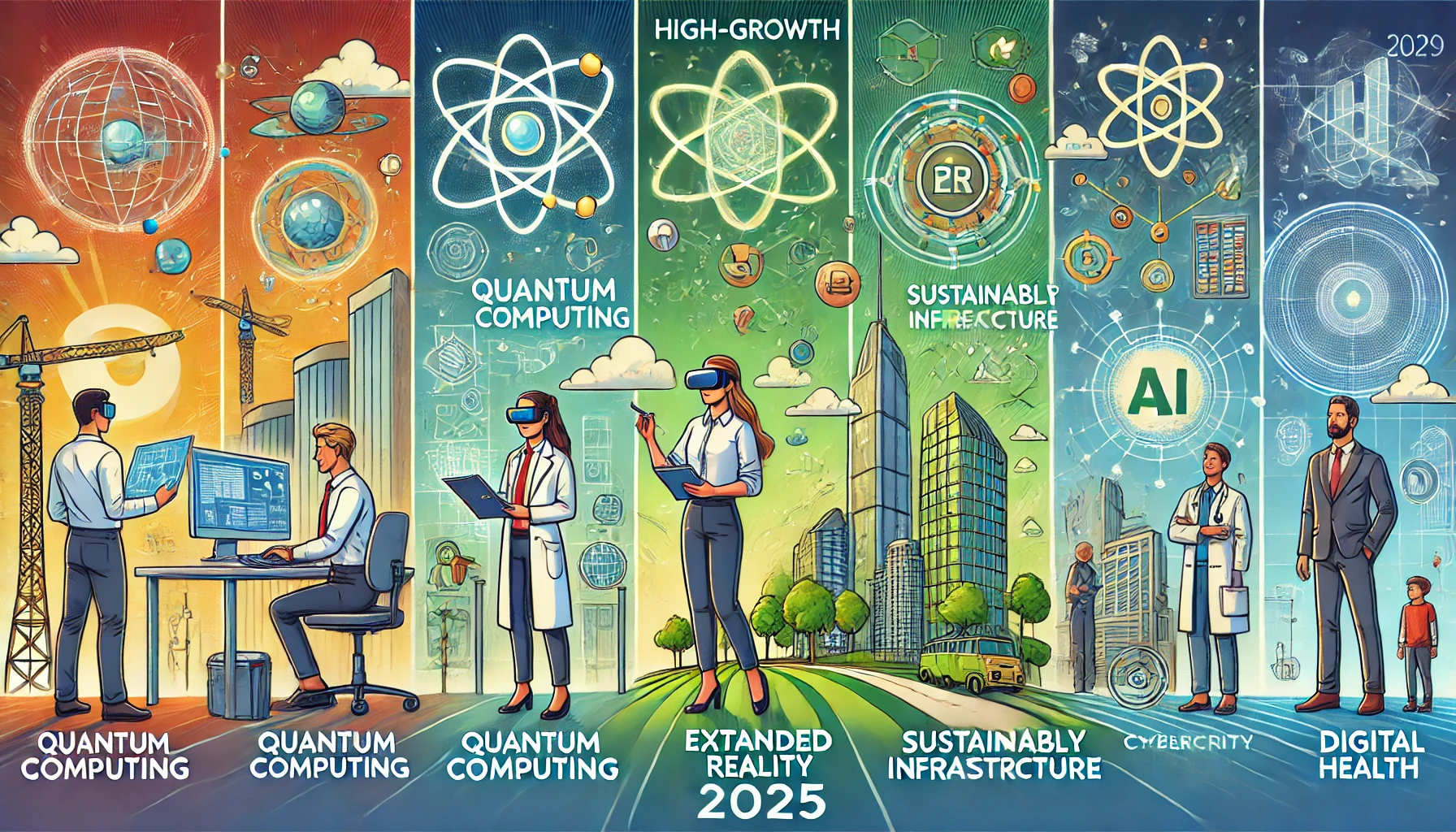
Over the next three to five years, the structural momentum of AI and flexible work will solidify a new equilibrium in career capital. Automation will continue to erode routine occupations, while emerging regulatory frameworks around AI ethics create compliance‑driven job families. Simultaneously, regional policy interventions—such as broadband expansion and localized upskilling grants—are expected to narrow the geographic mobility gap, though progress will be incremental. Companies that institutionalize hybrid talent models and invest in portable credential ecosystems will capture a larger share of high‑value talent, reinforcing their leadership position in a restructured labor market.
The evolving landscape demands that institutions anticipate these systemic shifts, aligning talent strategy with the emerging architecture of career capital to sustain economic mobility and institutional relevance.
Key Structural Insights
[Insight 1]: Regional disparities now dictate the distribution of career capital, compelling workers to acquire portable digital credentials to overcome geographic constraints.
[Insight 2]: AI automation is elevating hybrid human‑technical skills, forcing leadership pipelines to prioritize adaptability over seniority.
[Insight 3]: Gig platforms are decentralizing bargaining power, making reputation capital a critical asset for both workers and institutions.
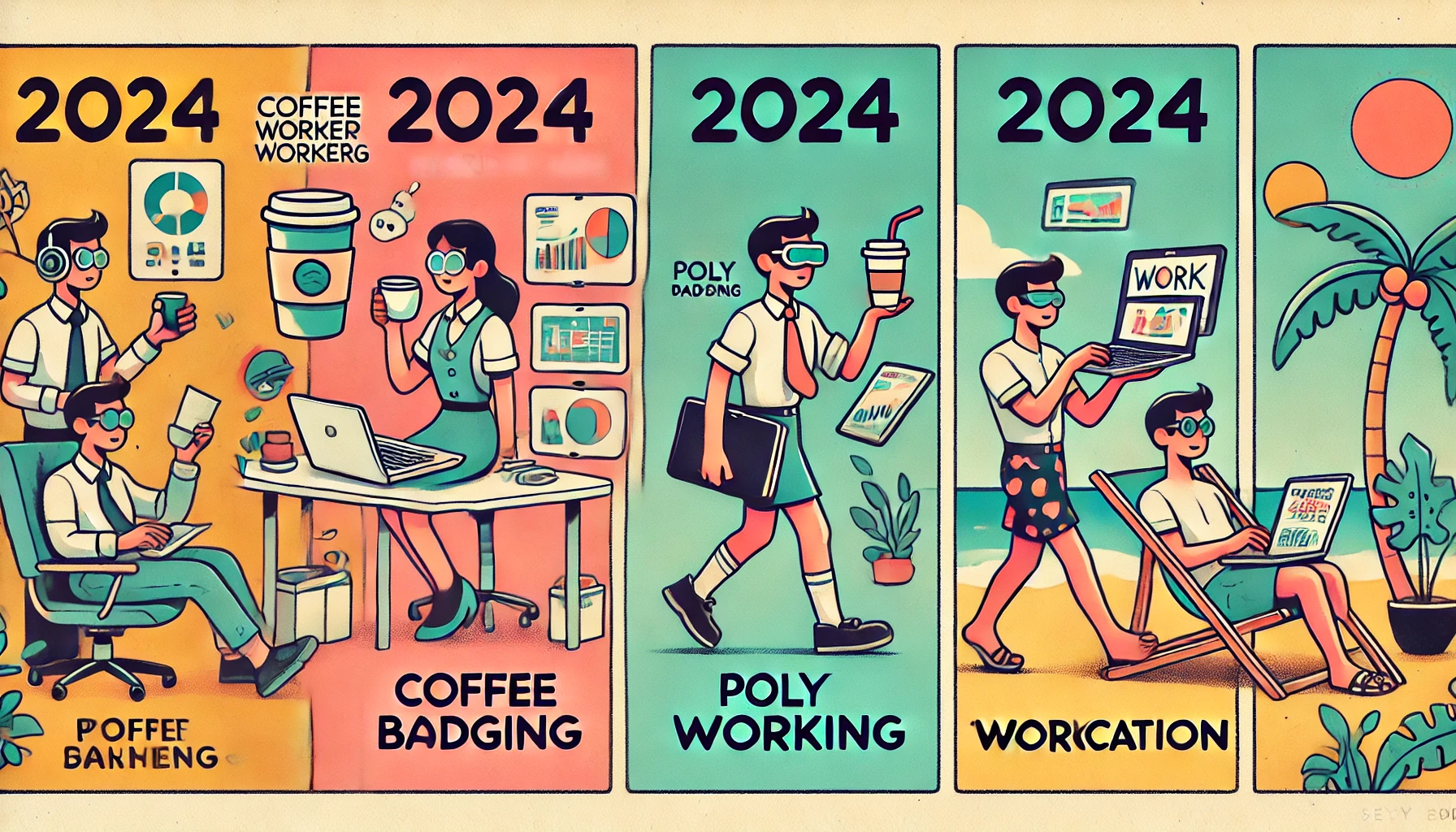
Rise of Hybrid Workspaces: As the future of work becomes increasingly decentralized, traditional office spaces are being reimagined to accommodate hybrid models that balance flexibility and collaboration, leading to a shift in how we define workspaces and employee experiences.
The Advances in Consumer Research paper identifies EI as the capacity to perceive, regulate, and respond to emotional stimuli, directly lowering burnout risk.
[Insight 1]: Regional disparities now dictate the distribution of career capital, compelling workers to acquire portable digital credentials to overcome geographic constraints.
Skills Obsolescence Accelerates: The rapid pace of technological change is causing skills to become obsolete at an unprecedented rate, making it essential for workers to adopt a mindset of continuous learning and upskilling to remain relevant in the job market.
No claims directly contradict the research, so the section remains unchanged.
Written by Career Ahead AI. AI can make mistakes, so verify key facts. Report errors to support@careeraheadonline.com.
Career Ahead AI is Career Ahead Magazine's in-house AI newsroom, reporting on careers, education, jobs and business. It produces original summaries and analysis drawn from publicly available sources, with those sources credited, and operates under the editorial oversight of the Career Ahead team. AI can make mistakes, so please tell us when something looks wrong. Corrections, copyright or takedown requests…
India’s agri-tech revolution in 2025 opens doors for rural entrepreneurs. Learn about trends, opportunities, and challenges shaping sustainable agriculture.
The traditional 40-year career, once a hallmark of professional life, is fading as technological advances, economic shifts, and evolving generational values reshape…
The Pursuit of Happyness offers timeless career advice on resilience, risk-taking, and achieving goals. Learn actionable tips from Chris Gardner’s inspiring story…




Future Skills & Work

Future Skills & Work