No products in the cart.

AI and Human Rights: The Future of Ethical Careers
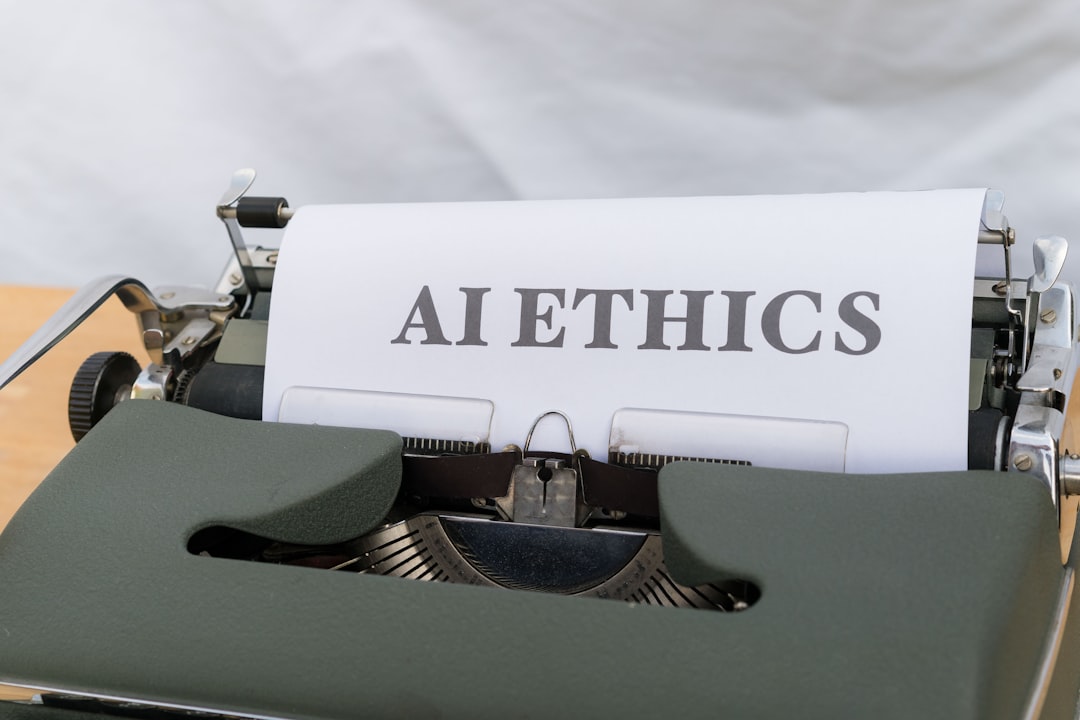
AI ethics careers are becoming pivotal in supporting human rights globally. This article explores the intersection of technology and law for young professionals.

San Francisco, USA — As artificial intelligence (AI) technology continues to evolve, its implications for human rights are becoming increasingly profound. The intersection of technology and law is creating a new career landscape for young professionals eager to make a difference. AI ethics is not just a niche field; it is a burgeoning domain that holds the potential to influence global human rights practices.
With organizations like Human Rights Watch and Amnesty international calling attention to the ethical implications of AI, the need for skilled professionals in this area is urgent. The UN has also highlighted the role of technology in exacerbating inequalities, emphasizing the importance of ethical frameworks to safeguard human rights in the digital age. A report by the World Economic Forum states that over 90% of global organizations are now prioritizing ethical considerations in AI deployment, reflecting a seismic shift in corporate responsibility.

As AI systems increasingly make decisions that affect people’s lives, the ethical considerations surrounding their deployment cannot be ignored. The technology, while promising efficiency and innovation, also raises concerns about bias, privacy, and accountability. For instance, facial recognition technology has been criticized for its inaccuracies and potential for racial bias, leading to wrongful arrests and privacy violations. A 2022 study by MIT found that facial recognition algorithms misidentified the gender of darker-skinned individuals 34% of the time, compared to just 1% for lighter-skinned individuals. Such disparities highlight the urgent need for ethical oversight.
 Career Opportunities
A New Wave of Opportunities: 3165 Community Health Officer Positions Open in West Bengal
West Bengal is set to recruit 3165 Community Health Officers, unlocking new career paths in healthcare for aspiring professionals.
Read More →With organizations like Human Rights Watch and Amnesty international calling attention to the ethical implications of AI, the need for skilled professionals in this area is urgent.
Young professionals entering this field will find a diverse range of opportunities. Positions are emerging in various sectors, including non-profits, governmental organizations, and tech companies. A 2023 LinkedIn report indicates that job postings for AI ethics roles have increased by 150% over the past two years. Companies like Microsoft and Google are actively hiring AI ethics officers to ensure their technologies are developed responsibly. Furthermore, educational institutions are responding to this demand by offering specialized programs in AI ethics, law, and policy.
However, the path to a career in AI ethics is not without challenges. The field is still nascent, and many organizations are grappling with how to implement ethical guidelines effectively. A survey conducted by Deloitte found that only 28% of organizations have a clear strategy for ethical AI deployment. This inconsistency can create barriers for young professionals seeking to enter the field. It is crucial for aspiring candidates to build a solid foundation in both technology and human rights law, as interdisciplinary knowledge is key to navigating this complex landscape.
The role of AI in human rights also raises questions about accountability. Who is responsible when an AI system makes a harmful decision? The lack of clear legal frameworks complicates matters. According to a 2023 report from the European Commission, the absence of accountability mechanisms in AI systems poses a significant threat to human rights. This presents an opportunity for young professionals to advocate for policy changes that promote accountability and transparency in AI deployment.
 Career Development
Navigating Tomorrow: How Tech is Redefining Career Paths
As technology evolves, so do career paths. From AI to remote work, discover the innovative opportunities emerging in the job…
Read More →As the demand for ethical oversight in technology grows, young professionals can leverage their skills to address these challenges. Networking with organizations focused on AI ethics and human rights, such as the Partnership on AI, can provide valuable insights and opportunities. Additionally, internships and volunteer positions can help build experience and credibility in this emerging field.
In the face of rapid technological advancement, the role of AI ethics in promoting human rights is more critical than ever. As the global landscape shifts, young professionals equipped with the right skills and knowledge will not only find fulfilling careers but will also contribute to shaping a more equitable future.