No products in the cart.

Market Sentiment in Flux: The Ripple Effects of Global Turmoil
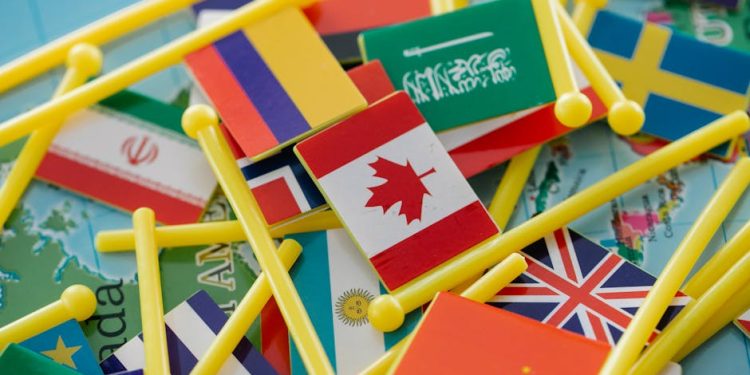
As geopolitical tensions rise, market sentiment teeters on the edge. This analysis explores the ripple effects on job markets and economic landscapes worldwide.

New York, USA — As the stock market sways like a pendulum in a storm, investors and job seekers alike find themselves navigating a landscape fraught with uncertainty. The recent geopolitical tensions, coupled with shifting monetary policies, have sent ripples through the global economy, leaving many wondering what the future holds.
The backdrop to this financial drama is a world where supply chains are still reeling from the aftershocks of the pandemic. As nations recalibrate their economic strategies, the effects are being felt far and wide. In the United States, for instance, the Federal Reserve’s recent interest rate hikes have not only dampened consumer spending but have also raised the stakes for businesses reliant on borrowed capital. The ripple effect can be seen in the job market, where hiring has slowed and layoffs have begun to creep into sectors once thought immune to economic downturns.
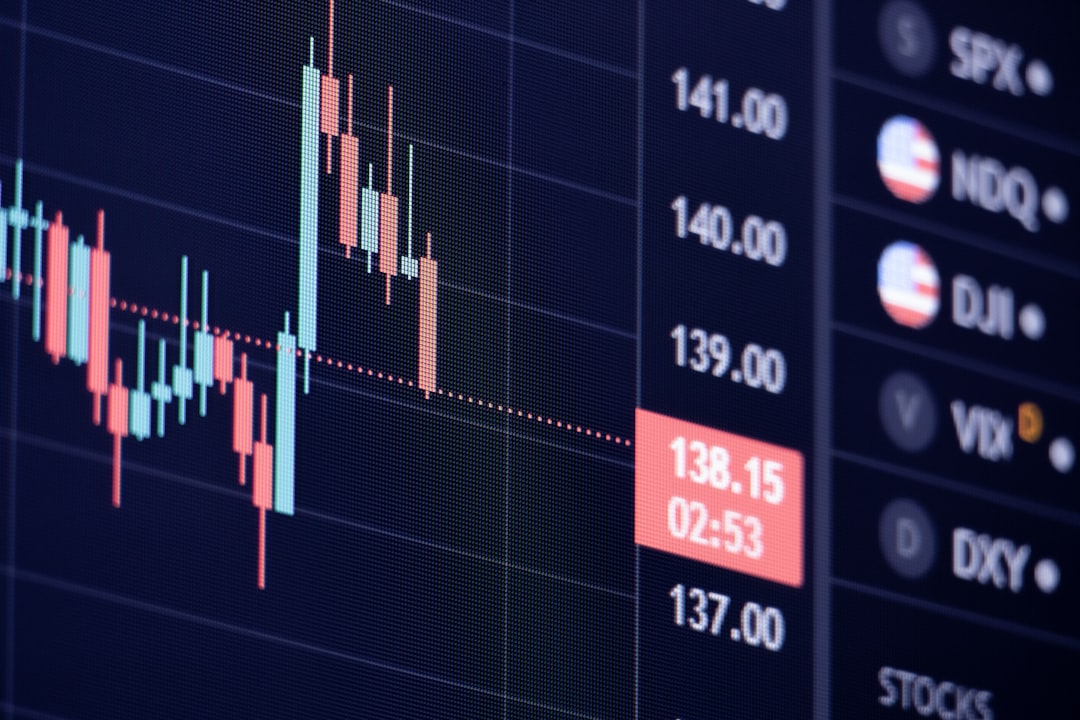
Across the Atlantic, Europe grapples with its own set of challenges. The ongoing conflict in Ukraine has added fuel to an already burning fire of inflation, pushing energy prices to dizzying heights. In Germany, the economic powerhouse of Europe, manufacturing companies are facing unprecedented challenges as they contend with skyrocketing costs and disrupted supply lines. According to a report from the German Chamber of Commerce, nearly 40% of businesses are currently struggling to maintain operations due to these pressures [1].
But it’s not just the traditional economic powerhouses feeling the strain. Emerging markets, particularly in Asia, are also bracing for impact. Countries like India and Vietnam, which have positioned themselves as manufacturing hubs, are beginning to see shifts as global companies reconsider their supply chains in light of rising geopolitical risks. The World Bank has indicated that economic growth in these nations could slow significantly if foreign investment begins to dwindle [2].
As we look deeper into the situation, it’s essential to consider the varying perspectives on these developments.
As we look deeper into the situation, it’s essential to consider the varying perspectives on these developments. On one hand, some analysts argue that this could be a necessary correction, prompting businesses to innovate and adapt. “When the going gets tough, the tough get going,” says economic strategist Laura Chen. “This is a time for businesses to rethink their models, embrace digital transformation, and focus on sustainability.”
You may also like
 Industry & Global Trends
Pharma Exports Hit $8.1bn, U.S. Dominates Demand
The increase in exports is driven by various factors, including the growing reliance on affordable generic medicines and the expansion of India's pharmaceutical manufacturing capabilities.
Read More →On the flip side, there’s a growing chorus of concern about job security and economic stability. For many young professionals entering the workforce, the current climate feels like a game of high-stakes poker. The uncertainty can be paralyzing. A recent survey conducted by Career Ahead found that 65% of respondents aged 18-30 expressed anxiety over job prospects in today’s economy [3].
As we stand at this crossroads, it’s evident that the interplay between geopolitics and economics will shape the job market for years to come. The tech sector, for example, has been both a haven and a battleground. While companies like Google and Microsoft continue to expand, they are also facing intense scrutiny over data privacy and ethical practices. The rise of artificial intelligence and automation adds another layer of complexity, as workers must adapt to remain competitive in an ever-evolving landscape.
In an age where side hustles are becoming the norm, many young professionals are turning to gigs to supplement their incomes. Platforms like Upwork and Fiverr have seen exponential growth as people seek flexible work opportunities amidst economic uncertainty. This shift not only reflects changing attitudes toward traditional employment but also highlights the resilience of a generation determined to forge their paths.
Looking ahead, we must remain vigilant. The interplay of political decisions and economic conditions will undoubtedly continue to shape the landscape. For job seekers and businesses alike, the key will be adaptability. As the world becomes increasingly interconnected, those who can pivot and embrace change will find themselves at the forefront of the new economy.
For many young professionals entering the workforce, the current climate feels like a game of high-stakes poker.
In this era of uncertainty, one thing is clear: the ability to innovate and adapt will be the lifeboat in these turbulent waters. As we move forward, let’s embrace the challenges and seize the opportunities that lie ahead.
You may also like
 Career Guidance
7 Strategies to Craft a Personalized Career Brand Across Multiple Social Media Platforms
However, with the rise of social media, having a well-established personal brand is no longer a luxury, but a necessity.
Read More →