No products in the cart.

AI and Immigration: Transforming Border Control Careers
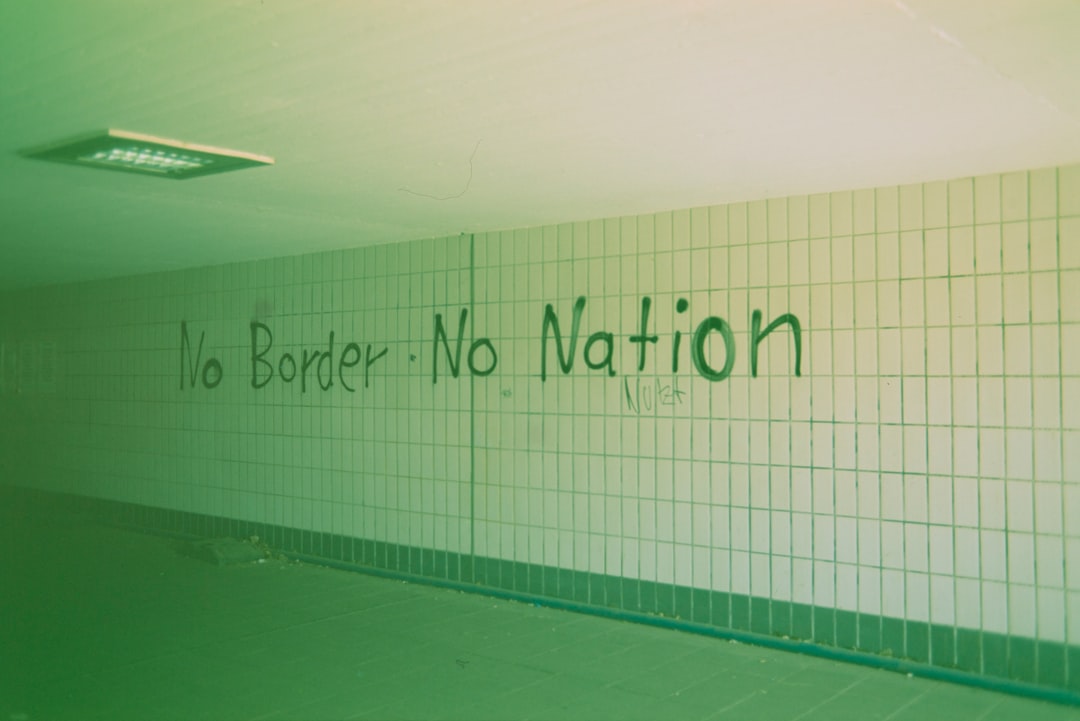
AI is revolutionizing immigration processes, enhancing efficiency while raising ethical questions about bias and job transformations.

Washington, D.C. — The integration of artificial intelligence (AI) into immigration systems is rapidly transforming the landscape of border control careers. As nations grapple with increasing migration flows, AI technologies are being deployed to streamline processes, enhance security, and predict migration patterns. However, the benefits of these innovations come with significant ethical concerns, particularly regarding bias and job displacement.
AI’s influence on immigration matters now more than ever. In the wake of the COVID-19 pandemic, countries are re-evaluating their immigration policies and systems. The U.S. Citizenship and Immigration Services (USCIS) reported a 30% increase in applications for asylum in 2021 compared to pre-pandemic levels, necessitating more efficient processing methods. AI could potentially reduce wait times and improve accuracy in decision-making, but it also risks perpetuating existing biases in immigration enforcement.

AI technologies, such as machine learning algorithms, are increasingly used to analyze vast amounts of data related to migration. For instance, the European Union has invested heavily in AI systems to monitor border security and assess asylum claims. These systems can process applications faster and more efficiently than human agents, potentially reducing the backlog of cases that currently plagues many immigration offices globally.
 Career Advice
Navigating Australia’s Booming Job Sectors: A Guide for Students
Australia’s job market is evolving rapidly. Tertiary students must adapt to thrive in high-growth sectors. Discover the key skills needed…
Read More →However, the reliance on AI in immigration raises critical questions about fairness and transparency. A 2022 study from the University of Southern California found that AI algorithms used in immigration screening often reflect the biases present in the data they are trained on, leading to disproportionate outcomes for specific demographics. This bias can result in wrongful denials of asylum or heightened scrutiny for certain groups, undermining the very principles of justice and equality that many immigration systems strive to uphold.
AI technologies, such as machine learning algorithms, are increasingly used to analyze vast amounts of data related to migration.
Moreover, the introduction of AI in border control has implications for employment in the sector. As automation increases, there is a growing concern about job displacement among immigration officers and border control agents. The World Economic Forum predicts that by 2025, 85 million jobs may be displaced by a shift in labor between humans and machines. While AI can augment human capabilities, it may also lead to significant job losses in roles traditionally filled by people.
Despite these challenges, the potential for AI to enhance immigration systems is substantial. For example, AI can assist in identifying fraudulent documents, improving the accuracy of identity verification, and expediting processing times. The U.S. Customs and Border Protection (CBP) has begun implementing AI tools to analyze patterns in border crossings, which could lead to more informed decision-making and resource allocation.
Internationally, countries like Canada and Australia are exploring AI-driven solutions to improve their immigration processes. Canada’s Immigration, Refugees and Citizenship department has launched an AI pilot program aimed at automating the initial assessment of immigration applications. This initiative not only aims to enhance efficiency but also to ensure that applicants receive timely feedback on their status.
 Entrepreneurship Resources
School District Residency Enforcement Intensifies Parental Challenges
Families nationwide face increasing challenges in keeping children enrolled in specific school districts due to stringent residency enforcement. This article…
Read More →As governments continue to adopt AI technologies, the need for robust regulatory frameworks becomes increasingly important. Policymakers must strike a balance between leveraging AI for efficiency and safeguarding against its potential pitfalls. This includes ensuring that AI systems are transparent, accountable, and free from bias. The European Commission has proposed regulations that require AI systems used in critical areas like immigration to meet strict ethical standards, emphasizing the need for human oversight in decision-making processes.
Looking ahead, the conversation around AI in immigration will likely intensify. Stakeholders from various sectors—including governments, tech companies, and advocacy groups—must engage in dialogue to establish guidelines that protect individual rights while embracing technological advancements. The future of immigration systems will depend on how effectively these parties can collaborate to harness AI’s potential responsibly.
As governments continue to adopt AI technologies, the need for robust regulatory frameworks becomes increasingly important.
As we navigate this evolving landscape, it is crucial for professionals in the immigration and border control sectors to adapt to these changes. Upskilling and reskilling will be essential as AI tools become more prevalent. Immigration officers and border agents may need to develop new competencies to work alongside AI systems, focusing on areas where human judgment and empathy are irreplaceable.
 Career Development
The Future of HR, Stripped to the Essentials
Human resources is no longer just about policies—it’s about relationships, culture, and accountability. HR Essentials Explained offers a practical guide…
Read More →Ultimately, the integration of AI into immigration systems presents both opportunities and challenges. The path forward will require careful consideration of ethical implications and a commitment to ensuring that technology serves to enhance, rather than undermine, the values of fairness and justice in immigration processes.