As artificial intelligence (AI) and robotics continue to evolve, their impact on jobs and businesses has become a pressing concern. Recent warnings from industry leaders highlight the potential disruptions these technologies may cause in the workforce. On November 28, 2025, a report from Leadership Newspapers underscored the urgency of this issue, suggesting that the rapid advancement of AI could lead to significant job displacement across various sectors.
The implications of AI and robotics extend beyond mere job loss; they pose fundamental challenges to business models and operational strategies. Companies must navigate a landscape where automation not only enhances efficiency but also raises ethical questions about workforce displacement. This situation is critical now as organizations strive to balance technological advancement with social responsibility.
The integration of AI into business processes is not new. Companies like Amazon and Google have leveraged AI for years to optimize logistics, enhance customer service, and drive innovation. According to a report by McKinsey, up to 800 million global workers could be displaced by automation by 2030, with the most vulnerable sectors being retail, hospitality, and manufacturing [1]. This stark statistic underscores the urgency for businesses to adapt and for workers to reskill.
Moreover, the World Economic Forum predicts that while automation will displace jobs, it will also create new roles, particularly in technology and care sectors. However, the transition may not be smooth. Workers in low-skill positions face a daunting challenge as they compete with machines that can perform tasks faster and more accurately. The disparity in reskilling opportunities exacerbates existing inequalities, making it essential for companies to invest in workforce development.
The disparity in reskilling opportunities exacerbates existing inequalities, making it essential for companies to invest in workforce development.
Furthermore, the ethical implications of AI deployment are significant. The potential for bias in AI algorithms can lead to unfair hiring practices and perpetuate discrimination. A study by MIT found that facial recognition systems are less accurate for people of color, raising concerns about the fairness of automated hiring tools [2]. Businesses must prioritize ethical AI practices to build trust and ensure equitable outcomes.
 News
NewsIIM Calcutta Records 100% Summer Placements, Record Stipend
Consulting led recruiting with 220 offers; the placement season ended ahead of schedule during Cluster 3.
Read More →From a business strategy perspective, organizations are increasingly recognizing the need for a hybrid workforce that combines human creativity with machine efficiency. Companies like IBM are pioneering initiatives to retrain employees, focusing on skills that machines cannot replicate, such as emotional intelligence and critical thinking. This approach not only mitigates the risk of job loss but also enhances overall productivity and innovation.
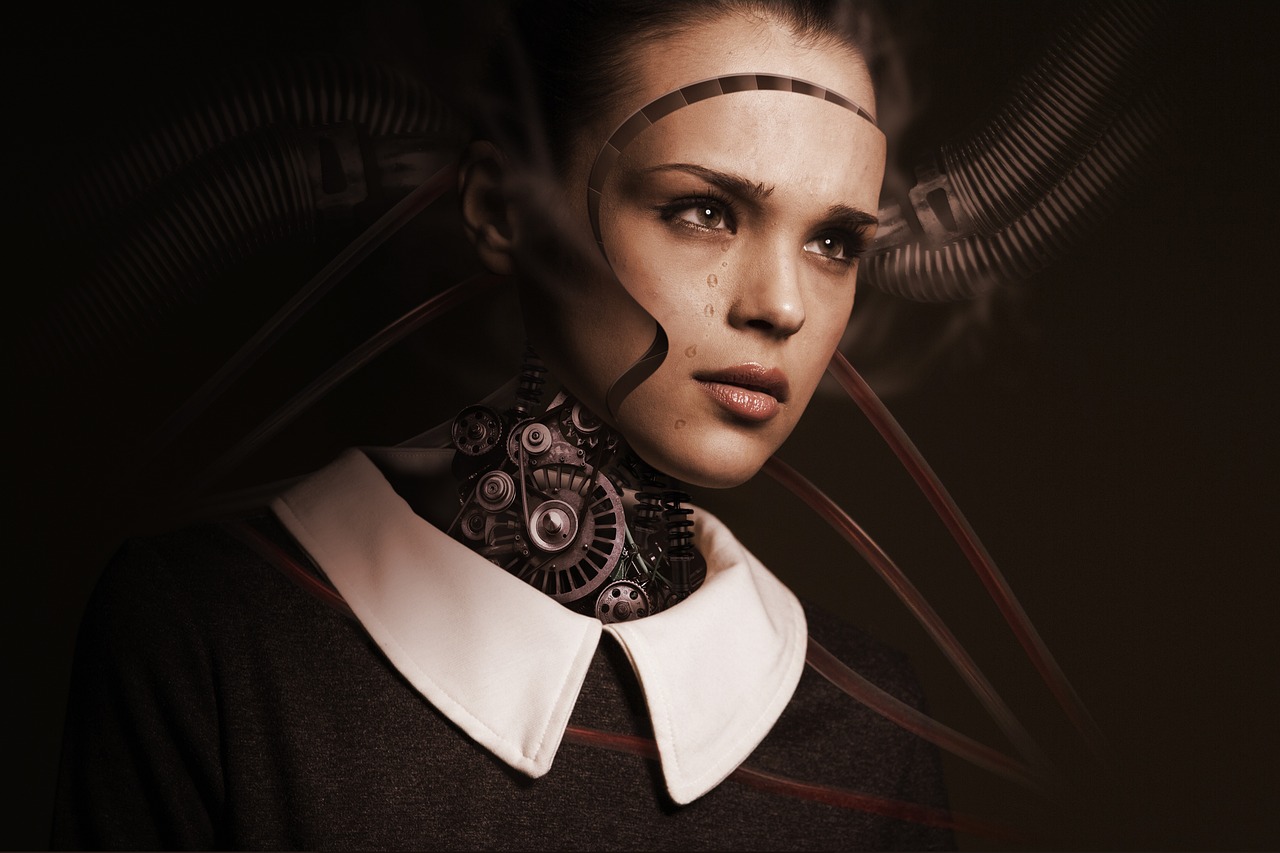
As AI and robotics continue to evolve, the future of work will likely be characterized by collaboration between humans and machines. A report from PwC suggests that by 2030, AI could contribute up to $15.7 trillion to the global economy, highlighting the potential benefits of embracing these technologies [3]. However, realizing this potential requires proactive measures from businesses, governments, and educational institutions.
In response to these challenges, policymakers are beginning to formulate strategies aimed at mitigating the impact of automation on the workforce. Initiatives such as universal basic income and job guarantee programs are gaining traction as potential solutions to support displaced workers. Countries like Finland have already piloted universal basic income schemes, providing valuable insights into their effectiveness in promoting economic stability and worker well-being.
From a business strategy perspective, organizations are increasingly recognizing the need for a hybrid workforce that combines human creativity with machine efficiency.

Looking ahead, the question remains: how can businesses and individuals prepare for a future where AI and robotics are integral to everyday work? The answer lies in embracing lifelong learning and adaptability. Workers must cultivate a mindset geared toward continuous skill development, while organizations need to foster an environment that encourages innovation and reskilling.
Ultimately, the integration of AI and robotics into the workplace is not just a technological challenge; it is a societal one. As we stand on the brink of this new era, the onus is on all stakeholders—business leaders, policymakers, and educators—to collaborate in shaping a future that harnesses the benefits of technology while safeguarding the livelihoods of workers. How will you prepare for the inevitable changes on the horizon?
Written by Career Ahead AI. AI can make mistakes, so verify key facts. Report errors to support@careeraheadonline.com.