

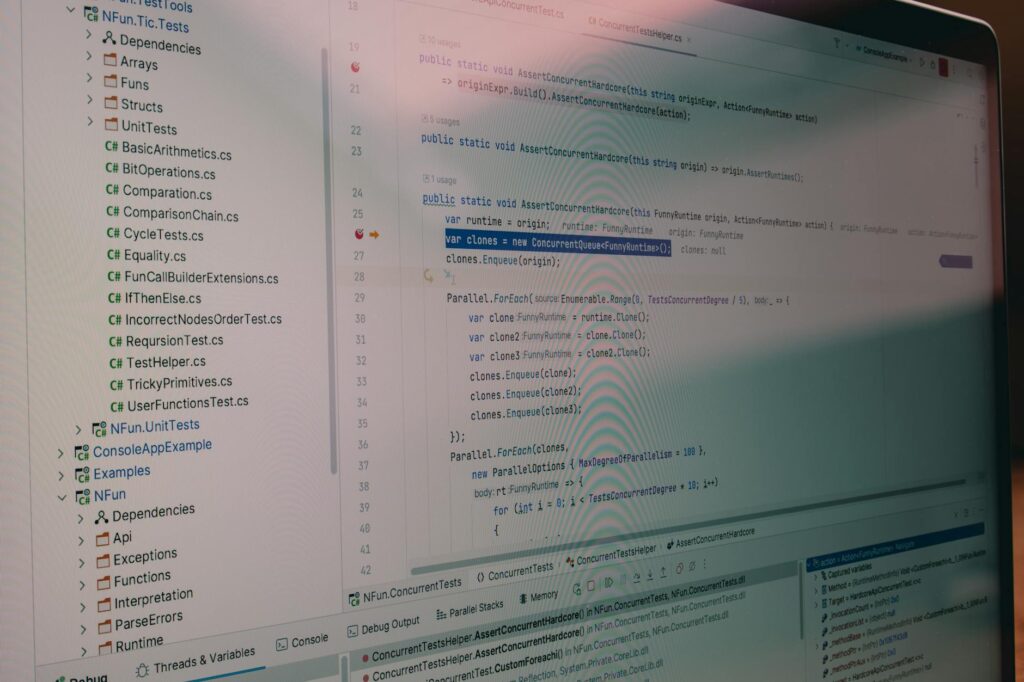
GitHub’s Copilot is reshaping how engineers write code, but the speed-up comes with real questions about jobs, quality, and ethics.
GitHub Copilot Sparks Controversy
When GitHub opened its Copilot X beta to 12,000 developers in February 2026, the tool generated a full-stack feature in under a minute for a senior engineer at a fintech startup. This sparked a heated debate on Reddit’s r/programming, with some praising the time saved and others warning about potential bugs and copyright issues. A survey by the IEEE Software Engineering Standards Committee found that 42% of respondents feared AI tools might replace junior developers within five years.
High Stakes for the Future of Software Engineering If AI assistants become standard, the skill set for engineers will shift.
The AI-Powered Coding Landscape

Amazon’s Kiro and Microsoft’s Claude Code are just a few examples of AI-powered coding assistants that can write “production-ready” functions after a single prompt. These tools sit on a fast-moving stack that includes code-completion, bug-detection, and automated testing. Proponents say AI can cut development cycles by 30% and reduce human error. Critics, however, point out that the models learn from public repositories, raising concerns about license violations and the opacity of the generated logic.
High Stakes for the Future of Software Engineering
If AI assistants become standard, the skill set for engineers will shift. Mastery of prompt engineering and model-output verification may outweigh rote coding ability. Companies like Microsoft and Amazon are betting heavily on AI, with Microsoft’s 2026 AI-productivity roadmap projecting $3 billion in annual savings from AI-augmented development. However, the same report flags a “potential displacement risk for entry-level roles.”
Industry Response to AI-Powered Coding
Reactions vary across the tech ecosystem. GitHub’s own blog introduced “Agent HQ,” a framework that lets developers attach AI agents to any part of the workflow, emphasizing augmentation over automation. Some startups have built internal policies that require a human code review before any AI-suggested commit is merged. Meanwhile, open-source advocates have launched “OpenCopilot,” a community-driven alternative that aims to keep model training transparent.
Outlook for AI in Software Development
 Career Guidance
What to Do in Your First Ninety Days at a New Job
Build trust before chasing quick wins: observe the workplace, ask colleagues for guidance and increase your contribution through reliable delivery.
Read More →The next three years will likely see AI coding assistants embedded in IDEs, CI pipelines, and even project-management tools. Standards bodies are already drafting guidelines for model provenance and liability, echoing the broader AI-regulation push in Europe and the U.S. As tools mature, we can expect a hybrid model where engineers spend more time on architecture, testing strategy, and user experience, while AI handles boilerplate and repetitive patterns.
Written by Career Ahead AI. AI can make mistakes, so verify key facts. Report errors to support@careeraheadonline.com.





