No products in the cart.

AI Companion Robots: A New Era of Friendship Begins

AI companion robots are emerging as friends rather than tools, reshaping our social landscape. Discover what this means for you.

Las Vegas, USA — The Consumer Electronics Show (CES) 2026 unveiled a new frontier in artificial intelligence: companion robots. These robots are designed not just to assist but to befriend. As technology evolves, AI is stepping off the screen and into our homes, offering companionship in ways we never imagined. This shift is significant, especially for those in tech and related fields, as it opens new avenues for career growth and innovation.
At CES 2026, the spotlight was on various AI-driven devices, but the companion robots stood out. Unlike traditional machines that perform tasks, these robots aim to foster emotional connections. They can respond to your feelings, adapt to your preferences, and even engage in conversation. This advancement signals a shift in how we perceive AI, moving from a purely functional perspective to one that embraces emotional intelligence.
The implications of this trend are profound. As AI becomes more integrated into daily life, it raises questions about our relationships with technology. Will these robots become part of our families? How will they affect our social interactions? For professionals in technology, healthcare, and education, understanding this evolution is crucial. The demand for skills in AI development, emotional intelligence, and user experience design will likely increase.
Why AI Companion Robots Matter Now
The emergence of AI companion robots at CES 2026 highlights a significant cultural shift. These robots are not merely gadgets; they represent a new way of interacting with technology. As loneliness becomes a growing concern, especially post-pandemic, the need for companionship is more relevant than ever. According to a recent study, over 60% of adults report feeling lonely, indicating a strong market for solutions that provide social interaction.
For professionals in technology, healthcare, and education, understanding this evolution is crucial.
Companies like Samsung and others are leading the charge in developing these robots. They are utilizing advanced algorithms and machine learning to create devices that can learn and adapt to their owners. This innovation is not just about creating a product; it’s about addressing a societal need. The ability of these robots to engage users emotionally could transform how we think about technology in our lives.
Moreover, this trend could reshape industries such as healthcare and elder care. Robots designed to provide companionship can help reduce feelings of isolation among older adults, improving their mental health and well-being. As the population ages, the demand for such solutions will only grow.
You may also like
 AI & Technology
How China’s A.I. Is Surging Across Africa
The growing preference for Chinese AI tools is transforming the software development scene across the continent. Developers are attracted to these models due to their…
Read More →As we look at the future of AI companion robots, it’s essential to consider the skills that will be in demand. Professionals in robotics, software development, and psychology will find new opportunities as this field expands. Understanding human-robot interaction will be crucial for those entering the tech workforce.
How to Position Yourself in the AI Companion Space
For those looking to capitalize on the rise of AI companion robots, there are several actionable steps you can take:
- Learn about AI and Robotics: Take online courses in AI programming and robotics. Platforms like Coursera and edX offer classes from top universities.
- Develop Emotional Intelligence Skills: Engage in workshops or training that enhance your ability to understand and respond to human emotions. This skill will be valuable in designing user-friendly robots.
- Network with Industry Professionals: Attend tech conferences, webinars, and local meetups to connect with experts in the field. Building a network can lead to job opportunities and collaborations.
- Stay Informed: Follow industry news and trends related to AI and robotics. Websites like TechCrunch and Wired provide valuable insights into the latest developments.
However, experts warn that the rise of AI companions may not be without challenges. Some psychologists express concern that reliance on robots for companionship could diminish human-to-human interactions. A study from the University of California suggests that while robots can provide comfort, they cannot replace the depth of human relationships.
The Future of AI Companionship
The future of AI companion robots looks promising but complex. As technology advances, we will likely see more sophisticated robots capable of understanding and responding to human emotions. This evolution could lead to new job opportunities in various sectors, including healthcare, customer service, and education.
As we look at the future of AI companion robots, it’s essential to consider the skills that will be in demand.
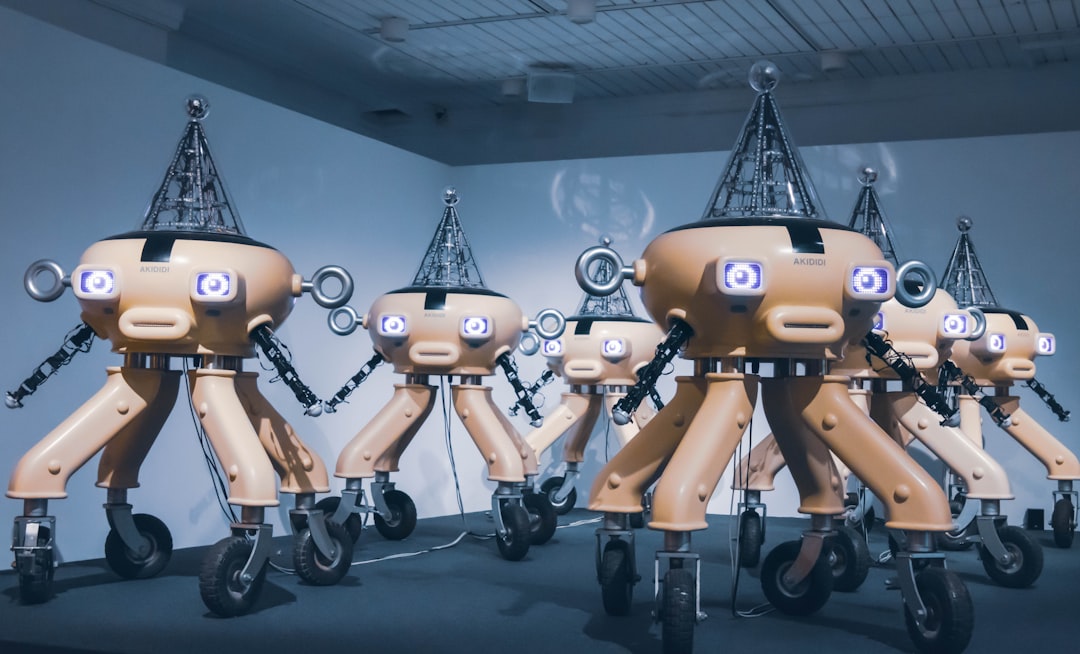
As we embrace this new era, it’s essential to consider the ethical implications. How will society balance the benefits of AI companionship with the need for genuine human connections? The conversation around AI ethics will become increasingly important as we integrate these technologies into our lives.
You may also like
 AI & Technology
Google Elevates Demis Hassabis in AI Leadership Shift
Google's appointment of Demis Hassabis marks a significant shift in AI leadership, emphasizing ethical development and real-world applications amidst departures of key researchers. This change…
Read More →Are we ready to welcome robots as companions in our daily lives, or will we resist this change? The answers to these questions will shape the future landscape of technology and its role in our social fabric.