
In an era where technology drives almost every aspect of our lives, the ability to design chips and optimize software efficiently is crucial. AI is emerging as a game-changer in this domain, democratizing access to these vital resources. This shift could reshape the tech landscape, enabling smaller companies to compete with industry giants.
AI’s potential to enhance chip design and software optimization is significant. Startups like Wafer and Ricursive Intelligence are leading the charge, utilizing AI to streamline processes that have traditionally been labor-intensive and reserved for well-funded corporations. This democratization of technology could lead to a more diverse and innovative tech ecosystem.
AI’s Influence on Chip Design
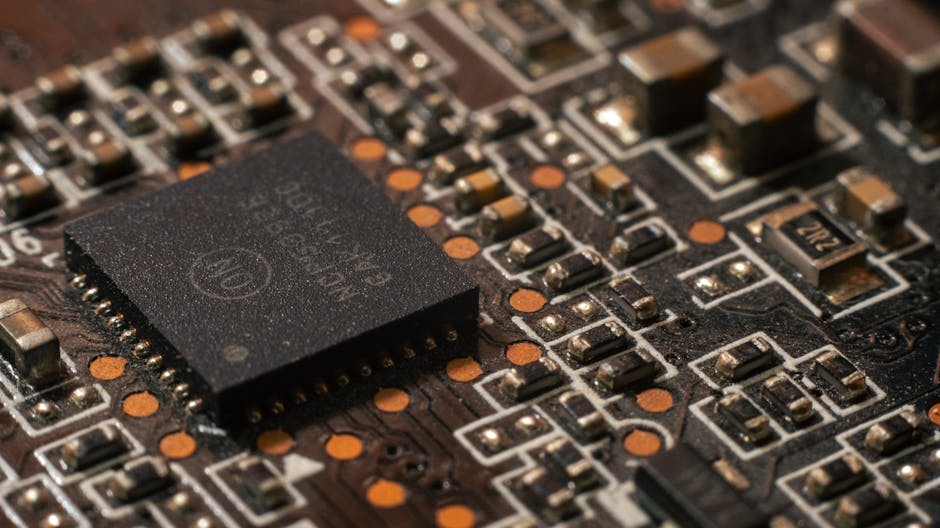
Chip design has long been a complex and costly endeavor, often requiring specialized knowledge and extensive resources. However, advancements in AI are changing this narrative. Companies like Ricursive Intelligence are developing AI systems that can automate parts of the chip design process. This innovation allows engineers to focus on higher-level tasks while AI handles the intricate details.
Ricursive’s approach involves using AI to optimize the layout of chip components, a task that typically demands significant human expertise. By applying machine learning algorithms, Ricursive aims to reduce the time and cost associated with chip design. This could enable more companies to enter the market, fostering competition and innovation. As noted in a recent article by Wired, AI is making it easier to design chips, allowing startups to envision a revolution in chipmaking that could challenge established players like Nvidia, which currently dominates the market.
Moreover, the ability to design chips efficiently can lead to faster development cycles for new technologies. As more firms gain access to these tools, the pace of innovation in hardware is likely to accelerate, benefiting the entire tech industry. The implications are profound; as AI tools become more accessible, we may witness a surge in the number of startups entering the chip design space, each contributing unique innovations.
By applying machine learning algorithms, Ricursive aims to reduce the time and cost associated with chip design.
Transforming Software Optimization with AI
Alongside chip design, AI is also making waves in software optimization. Startups like Wafer are leveraging AI to enhance software performance on various hardware platforms. By utilizing reinforcement learning techniques, Wafer trains AI models to write code that runs more efficiently on specific silicon chips. This capability is particularly valuable as companies increasingly rely on custom hardware to optimize their software.
For instance, major firms like Amazon and AMD are collaborating with Wafer to ensure their software is tailored for maximum efficiency on their respective platforms. This collaboration exemplifies how AI can bridge the gap between hardware and software, leading to improved performance across the board. As highlighted in the Wired article, Wafer’s approach involves using AI to optimize kernel code, which is crucial for software that interacts directly with hardware.
As AI continues to evolve, the gap between skilled software engineers and the demand for their expertise may narrow. AI’s ability to automate code optimization could alleviate some pressure on the labor market, making it easier for companies to maintain high-performance software without needing an extensive team of experts. This shift could lead to a more efficient allocation of human resources, allowing engineers to focus on more strategic initiatives rather than routine optimizations.
Challenges in AI-Driven Innovation
Despite the promising developments, the democratization of chip design and software optimization through AI is not without challenges. For one, the reliance on AI tools raises questions about the need for human expertise. As AI takes on more responsibilities, the role of engineers may shift, leading to concerns about job displacement in the tech sector. The balance between leveraging AI for efficiency and maintaining a skilled workforce will be critical as the industry evolves.
Furthermore, the increasing accessibility of chip design tools may lead to a saturation of the market, where too many players compete for limited resources. This could result in a race to the bottom, where companies prioritize cost-cutting over quality and innovation. As noted in the Wired article, while AI democratizes access to chip design, it also raises the stakes for maintaining high standards in a rapidly evolving landscape.
The balance between leveraging AI for efficiency and maintaining a skilled workforce will be critical as the industry evolves.

Implications for Job Seekers and the Tech Industry
As AI continues to reshape the tech landscape, the future of chip design and software optimization appears bright. As more companies adopt these technologies, we can expect a surge in innovation and efficiency. However, it will be crucial for industry leaders to navigate the challenges that come with this shift, ensuring that the benefits of AI are distributed equitably across the tech landscape.
For young professionals and job seekers, the rise of AI in this field presents both opportunities and challenges. As companies increasingly seek individuals with skills in AI and machine learning, job seekers may need to adapt to remain competitive. Understanding AI’s role in chip design and software optimization could provide a significant advantage in the evolving job market.
Written by Career Ahead AI. AI can make mistakes, so verify key facts. Report errors to support@careeraheadonline.com.