Artificial intelligence could change the jobs of nearly 80 million people in Southeast Asia. A report by the International Labour Organization states that AI may automate or assist tasks in various sectors. However, there is little evidence of large-scale job cuts. This change brings both challenges and opportunities for workers in manufacturing, administrative roles, and retail.
AI’s role in the workforce is a pressing issue for millions in ASEAN. The region is rapidly advancing technologically, changing the nature of work. As AI tools become more common, understanding their effects on job roles is essential for employers and employees.
AI’s Impact on Manufacturing Roles in ASEAN
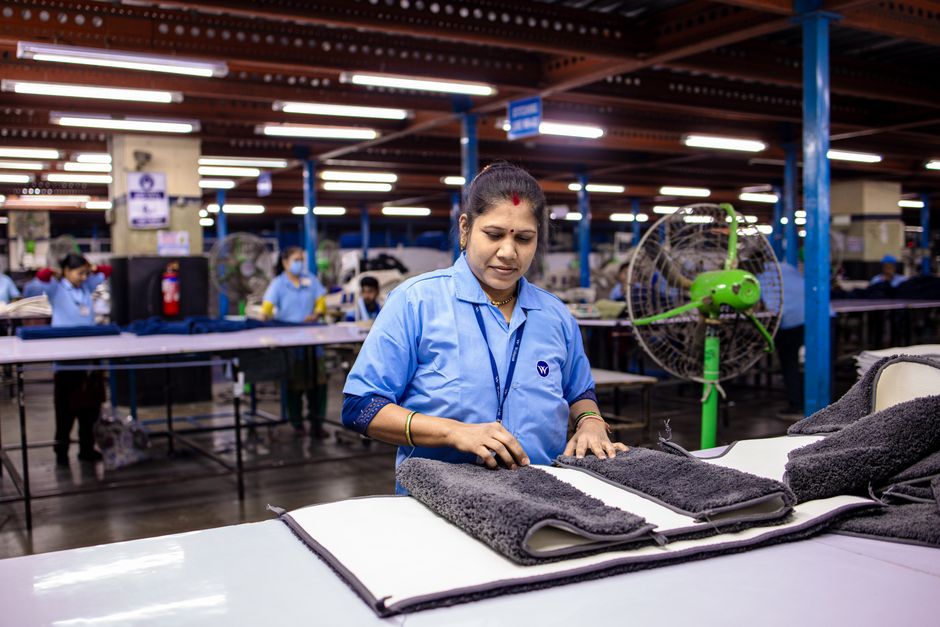
Manufacturing workers in ASEAN are facing major changes due to AI technologies. Career Ahead’s analysis shows that about 22.9% of jobs in ASEAN countries could be automated or assisted by AI. This includes many roles in manufacturing, where automation can improve efficiency and cut costs.
For example, AI-driven robots are streamlining production lines. This leads to faster output and better quality control. However, workers must adapt their skills to stay relevant. Those who can operate, maintain, and troubleshoot AI systems will be in high demand. In contrast, roles focused only on manual tasks may decline.
Additionally, AI can provide valuable data insights that help manufacturers optimize processes. Workers who understand data analysis and can use AI tools will have an advantage. As the industry evolves, collaboration between humans and machines will be key. A workforce that can navigate this new landscape will be essential.
Career Ahead’s research indicates that while some jobs may be at risk, the overall manufacturing job market is not likely to see immediate large-scale cuts. Instead, there will be a shift in the skills needed, pushing workers to adapt.
In this context, workers should enhance their technical skills and embrace lifelong learning.
In this context, workers should enhance their technical skills and embrace lifelong learning. The future of manufacturing in ASEAN will depend on workers’ ability to integrate AI into their tasks.
Transformations in Administrative Tasks Due to AI
 Future Skills & Work
Adani, Kachchh University Launch Centre for Green Jobs
Adani Skills & Education and Kachchh University have launched a Centre of Excellence for Green Energy in Kutch, India, aimed at training over 10,000 students…
Read More →AI is also changing administrative roles across ASEAN. Many administrative professionals find that AI tools can handle routine tasks like scheduling, data entry, and document management. This allows workers to focus on more strategic activities that require critical thinking and interpersonal skills.
According to data from choppity.com, AI-driven software can automate up to 40% of administrative tasks. This significantly reduces the workload for professionals in this sector. As these tools evolve, the demand for workers who can effectively use AI to boost productivity will grow. Administrative professionals must become skilled in AI technologies to stay relevant.
Moreover, AI can improve decision-making by providing insights from data analysis. Workers who can interpret these insights will be highly valued. This change creates opportunities for administrative professionals to move into roles that require a deeper understanding of data and strategic planning.

Career Ahead’s analysis shows that integrating AI in administrative tasks does not mean job losses. Instead, it signals a shift toward a more skilled workforce. Professionals who embrace this change and seek to upskill will likely find new career opportunities.
This change highlights the need for adaptability and continuous learning in the retail workforce.
The Evolving Landscape of Retail Jobs with AI
In retail, AI is changing how businesses interact with customers. AI-driven customer service tools, like chatbots and virtual assistants, are becoming common. These tools allow retailers to provide 24/7 support, enhancing customer satisfaction. However, retail employees must adapt to these new technologies.
Career Ahead’s findings suggest that while some traditional roles may decline, new opportunities will appear in areas like AI management and customer experience strategy. Retail employees who understand how to work with AI tools can enhance sales processes and customer interactions.
 Future Skills & Work
Why Jensen Huang Believes AI Will Create More Jobs
NVIDIA CEO Jensen Huang argues that while AI will disrupt jobs, it will also create new opportunities, emphasizing the importance of adaptability and proactive skill…
Read More →For instance, AI can analyze customer behavior and preferences, helping retailers tailor their offerings. Workers who can use this data to improve customer experience will be in demand. This change highlights the need for adaptability and continuous learning in the retail workforce.
As AI takes on more routine customer service tasks, retail employees can focus on building relationships with customers. This shift could create a more fulfilling work environment, where employees engage in meaningful interactions instead of repetitive tasks.
Overall, integrating AI in retail is not just about job displacement. It’s about evolving job functions that require new skills and approaches. Retail employees who embrace these changes will be better positioned for future success.
As AI continues to develop, the implications for workers in ASEAN are significant. The transformation of job roles in manufacturing, administration, and retail signals a need for ongoing adaptation and skill enhancement.
Manufacturing workers should focus on technical skills related to AI and robotics.
Frequently Asked Questions
What skills should manufacturing workers in ASEAN develop to adapt to AI?
Manufacturing workers should focus on technical skills related to AI and robotics. This includes operating automated systems and data analysis. Understanding how to work with AI tools is crucial for staying relevant.
How can administrative professionals in ASEAN leverage AI tools in their roles?
Administrative professionals can use AI tools to automate routine tasks. This allows them to focus on strategic activities. Upskilling in data analysis and AI software will enhance productivity and career prospects.

What changes should retail employees in ASEAN expect with the rise of AI?
Retail employees can expect changes in customer interaction processes, with AI handling routine tasks. This shift will create opportunities for employees to engage in more personalized customer service and strategic roles.
 Future Skills & Work
Bill Gates Advocates for Human-Reserved Jobs Amid AI Threat
Bill Gates emphasizes the importance of 'human-reserved' jobs in a recent essay, arguing that certain roles should remain untouched by AI to preserve human empathy…
Read More →Sources: Choppity, Bing, Programs.
Written by Career Ahead AI. AI can make mistakes, so verify key facts. Report errors to support@careeraheadonline.com.