No products in the cart.

AI Data Centers Transforming Industrial Cities

The rapid growth of AI data centers is reshaping urban landscapes, particularly in industrial cities like Philadelphia, where community activists are raising concerns about environmental impacts and economic benefits.

City, United States — The rapid growth of AI data centers is changing urban development. This is especially true in cities with a history of industrialization. Recent talks about building new data centers promise economic growth. However, they also raise environmental concerns among residents. Urban planners and data center engineers face both opportunities and challenges in making these facilities sustainable.
The debate over AI data centers is heating up, particularly in places like Philadelphia. Local activists are opposing proposed constructions. Residents worry about increased pollution and energy use, reflecting the industrial past of their neighborhoods. This situation shows the need for careful planning and community involvement in developing AI infrastructure. A recent TechCrunch article notes that many Americans are concerned about data centers in their areas. They fear the environmental and energy impacts that come with these developments. Activists like Shawmar Pitts, who have seen the negative effects of industrialization, stress the need to address these issues before moving forward.
Challenges of Integrating AI Data Centers in Urban Areas
AI data centers need a lot of energy, which increases demand on local utilities. BloombergNEF predicts that by 2035, U.S. data centers will consume more natural gas than Germany and Japan combined. This raises alarms about the environmental impact, especially in cities already dealing with pollution from past industries. Urban planners must tackle these energy needs while ensuring the long-term sustainability of their cities. Many urban areas are still recovering from environmental damage caused by previous industrial activities, making the integration of new facilities a contentious issue.
Additionally, building data centers can worsen existing inequalities in urban areas. Many communities, especially those affected by industrial pollution, are cautious about new developments that may not directly benefit them. In Philadelphia, local leaders have called for a pause on data center construction until more information is available about their impacts. This highlights the need to align new projects with community needs and environmental justice. The TechCrunch article also points out that while data center companies promise job creation and economic growth, these benefits often do not reach the residents most affected by environmental changes. This disconnect can lead to mistrust between communities and developers. Urban planners need to promote open dialogue and transparency in the planning process.
As urban planners face these challenges, they should also consider revitalizing underused industrial sites. Converting old factories into AI data centers could help struggling neighborhoods. However, this requires balancing economic development with environmental care. Career Ahead analysis shows that successful integration of data centers into urban areas depends on sustainable practices, community involvement, and clear decision-making. The potential for revitalization is significant, but it must be approached carefully to ensure benefits are shared among all community members.
Career Ahead analysis shows that successful integration of data centers into urban areas depends on sustainable practices, community involvement, and clear decision-making.
Moreover, the noise and pollution from data centers can lead to community pushback. Residents often fear these facilities will harm their environment and quality of life. Urban planners must engage with these communities to address their worries and show how data centers can coexist with residential areas. This engagement is vital for building trust and ensuring developments are accepted rather than resisted. As noted in the TechCrunch report, local residents’ voices are crucial in shaping urban planning’s future. Their concerns must be taken seriously to avoid repeating past mistakes.
You may also like
 Industry & Global Trends
US Solar Panel Makers Try to Catch China With a Big Leap
As of October 2026, US solar panel manufacturers are making significant strides in technology, particularly with tandem solar panels, to enhance efficiency and regain market…
Read More →Opportunities for Urban Revitalization and Economic Growth
Despite the challenges, the rise of AI data centers offers significant opportunities for urban revitalization. These facilities can create jobs and boost local economies, especially in areas recovering from industrial decline. Data centers need various skilled workers, from engineers to maintenance staff, which can open new job opportunities for local residents. This potential for job creation is especially important in cities that have faced economic downturns due to the decline of traditional industries.
Furthermore, AI data centers can attract tech companies and startups to urban areas, further enhancing economic growth. Cities can become tech hubs, drawing in investment and talent. However, this potential can only be realized if urban planners actively create an environment that encourages innovation while addressing existing communities’ concerns. Career Ahead research indicates that successful urban planning in this context requires comprehensive strategies that include sustainability and community input. By prioritizing green building practices, such as using renewable energy and efficient cooling systems, urban planners can reduce the environmental impact of data centers. These strategies benefit the environment and improve public perception of data centers as responsible corporate citizens.
Additionally, cities can use the technological advancements linked to AI data centers to enhance urban infrastructure. Smart city initiatives, which use data and technology to improve urban living, can be integrated with AI data centers. This collaboration can lead to better public services, transportation systems, and energy management, benefiting residents and businesses alike. As cities increasingly adopt smart technologies, integrating AI data centers can spark broader urban innovation, leading to more efficient and sustainable urban environments.
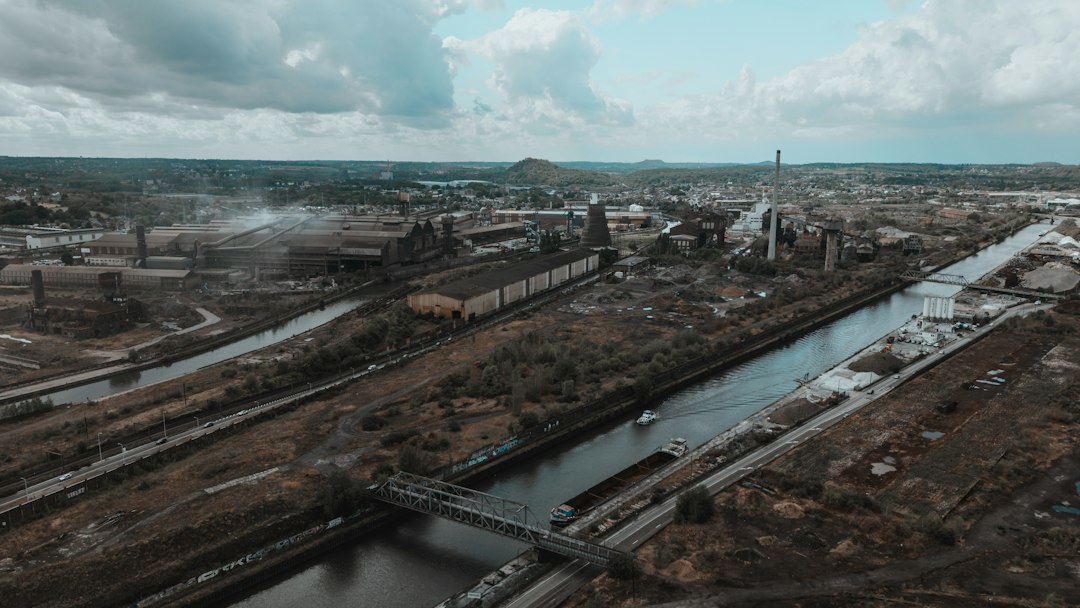
As the demand for AI data centers grows, urban planners must stay alert. They need to balance the need for economic growth with environmental sustainability, ensuring that the mistakes of industrialization do not repeat in the AI era. Lessons from past industrial practices should guide future developments, helping planners create urban spaces that are both economically vibrant and environmentally responsible.
Lessons from past industrial practices should guide future developments, helping planners create urban spaces that are both economically vibrant and environmentally responsible.
The future of urban planning regarding AI data centers will likely involve stricter regulations and community engagement strategies. In New York, Governor Kathy Hochul signed an executive order to pause new permits for large projects. This shows policymakers are starting to recognize the need for a more cautious approach to data center development. This trend may indicate a shift toward prioritizing community concerns and environmental sustainability over rapid economic growth.
You may also like
 Industry & Global Trends
Škoda Auto India Aims for Record Sales Growth
Škoda Auto India is targeting an 8-10% growth in sales for the current year, aiming to achieve its highest-ever sales volume.
Read More →Moreover, cities that successfully integrate AI data centers into their urban fabric could serve as models for others facing similar challenges. As these facilities become more common, best practices will emerge, emphasizing the importance of collaboration among data center developers, urban planners, and local communities. This collaboration is crucial for creating sustainable urban environments that benefit all stakeholders.
Looking ahead, urban planners and engineers must keep an eye on the changing landscape of AI data centers. As technology advances, the needs and impacts of these facilities will evolve, requiring ongoing adjustments in urban planning strategies. The ability to anticipate and respond to these changes will determine the success of urban environments in the AI era.
Ultimately, the intersection of AI data centers and urban development presents a complex landscape filled with challenges and opportunities. How cities navigate this intersection will shape their futures, determining whether they can harness the benefits of technological advancement while protecting the health and well-being of their communities.
Frequently Asked Questions
What are the best practices for data center engineers in urban settings?
Career Ahead analysis shows that data center engineers should focus on sustainable design and energy efficiency. Using renewable energy sources and efficient cooling systems can help reduce environmental impacts while ensuring effective operations.
Career Ahead analysis shows that data center engineers should focus on sustainable design and energy efficiency.
How can urban planners address the challenges posed by AI data centers?
Urban planners can engage with local communities to address concerns and include their feedback in development plans. They should also prioritize sustainable practices and consider the long-term effects of data center construction on urban areas.
What sustainability measures should consultants recommend for new data centers?
You may also like
 Industry & Global Trends
HFCL Stock Rises Amid AI, Defence Demand
HFCL's stock has tripled in the last six months, driven by a surge in orders for artificial intelligence and defence, indicating a growing demand for…
Read More →Consultants should suggest using renewable energy, efficient cooling technologies, and eco-friendly construction materials. These measures can help reduce the carbon footprint of data centers and align with urban sustainability goals.