No products in the cart.

AI Disruption Fuels Career Transitions

The rapid advancement of artificial intelligence (AI) raises significant concerns about its potential risks and societal implications. Experts emphasize the importance of focusing on human factors in AI deployment and the need for robust ethical frameworks and regulatory policies.

Recent discussions surrounding artificial intelligence (AI) have sparked widespread concern about its potential dangers. Experts have addressed pressing questions about what individuals can do to mitigate these risks. This dialogue is especially relevant for tech ethicists, policymakers, and software engineers, who play crucial roles in shaping the future of AI.
The ongoing conversation about AI threats has highlighted significant fears, including scenarios where AI could cause societal collapse or even harm individuals directly. Experts emphasize that while AI poses risks, the focus should be on the systems and people managing this technology rather than on the technology itself. This perspective is crucial for understanding how to approach AI responsibly.
The Reality of AI Threats
In a recent article, experts from various fields explored the question of whether AI could truly lead to catastrophic outcomes. They noted that while the technology has advanced rapidly, the likelihood of an AI-driven apocalypse is exaggerated. For instance, the ability of AI to control weapons systems or cause widespread chaos is more a reflection of human error than inherent flaws in AI itself. As reported by the Guardian, the real threat lies in how humans choose to deploy AI technologies, particularly in sensitive areas like military applications.
Moreover, historical context reveals that each technological advancement has been met with fears of doom. The experts argue that while AI’s capabilities are impressive, they do not inherently possess agency or intention. This distinction is vital for tech ethicists and policymakers as they work to create frameworks that govern AI development responsibly. By focusing on the human factors involved, stakeholders can better address potential risks associated with AI.
Career Ahead’s analysis identifies that the current narrative around AI threats often relies on sensationalism rather than grounded evidence. Many warnings about uncontrolled AI stem from a limited number of incidents that have been cherry-picked to support alarmist viewpoints. This misrepresentation can lead to unnecessary panic and distract from the real issues that need addressing, such as ethical guidelines and regulatory measures for AI deployment. Experts from AOL have echoed this sentiment, emphasizing that the discourse surrounding AI should be grounded in factual analysis rather than fear-driven rhetoric.
As AI continues to evolve, it is essential for professionals in the tech industry to remain vigilant and informed.
As AI continues to evolve, it is essential for professionals in the tech industry to remain vigilant and informed. The discourse around AI safety should prioritize developing robust ethical frameworks and regulatory policies that can adapt to emerging technologies. This proactive approach will help mitigate risks and foster a more responsible AI landscape. Additionally, the potential for AI to enhance human capabilities should not be overlooked; when applied ethically, AI can lead to significant advancements in various fields, including healthcare, education, and environmental sustainability.
Implications for Tech Ethicists and Policymakers
The discussions surrounding AI threats also highlight the critical role of tech ethicists and policymakers in shaping the future of AI. As AI technologies become more integrated into society, ethical considerations must be at the forefront of development and deployment. Career Ahead research finds that the increasing complexity of AI systems necessitates a thorough examination of their societal implications, particularly concerning privacy, security, and accountability. This complexity is compounded by the rapid pace of AI advancements, which can outstrip existing regulatory frameworks.
Policymakers are tasked with creating regulations that ensure AI technologies are used responsibly. This includes establishing guidelines that prevent misuse while promoting innovation. Experts suggest that effective regulation should be flexible enough to adapt to rapid technological advancements while providing a clear framework for accountability. This balance is crucial for fostering public trust in AI technologies. The need for international cooperation in AI governance is also becoming increasingly apparent, as AI systems often transcend national borders, creating challenges for unilateral regulatory efforts.
Furthermore, tech ethicists must engage in continuous dialogue with developers and policymakers to ensure that ethical considerations are integrated into the design and implementation of AI systems. This collaboration can help identify potential risks early in the development process and create solutions that prioritize human welfare. As highlighted by Rocket News, the integration of ethical frameworks into AI development is not just a regulatory necessity but a moral imperative, ensuring that technology serves humanity rather than undermines it.
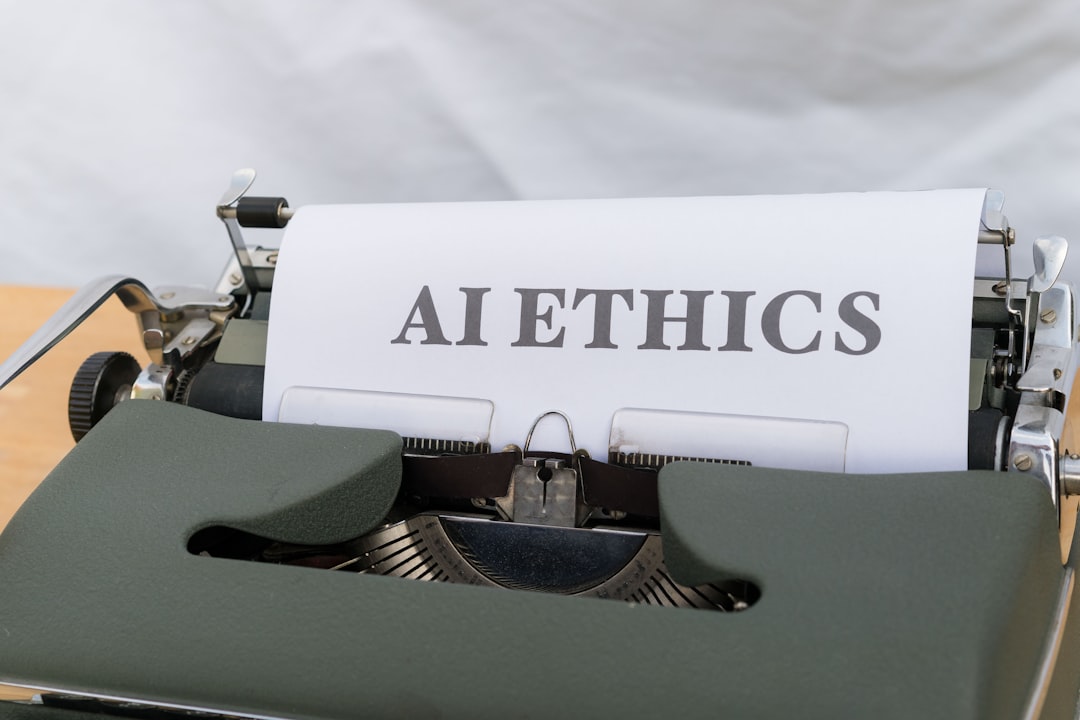
As the global landscape for AI regulation evolves, it is vital for tech ethicists and policymakers to collaborate on creating a cohesive framework. This framework should address not only the immediate risks but also the long-term implications of AI technologies on society. By establishing a proactive approach, these stakeholders can work together to create a safer and more equitable future. The emphasis on ethical AI development is not merely about avoiding risks; it is about harnessing the full potential of AI to improve lives and address pressing global challenges.
One of the key areas to watch is the development of global regulatory frameworks for AI.
The conversation about AI is far from over, and its implications for society are still unfolding. As new technologies emerge, the need for ongoing dialogue among tech ethicists, policymakers, and industry professionals becomes increasingly important. The future of AI will depend on how effectively these groups can navigate the challenges and opportunities presented by this powerful technology.
One of the key areas to watch is the development of global regulatory frameworks for AI. As countries grapple with the implications of AI technologies, international cooperation will be essential for creating standards that protect citizens while fostering innovation. The potential for divergent regulatory approaches could create challenges, making it crucial for stakeholders to engage in meaningful discussions about best practices.
Moreover, as AI continues to evolve, the workforce will need to adapt to new realities. This includes not only developing technical skills but also fostering an understanding of the ethical implications of AI technologies. Professionals across various sectors will need to be equipped to engage with AI responsibly, ensuring that they contribute positively to its development.
In this rapidly changing landscape, the question remains: how will society balance the benefits of AI with the potential risks? As discussions continue, the focus should remain on cultivating a responsible approach to AI that prioritizes human welfare and ethical considerations.
Frequently Asked Questions
What ethical considerations should tech ethicists focus on regarding AI?
Tech ethicists should prioritize issues such as privacy, accountability, and the societal impact of AI technologies. These considerations are crucial for ensuring that AI systems are developed and deployed responsibly.
What skills should software engineers develop to ensure responsible AI deployment?
What policies are being proposed to regulate AI technologies?
Proposed policies include creating flexible regulatory frameworks that adapt to technological advancements while ensuring accountability and preventing misuse of AI technologies. This approach aims to foster innovation while protecting public interests.

What skills should software engineers develop to ensure responsible AI deployment?
Software engineers should focus on developing a strong understanding of ethical implications and regulatory requirements related to AI technologies. This knowledge will help them create systems that prioritize human welfare and comply with emerging standards.
Related Articles
- Mistral’s $3.5 Billion Boost Reshapes AI Startup Landscape
Written by Career Ahead AI. AI can make mistakes, so verify key facts. Report errors to support@careeraheadonline.com.