India’s higher education system is at a pivotal juncture. Dishan Kamdar, Vice-Chancellor of FLAME University, emphasizes the urgent need to dismantle barriers in education. He argues that universities must evolve their teaching methods and curricula to prepare students for a future where adaptability is essential.
Kamdar’s insights come as institutions worldwide grapple with the integration of AI into their programs. He contends that the traditional liberal education model must shift focus. It should not only equip students for their first job but also cultivate skills for multiple careers throughout their lives. This transformation is crucial as the job market increasingly demands versatility and creativity from graduates.
Transforming Pedagogy for the AI Age
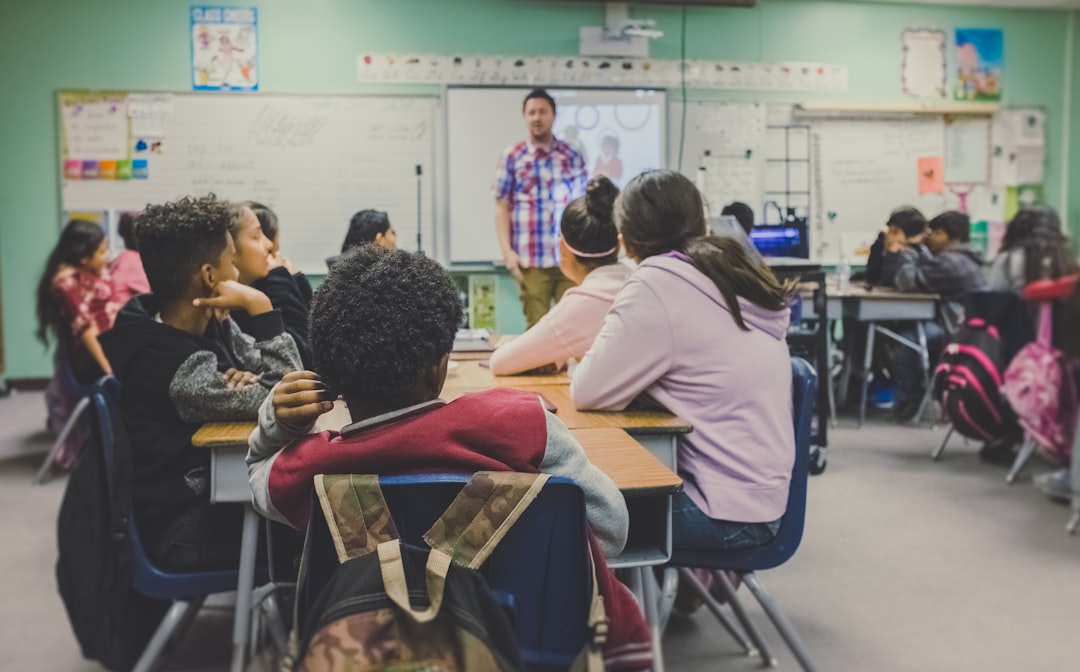
A central tenet of Kamdar’s vision is the redefinition of teaching methods in response to AI advancements. He acknowledges that while AI can enhance learning, it cannot replace critical thinking and ethical reasoning derived from human interaction. At FLAME University, the emphasis is on holistic development, which encompasses emotional and social intelligence alongside academic learning.
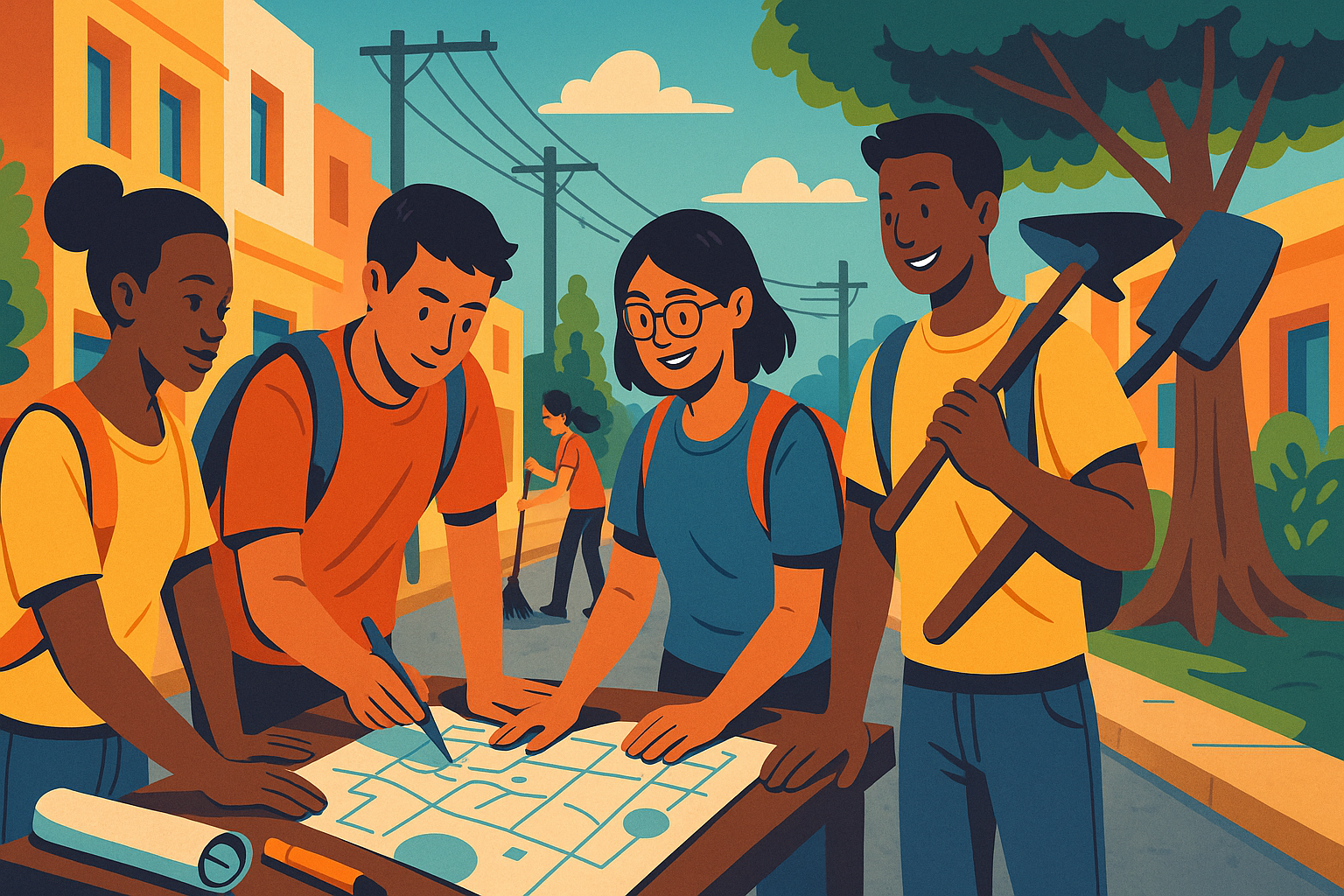
Kamdar underscores the significance of experiential learning, asserting that hands-on projects and peer interactions are vital for fostering resilience and teamwork skills necessary in today’s workforce. This approach aligns with research indicating that active learning environments enhance understanding and knowledge retention.
Furthermore, Kamdar highlights that traditional assessment methods are becoming obsolete. With AI capable of generating essays and reports, universities must innovate their evaluation strategies. He advocates for assessments that prioritize critical questioning and comprehension over rote memorization, ensuring students can effectively apply their knowledge in real-world contexts.
To exemplify this, Kamdar references FLAME’s innovative curriculum, which incorporates live projects and industry collaboration. By tackling real-world challenges in the classroom, students gain practical experience that enhances their employability, preparing them for immediate job opportunities and equipping them to adapt throughout their careers.
At FLAME, a mentorship program connects students with faculty and industry professionals, aiding them in exploring various career paths and making informed decisions about their futures.
In this framework, mentorship plays a crucial role. Kamdar emphasizes the importance of guiding students through their educational journeys. At FLAME, a mentorship program connects students with faculty and industry professionals, aiding them in exploring various career paths and making informed decisions about their futures.
Fostering Interdisciplinary Learning
Kamdar asserts that breaking down disciplinary silos is vital for fostering interdisciplinary learning. He notes that many real-world challenges do not conform to a single academic field. The National Education Policy of India supports this shift, advocating for creativity and innovation in education.
By encouraging students to engage with multiple disciplines, universities can cultivate a more adaptable workforce. For instance, a psychology student can gain insights from economics, while an engineering student might benefit from the humanities. This interdisciplinary approach enriches the learning experience and prepares students to confront complex challenges in their careers.
Moreover, Kamdar emphasizes the necessity for flexibility in curriculum design. Universities must adapt their programs in response to emerging trends and technologies, necessitating ongoing faculty development to ensure educators can effectively teach new subjects and methods.
As institutions like FLAME University lead the charge in reimagining higher education, the implications for students are profound. Graduates will enter a workforce that values adaptability and interdisciplinary knowledge, positioning them for success in a dynamic job market.
Addressing the Role of AI in Education
With AI reshaping traditional notions of learning and knowledge, Kamdar argues that the core purpose of education should remain holistic development. While academic intelligence is crucial, emotional, cultural, social, and aesthetic dimensions are equally important. AI may disrupt academic intelligence, but other forms of intelligence are cultivated through peer interactions and experiential opportunities within the university.
Addressing the Role of AI in Education With AI reshaping traditional notions of learning and knowledge, Kamdar argues that the core purpose of education should remain holistic development.
At FLAME, the university’s residential model fosters a vibrant student life with over 50 clubs and a strong emphasis on sports, teaching resilience, teamwork, and ambition—qualities that cannot be outsourced to machines. Kamdar believes that AI will not replace teachers; rather, it will transform their roles from knowledge disseminators to architects of the student learning experience.
Innovating Assessment Methods
As AI challenges conventional assessment methods, Kamdar advocates for a balanced approach. Traditional examinations primarily test memory, but with AI’s capabilities, universities must rethink how they evaluate student understanding. He suggests that assessments should focus on whether students can ask the right questions, comprehend answers, and defend their reasoning.
This may necessitate a return to some traditional assessment forms, such as paper-and-pencil tests and oral examinations, while integrating new methods that reflect the realities of AI in the workplace.
Preparing for the Future of Higher Education
As we look toward 2030, Kamdar identifies three critical changes needed in Indian universities: breaking down disciplinary boundaries, rethinking teaching and learning, and fostering agility in curriculum design. The National Education Policy encourages interdisciplinary approaches, and universities must adapt to prepare students for a rapidly changing job market.
Ultimately, the evolution of teaching, learning, and assessment must occur in tandem. As higher education continues to transform, the demand for innovative, interdisciplinary approaches will only intensify.
Liberal arts faculty should develop interdisciplinary programs that blend traditional liberal arts education with practical skills, including partnerships with industry to create relevant coursework and experiential learning opportunities.

Frequently Asked Questions
How can higher education administrators implement AI in their programs?
Higher education administrators can integrate AI by redesigning curricula to include AI literacy across disciplines and training faculty to effectively use AI tools in teaching and assessment.
What strategies should liberal arts faculty adopt to enhance employability?
Liberal arts faculty should develop interdisciplinary programs that blend traditional liberal arts education with practical skills, including partnerships with industry to create relevant coursework and experiential learning opportunities.
What should curriculum designers consider when integrating AI into courses?
Curriculum designers must consider the ethical implications of AI and ensure students learn to use AI tools critically, focusing on fostering essential skills like critical thinking and problem-solving in an AI-driven job market.
Written by Career Ahead AI. AI can make mistakes, so verify key facts. Report errors to support@careeraheadonline.com.