No products in the cart.

AI-Driven Sports Training Market Set to Grow at 9.1% CAGR
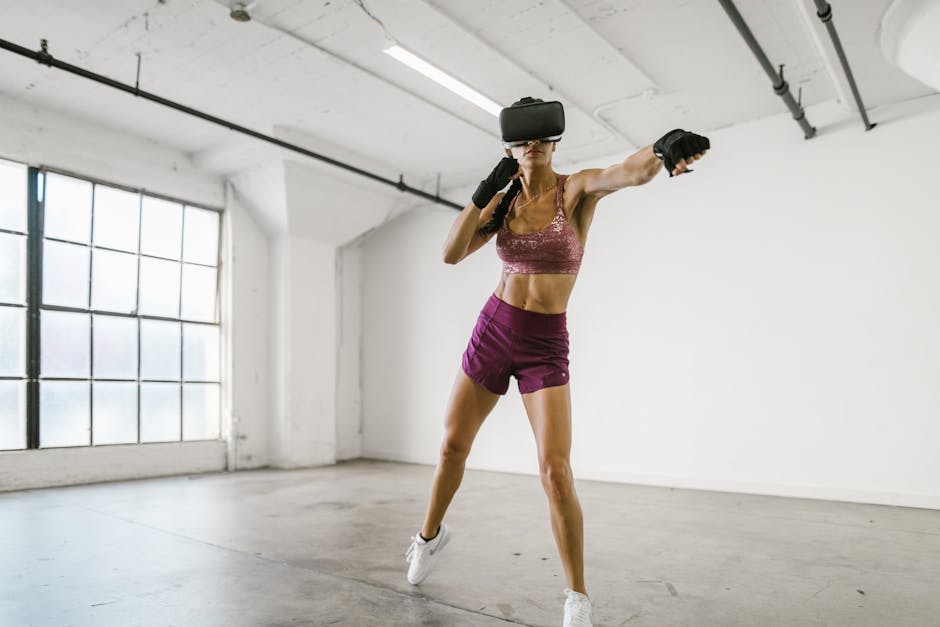
The AI-driven sports training market is projected to grow at a CAGR of 9.1% by 2030, transforming athlete performance and coaching strategies.

The sports training AI market is experiencing a notable surge, projected to grow at a compound annual growth rate (CAGR) of 9.1% from 2025 to 2030. This growth is driven by advancements in technology and the increasing demand for personalized training solutions that enhance athlete performance.
This rapid expansion signifies a shift in how athletes and coaches approach training regimens. With AI tools, coaches can now analyze performance metrics in real-time, optimizing training plans tailored to individual needs. This development is particularly relevant as professional and amateur sports organizations alike seek competitive advantages.

 Career Development
Hacking Your College Experience: Beyond Classrooms
Forget Netflix marathons & late-night pizza (well, maybe not entirely ). College is your launchpad to future domination! But don't…
Read More →The sports training market has evolved significantly over the past decade. According to a report by Market.us, the AI sports training sector alone was valued at approximately $1.3 billion in 2025 and is expected to reach around $2.5 billion by 2030. This growth reflects a broader trend in the integration of technology within athletic training, which has become more data-driven and personalized.
This growth reflects a broader trend in the integration of technology within athletic training, which has become more data-driven and personalized.
Coaches and athletes are increasingly utilizing AI-driven platforms like Catapult Sports and TrainHeroic, which provide insights into physical performance and recovery. Catapult Sports, for instance, offers wearable technology that tracks athletes’ movements and provides feedback on their biomechanics. Such data is invaluable for optimizing training sessions and minimizing injury risks.
Moreover, the COVID-19 pandemic accelerated the adoption of virtual training solutions. As gyms and training facilities closed, many turned to online platforms for coaching. Companies like Peloton and Zwift have pioneered this shift, demonstrating the feasibility of remote training and fostering a more extensive acceptance of AI tools in the fitness community.
Despite the promising outlook, the AI sports training market faces challenges. Data privacy concerns are paramount as athletes’ performance data is increasingly shared and analyzed. Ensuring robust security measures will be crucial as the industry evolves. Furthermore, there is the question of accessibility; while elite athletes may benefit from high-end AI solutions, amateur athletes might find these tools financially out of reach.
 Career Options
India’s Chandrayaan-3 Mission: Pioneering Lunar Exploration
Explore India's Chandrayaan-3 mission, an ambitious endeavor to land on the moon's south pole. Discover its scientific goals, technological advancements,…
Read More →Industry experts suggest that the market’s future hinges on striking a balance between advanced technology and user accessibility. As AI tools become more prevalent, educational initiatives aimed at coaches and trainers will be essential to ensure they can effectively utilize these technologies.
Looking ahead, the integration of AI in sports training is anticipated to deepen. With ongoing advancements in machine learning and data analytics, we may soon see AI that not only analyzes but also predicts athlete performance outcomes. This capability could revolutionize training methodologies, allowing for preemptive adjustments to training regimens based on predictive analytics.
As AI tools become more prevalent, educational initiatives aimed at coaches and trainers will be essential to ensure they can effectively utilize these technologies.
In conclusion, the sports training AI market is poised for significant growth, reshaping how athletes train and perform. As technology continues to innovate, the lines between human intuition and machine learning will blur, creating a new era in sports training. The question remains: how will athletes and coaches adapt to this evolving landscape, and what new opportunities will arise from these advancements?