No products in the cart.

AI in Solar Energy: Smarter Grids, New Green Jobs
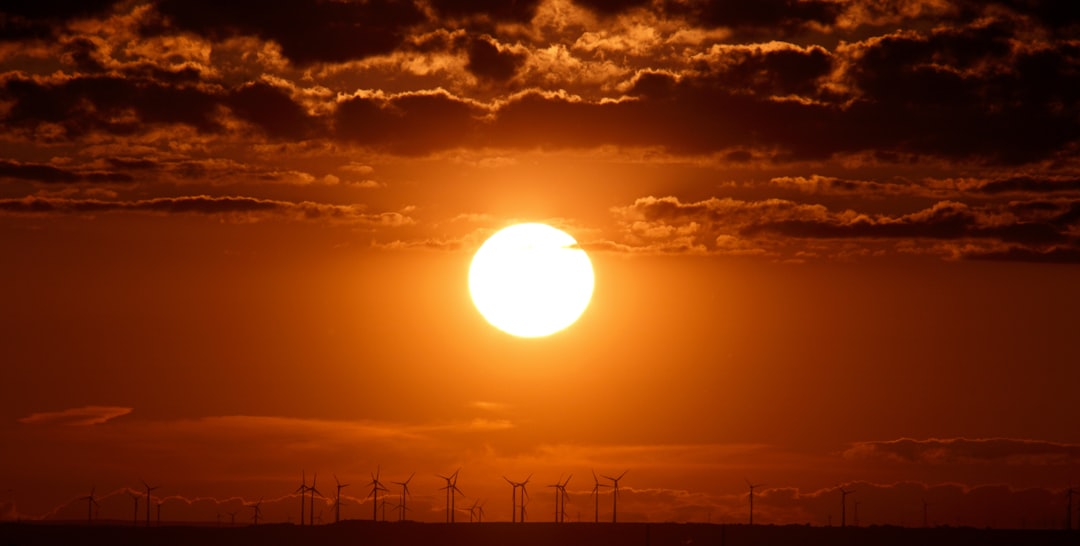
The integration of AI in solar energy is creating new job opportunities and transforming the industry. Discover how you can be part of this green revolution.

San Francisco, USA — The solar energy sector is witnessing a transformative wave driven by artificial intelligence (AI). As the world shifts towards sustainable energy solutions, AI is not just optimizing solar panel efficiency; it’s also reshaping the job landscape. From AI-driven solar panel optimization to predictive maintenance and renewable grid management, new career paths are emerging, promising a future where technology and sustainability go hand in hand.
Why does this matter now? As global energy demands rise, and the urgency to combat climate change intensifies, the integration of AI in renewable energy systems is critical. The International Energy Agency (IEA) projects that solar power could provide up to 30% of the world’s electricity by 2030. This rapid growth necessitates a skilled workforce capable of leveraging AI technologies to enhance efficiency and reliability in solar energy systems.
AI is revolutionizing solar panel optimization. Companies like SunPower and First Solar are utilizing machine learning algorithms to analyze weather patterns, energy consumption data, and panel performance metrics. This data-driven approach allows for real-time adjustments to maximize energy output. For instance, SunPower’s AI platform can predict energy generation based on historical weather data, enabling better energy management for both consumers and utilities.
 Career Challenges
Amazon’s Workforce Faces Uncertainty Amid Job Cuts
Amazon is set to cut 14,000 jobs, causing widespread anxiety among employees concerned about their futures and mental health.
Read More →Moreover, predictive maintenance powered by AI is becoming a game-changer in the industry. Traditional maintenance schedules often lead to unnecessary costs and downtime. By employing AI, companies can monitor solar equipment continuously, predicting failures before they occur. Enphase Energy, a leader in solar microinverters, uses AI to analyze performance data from its products, allowing technicians to address issues proactively rather than reactively. This not only reduces maintenance costs but also enhances system reliability and longevity.
Companies like SunPower and First Solar are utilizing machine learning algorithms to analyze weather patterns, energy consumption data, and panel performance metrics.
Renewable grid management is another area where AI is making significant strides. As more solar energy is integrated into power grids, managing supply and demand becomes increasingly complex. AI algorithms can optimize grid operations by forecasting energy demand and adjusting the energy mix accordingly. Siemens has been at the forefront of this innovation, deploying AI to enhance grid stability and efficiency, particularly in regions heavily reliant on renewable sources.

These advancements are not just technological; they are creating a plethora of new job opportunities. According to a report by the International Renewable Energy Agency (IRENA), the global renewable energy sector employed 12 million people in 2020, with solar energy accounting for the largest share. As AI technologies continue to evolve, the demand for skilled workers in AI-driven solar energy roles is expected to surge.
Educational institutions are already adapting to this shift. Programs focused on AI, data analytics, and renewable energy technologies are becoming more prevalent. Universities such as Stanford and MIT are offering specialized courses that equip students with the necessary skills to thrive in this new job market. Additionally, online platforms like Coursera and edX provide accessible learning opportunities for individuals looking to transition into this field.
 Entrepreneurship
Harnessing Design Thinking for Social Change
Design thinking is transforming social innovation across the globe, driving human-centered solutions that address pressing challenges.
Read More →The skills required for these emerging roles include data analysis, machine learning, and a solid understanding of renewable energy systems. Professionals who can bridge the gap between technology and energy will be in high demand. This creates an exciting opportunity for those willing to invest in their education and adapt to new technologies.
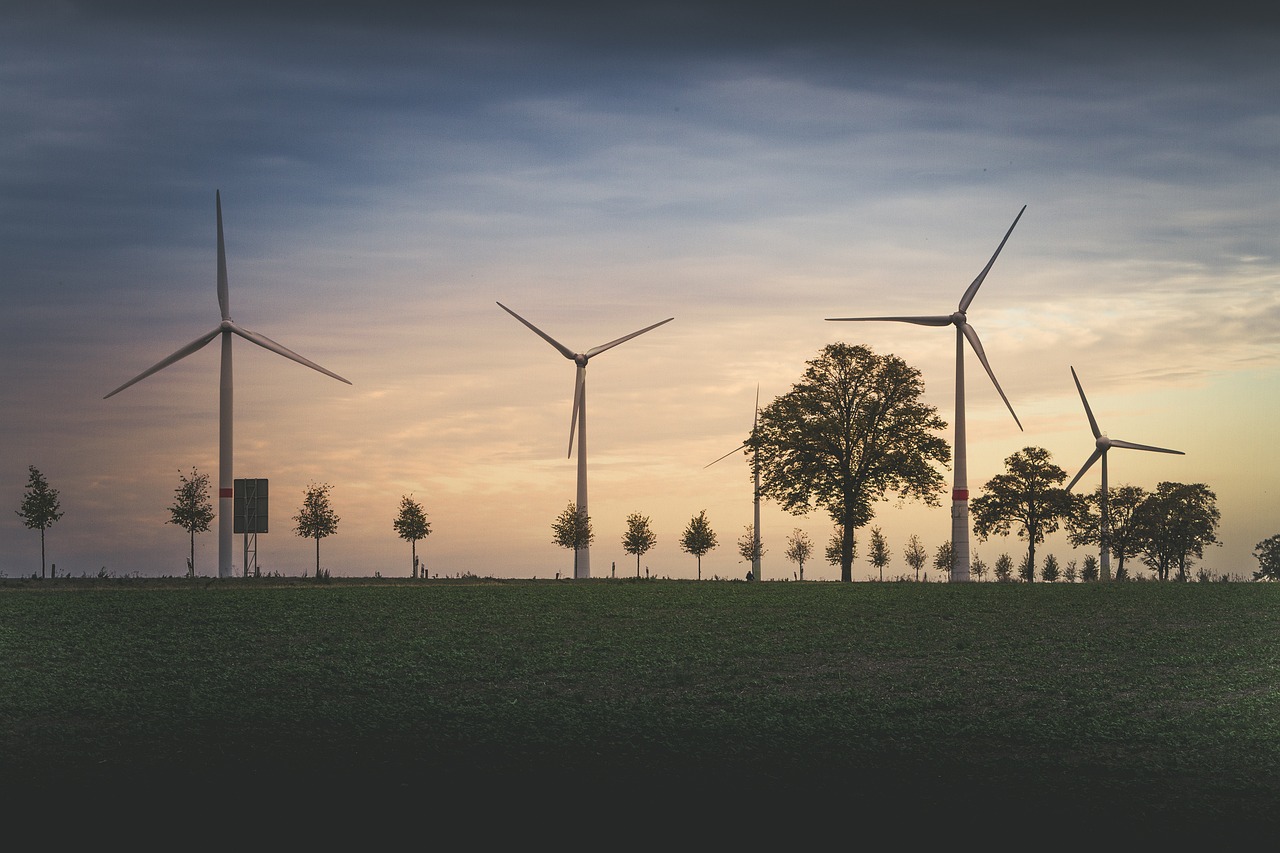
As companies increasingly prioritize sustainability, they are also focusing on diversity and inclusion within the workforce. Initiatives aimed at attracting underrepresented groups into STEM fields are gaining traction, ensuring a broader range of perspectives in the development of AI technologies for solar energy.
Universities such as Stanford and MIT are offering specialized courses that equip students with the necessary skills to thrive in this new job market.
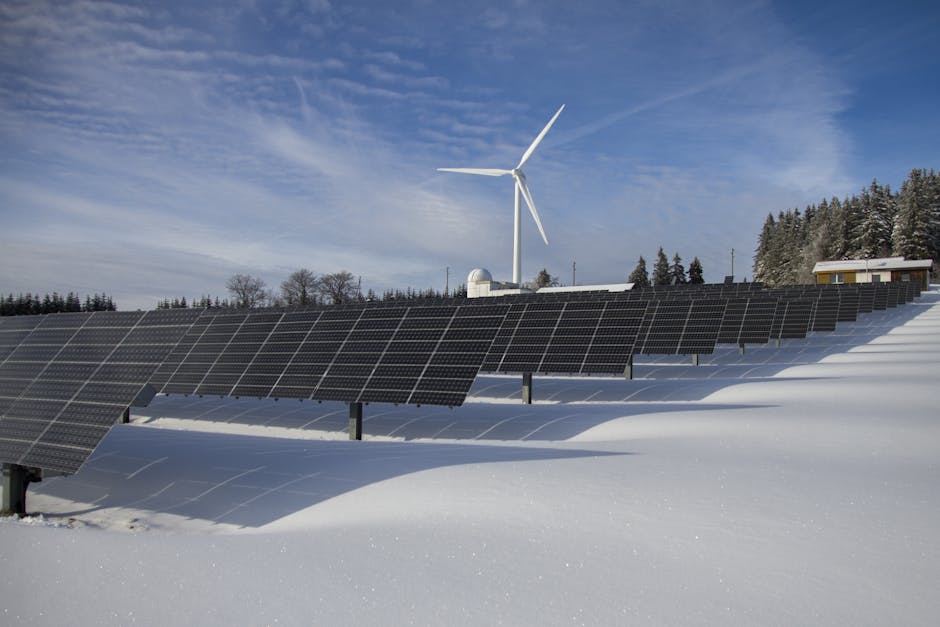
Looking ahead, the intersection of AI and solar energy presents a compelling vision for the future. With advancements in technology and a growing commitment to sustainability, the potential for innovation is vast. The U.S. Department of Energy has set ambitious goals for solar energy deployment, aiming for 20% of the nation’s electricity to come from solar by 2030. Achieving this will require not only technological innovation but also a workforce ready to embrace new challenges.
 News
NewsIIT Madras named Most Innovative Institute
Career Ahead Banking & FinanceUS Dollar Declines Amid Federal Reserve Outlook and Government ShutdownThe US dollar weakened as concerns about…
Read More →As the solar energy sector continues to grow, what steps will you take to prepare for the careers of tomorrow? Are you ready to harness the power of AI in your professional journey?