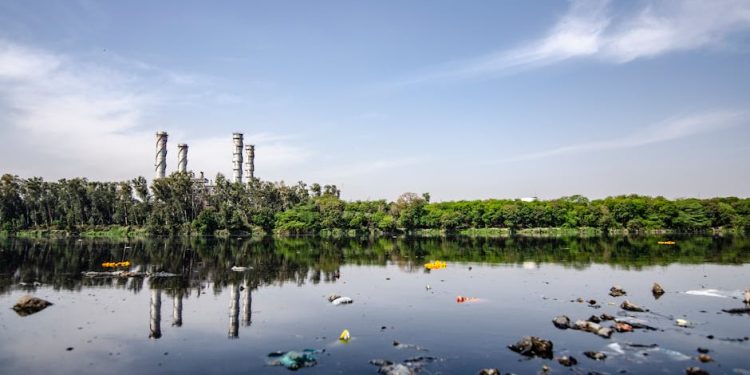
New Delhi, India, faces severe pollution issues, leading to construction halts as India tightens regulations. This move highlights urgent environmental concerns and its impact on local economies.
New Delhi, India — The Indian government has enacted stringent pollution control measures in New Delhi, leading to an immediate halt on construction activities across the city. This decision comes as part of a broader strategy to combat the alarming levels of air pollution that have plagued the capital, particularly during the winter months. With air quality deteriorating to hazardous levels, the government is prioritizing public health and environmental sustainability.
According to recent reports, New Delhi has consistently ranked among the world’s most polluted cities. The air quality index (AQI) often soars well past safe limits, leading to serious health risks for residents. Children, the elderly, and those with pre-existing health conditions are particularly vulnerable to the adverse effects of poor air quality. The government’s decision to halt construction is a direct response to these escalating health concerns.
This move is significant not only for environmental reasons but also for economic ones. Construction projects are vital to the local economy, providing jobs and contributing to urban development. However, the government argues that without immediate action to improve air quality, the long-term health costs could outweigh the short-term economic benefits. The halt on construction is expected to affect numerous ongoing projects, including residential buildings, commercial spaces, and infrastructure developments.
Why New Delhi’s Pollution Measures Matter Now
The timing of these measures is critical. New Delhi experiences a seasonal spike in pollution due to various factors, including crop burning in surrounding states, vehicle emissions, and industrial discharge. As winter approaches, stagnant air conditions exacerbate these issues, trapping pollutants close to the ground. The government has recognized that urgent action is necessary to protect the health of its citizens and to mitigate the environmental impact.
Moreover, the international community is closely watching how India addresses its pollution crisis. As one of the largest emerging economies, India’s environmental policies can set a precedent for other nations facing similar challenges. The changes in New Delhi could influence global discussions on climate change and environmental responsibility, prompting other countries to adopt stricter regulations.
Project Jagrook aims to combat the influence of anonymous financial advisors and so-called "finfluencers," who often provide misleading advice to unsuspecting retail investors.
However, there are concerns about the economic implications, especially for workers in the construction sector who may face job losses during this period.
Local residents and environmental activists have largely welcomed the government’s decision. Many believe that stricter regulations are necessary to ensure a healthier living environment. However, there are concerns about the economic implications, especially for workers in the construction sector who may face job losses during this period. The government has promised to provide support for those affected, but the details of such assistance remain unclear.
How This Affects Jobs and Business in New Delhi
The halt on construction will have immediate repercussions for the job market in New Delhi. Construction workers, engineers, and architects may find themselves without work as projects are paused. According to the National Sample Survey, the construction sector employs millions in India, making it a significant part of the economy. The government’s move raises questions about job security and economic stability for these workers.
For businesses, particularly those dependent on construction, the impact could be severe. Suppliers of construction materials, equipment rental companies, and related service providers may experience a downturn in business. This could lead to a ripple effect throughout the economy, affecting not just those directly involved in construction but also related industries.
Moreover, the government’s decision highlights the need for businesses to adapt to changing regulations. Companies that invest in sustainable practices and technologies may find themselves better positioned in the long run. The shift towards greener construction methods, such as using low-emission materials and energy-efficient designs, could become a competitive advantage as regulations tighten.
Moreover, the government’s decision highlights the need for businesses to adapt to changing regulations.
The Pentagon has officially ceased using Anthropic's AI tools following the company's blacklisting due to national security concerns. This decision marks a significant shift in…
Positioning Yourself for Opportunities in a Changing Environment
As New Delhi navigates this challenging situation, there are several steps you can take to prepare for the evolving landscape:
Stay Informed: Keep up with government announcements regarding pollution regulations and construction policies. Understanding the legal landscape will help you make informed decisions.
Upskill: Consider acquiring skills in sustainable construction practices. Certifications in green building and energy efficiency can enhance your employability in a transitioning job market.
Network: Engage with industry professionals and join forums focused on sustainable practices. Networking can open doors to new job opportunities and collaborations.
Adapt Your Business Model: If you own a business, think about how you can pivot towards more sustainable practices. This could involve investing in cleaner technologies or rethinking your supply chain.
However, some experts caution that while these measures are necessary, they may not be sustainable in the long term without a comprehensive plan. Critics argue that the government must balance environmental concerns with economic realities, ensuring that workers in the construction sector are not left behind. A recent report from the World Bank highlights the need for a multi-faceted approach to pollution control that includes economic support for affected industries.
The Future of Urban Development in New Delhi
The recent pollution control measures in New Delhi signal a crucial turning point for urban development in the city. As the government prioritizes public health, it may lead to a shift in how future construction projects are planned and executed. Innovations in sustainable architecture and urban planning could become the norm, reshaping the city’s landscape.
Looking ahead, the question remains: How will New Delhi balance economic growth with the urgent need for environmental protection? As the city grapples with these challenges, it could emerge as a model for other urban centers facing similar pollution crises. The actions taken now will likely influence the trajectory of urban development and public health for years to come.



Government & Policy
Government & Policy