No products in the cart.

AI Innovations Thrive Amid China’s Economic Struggles

As of September 2026, China's economy is in its worst downturn in decades. Growth rates are slowing, and investor confidence is dropping.

China’s AI sector is advancing quickly, even as the economy faces big challenges. Recent reports show that while AI technology is evolving, the economic situation is forcing a reevaluation of funding and job opportunities in this vital area.
As of September 2026, China’s economy is in its worst downturn in decades. Growth rates are slowing, and investor confidence is dropping. This situation raises concerns about the future of AI funding and job prospects for AI researchers. Career Ahead’s analysis reveals that the clash between AI progress and economic struggles creates a complex environment for professionals in the field.
Economic Downturn’s Impact on AI Funding
The economic issues in China are tightening budgets across many sectors, including technology and AI. Major investors are becoming more cautious, leading to a slowdown in funding for AI startups. Career Ahead’s review shows that venture capital investments in AI have fallen by nearly 25% in the past year as investors rethink their strategies amid economic uncertainty.
Additionally, government funding, which has been crucial for AI research in China, is also under pressure. Reports indicate that funding for AI projects from state sources has decreased. The focus is shifting towards immediate economic recovery efforts. This shift could hinder innovation in an industry that relies on continuous investment. A recent commentary from Xinhua noted that while the government aims to advance AI, the urgent need to stabilize the economy has diverted resources from long-term tech investments.
The global economic climate adds to these challenges. With rising inflation and geopolitical tensions, investors are now more risk-averse. Career Ahead’s analysis finds that this cautious approach is likely to continue. AI researchers and startups must adapt their funding strategies to survive. The New York Times also mentioned that the international view of China’s economic stability is affecting foreign investments, complicating the funding landscape for AI projects.
Career Ahead’s analysis finds that this cautious approach is likely to continue.
Despite these challenges, there are still opportunities. Some investors are looking for projects that show clear economic viability and immediate applications. AI solutions that improve efficiency or cut costs are likely to attract interest. This focus shift could spark a new wave of AI innovations that align with current economic realities. Moreover, as global demand for AI technologies rises, Chinese companies that can navigate these challenges may capitalize on emerging trends.
Job Market Shifts for AI Researchers
The job market for AI researchers in China is also changing significantly. As funding tightens, many startups are reducing their hiring plans or laying off staff. Career Ahead’s analysis shows that entry-level positions are especially vulnerable, with many companies preferring to hire experienced professionals who can deliver immediate results.
The economic downturn is also changing the skills employers seek. Companies now prioritize candidates with practical experience and proven success over fresh graduates. This trend makes it harder for newcomers to enter the AI job market, as they compete against more experienced candidates. The New York Times reported that this trend affects hiring practices and the types of projects companies are willing to pursue, as they aim to minimize risk.
However, this situation also creates opportunities for those willing to adapt. Researchers who can shift their skills towards AI ethics, data privacy, and regulatory compliance are likely to find more job openings. As the AI landscape evolves, the demand for professionals who can handle these complex issues will grow. Established companies are likely to invest in upskilling their workforce to meet changing market demands. Career Ahead research shows that organizations are starting to prioritize internal training programs to equip employees with necessary skills for a competitive environment.
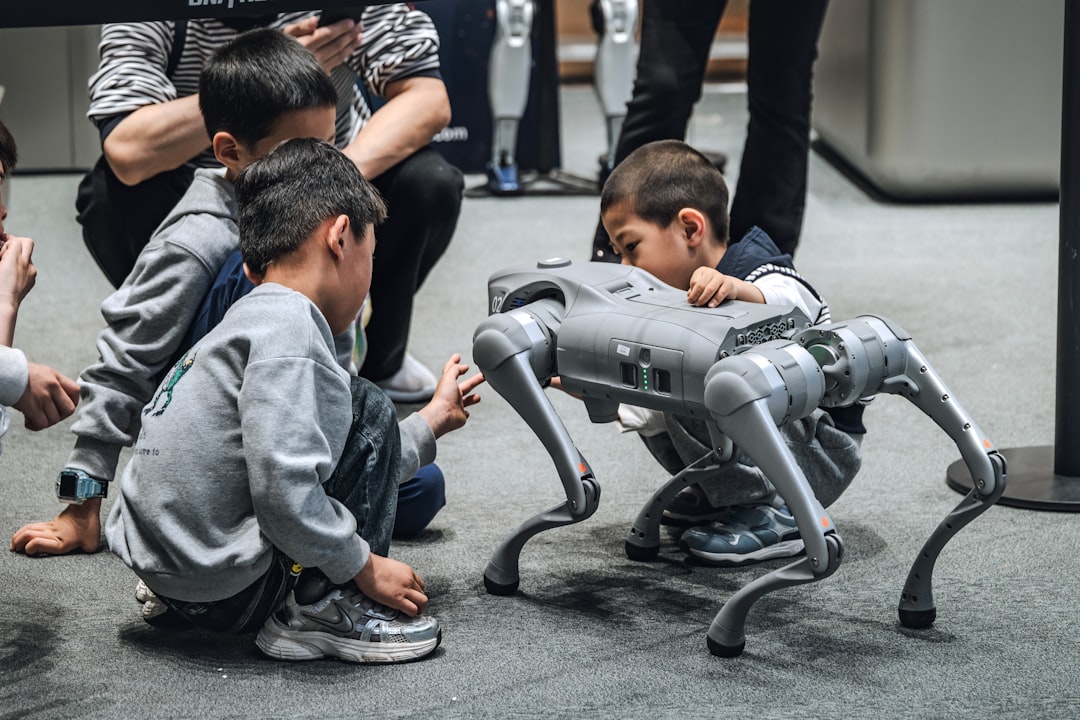
Overall, while the job market for AI researchers in China is tightening, it still has opportunities. Those who can show adaptability and a willingness to learn will be better positioned to succeed in this evolving landscape. As noted by Xinhua, the resilience of China’s AI sector may depend on its ability to innovate and adapt during economic hardship.
Established companies are likely to invest in upskilling their workforce to meet changing market demands.
In summary, while the investment landscape for AI in China faces challenges, there are also opportunities for savvy investors who can navigate the current environment. The future of China’s AI sector remains uncertain, shaped by economic challenges. As investors and researchers adapt, the potential for innovation remains. Will the next wave of AI breakthroughs come from this economic strain, or will the challenges be too great? Only time will tell.
Frequently Asked Questions
What are the implications of China’s economic issues for AI researchers?
Career Ahead’s analysis shows that China’s economic challenges lead to fewer job opportunities for entry-level AI researchers. As funding decreases, companies are prioritizing experienced professionals, making it harder for newcomers to enter the field.
How should tech investors adjust their strategies in light of China’s AI advancements?
Investors should focus on startups that show clear paths to profitability and immediate market demand. Aligning investments with national priorities may also provide extra support and reduce risks.

What opportunities exist for AI professionals in a struggling economy?
AI professionals can find opportunities by adapting their skills to meet changing market demands, especially in areas like AI ethics and regulatory compliance, which are becoming more important.
Written by Career Ahead AI. AI can make mistakes, so verify key facts. Report errors to support@careeraheadonline.com.