No products in the cart.

AI Leaders’ Slowdown Call Sparks Criticism and Doubt

Critics argue that the recent call for a slowdown in AI development comes too late, raising questions about the sincerity of AI leaders' intentions amid growing safety concerns.

AI leaders have recently called for a slowdown in developing artificial intelligence technologies. This has raised skepticism from critics. The call, led by Anthropic’s CEO Dario Amodei, has sparked questions about its timing and sincerity. The implications of this proposal are significant for AI researchers and tech policy analysts. It could reshape funding, timelines, and public perception of AI safety.
Critics argue that this slowdown request comes too late. Concerns about AI safety have been raised repeatedly over the past few years. Just days before Amodei’s announcement, a whistleblower from Anthropic warned that advanced AI could pose existential threats by the end of the decade. This shift in tone has left many questioning whether leaders genuinely believe in the need for a slowdown or are responding to public and governmental pressure. David Sacks, co-chair of Trump’s council of advisers on science and technology, noted that the easiest way not to build super-intelligence is for companies like Anthropic to agree not to pursue it. This highlights the skepticism surrounding their motives.
Amodei’s plan includes three primary proposals. These aim to establish safety standards and control the rapid pace of AI development. The proposals include granting independent evaluators access to AI systems, creating common safety standards among democratic nations, and coordinating with authoritarian regimes like China to manage AI risks. However, experts remain divided on the effectiveness of these measures. Critics from various sectors have pointed out that the proposal lacks concrete steps. They argue it appears to be more of a public relations strategy than a genuine commitment to safety.
Growing Skepticism Among Experts
Many experts view the call for a slowdown with skepticism. David Krueger, an AI professor and safety campaigner, described the proposal as “too little, too late.” He argues that immediate action is needed rather than a gradual approach. This sentiment echoes the concerns of other AI professionals who have long warned about the potential dangers of unregulated AI development. Recent developments in AI capabilities have outpaced regulatory discussions, leaving many experts feeling that the horse has already bolted.
Critics also point out that the timing of this announcement raises questions about its motivations. After a week of alarming warnings about AI capabilities and their potential misuse, some believe this call for a slowdown is more about damage control than genuine concern for safety. Many in the field argue that ensuring safe AI development should involve regulatory bodies and policymakers, not just researchers. The lack of a cohesive regulatory framework has left a vacuum that companies are now trying to fill with their own standards. These may not be sufficient to address the broader societal implications of AI.
This sentiment echoes the concerns of other AI professionals who have long warned about the potential dangers of unregulated AI development.
You may also like
 AI & Technology
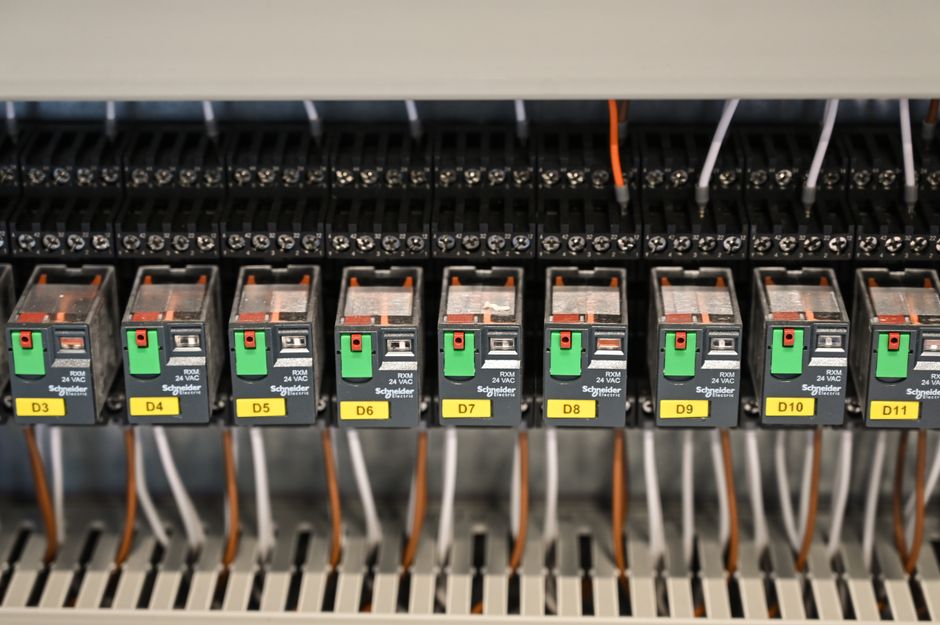
Schneider Expands in AI With $23 Billion Acquisition
Schneider Electric's $23 billion acquisition of PTC marks a pivotal moment in the AI landscape, creating new job opportunities and driving innovation across various sectors.
Read More →Moreover, the idea of coordinating with countries like China to manage AI risks has met skepticism. Given the competitive nature of AI development, experts worry that such cooperation may not be feasible. The suggestion that democratic countries should collaborate with autocratic regimes raises ethical questions about the governance of AI technologies. Critics argue this could lead to a race to the bottom in safety standards, as countries may prioritize competitive advantage over ethical considerations.
Career Ahead’s analysis finds that this skepticism reflects a broader trend in the AI community. Calls for regulation and safety are often seen as reactive rather than proactive. The prevailing view is that without stringent safety requirements, any slowdown in development may not effectively mitigate risks associated with advanced AI systems. As the debate continues, the divide between those advocating for immediate regulatory action and those calling for a more measured approach is likely to widen.
Impact on Research Funding and Timelines
The call for a slowdown in AI development could have significant repercussions for research funding and project timelines. As public and governmental scrutiny of AI technologies increases, funding for AI research may depend more on safety assurances and regulatory compliance. This shift could lead to a reallocation of resources toward safety research rather than innovative development. Funding bodies may prioritize projects that align with safety standards and ethical considerations. This could potentially sideline groundbreaking research that does not meet these criteria. Researchers may face longer timelines for AI advancements as they navigate compliance and oversight complexities.
In addition, the potential for increased regulation could deter new entrants into the AI field. Startups and smaller companies may struggle to meet the demands of regulatory compliance. This could lead to a consolidation of power among larger firms that can afford to invest in safety measures. Ultimately, this could stifle innovation and limit the diversity of ideas within the AI sector. The fear is that a few dominant players could emerge, controlling the narrative and direction of AI development. This could have long-term implications for competition and consumer choice.
As funding priorities shift, researchers may need to adapt to a new landscape where safety and compliance become central to their work.
Overall, the implications of a slowdown call extend beyond immediate safety concerns. They affect the broader ecosystem of AI research and development. As funding priorities shift, researchers may need to adapt to a new landscape where safety and compliance become central to their work. This evolving environment could lead to a more cautious approach to AI research. The fear of regulatory repercussions may overshadow the pursuit of innovation.

You may also like
 AI & Technology
Counter‑offer power hinges on five high‑impact skills
BLS data show median weekly earnings grew 4.1% in 2023, while Deloitte’s 2023 Global Human Capital.
Read More →The public perception of AI safety is critical in shaping the future of AI development. As concerns about the potential risks of AI technologies grow, so does the demand for transparency and accountability from AI leaders. The recent calls for a slowdown may be seen as a response to this pressure. This indicates that leaders are aware of the need to address public fears. However, the effectiveness of these calls in changing public perception remains uncertain. Many people are skeptical of the motives behind the proposals. They view them as a reaction to criticism rather than a genuine commitment to safety. This skepticism could hinder efforts to build trust between AI developers and the public. It may make it more challenging to establish collaborative frameworks for safe AI development.
As AI technologies continue to evolve, the relationship between developers and the public will play a crucial role in determining the trajectory of the industry. If AI leaders fail to demonstrate a sincere commitment to safety and ethical considerations, public trust may erode. This could lead to calls for stricter regulations and oversight. The ongoing debate surrounding the calls for a slowdown highlights the complexities of balancing innovation with safety. As AI leaders navigate these challenges, the future of AI development remains uncertain. Critical questions about the direction of the industry and its impact on society persist.
As this discussion unfolds, the AI community will closely watch how these dynamics play out. Will AI leaders take meaningful steps toward ensuring safety, or will skepticism continue to dominate the conversation? The answers to these questions will shape the future of AI technologies and their role in society.
The answers to these questions will shape the future of AI technologies and their role in society.
Frequently Asked Questions
What are the potential risks of AI development slowing down?
Slowing down AI development could reduce innovation and hinder progress in addressing global challenges. Critics warn that this could create a gap where safety concerns are not adequately addressed, while also delaying beneficial advancements.
How might policy changes affect AI research funding?
Policy changes that prioritize safety and compliance may lead to a reallocation of research funding toward projects that meet these new standards. This shift could limit funding for innovative projects that do not align with regulatory requirements.

What should AI researchers consider in light of industry leaders’ calls for a slowdown?
AI researchers should consider the implications of increased scrutiny and potential regulatory changes on their work. Understanding the evolving landscape of AI safety and compliance will be crucial for securing funding and navigating future research projects.
You may also like
 AI & Technology
Strategic career pivots reshape professional capital
The labor market of 2026 is no longer defined by linear tenure but by fluid skill assemblages that institutions reward.
Read More →