No products in the cart.

AI Revolutionizes Surgical Careers: The Rise of Hybrid Surgeons
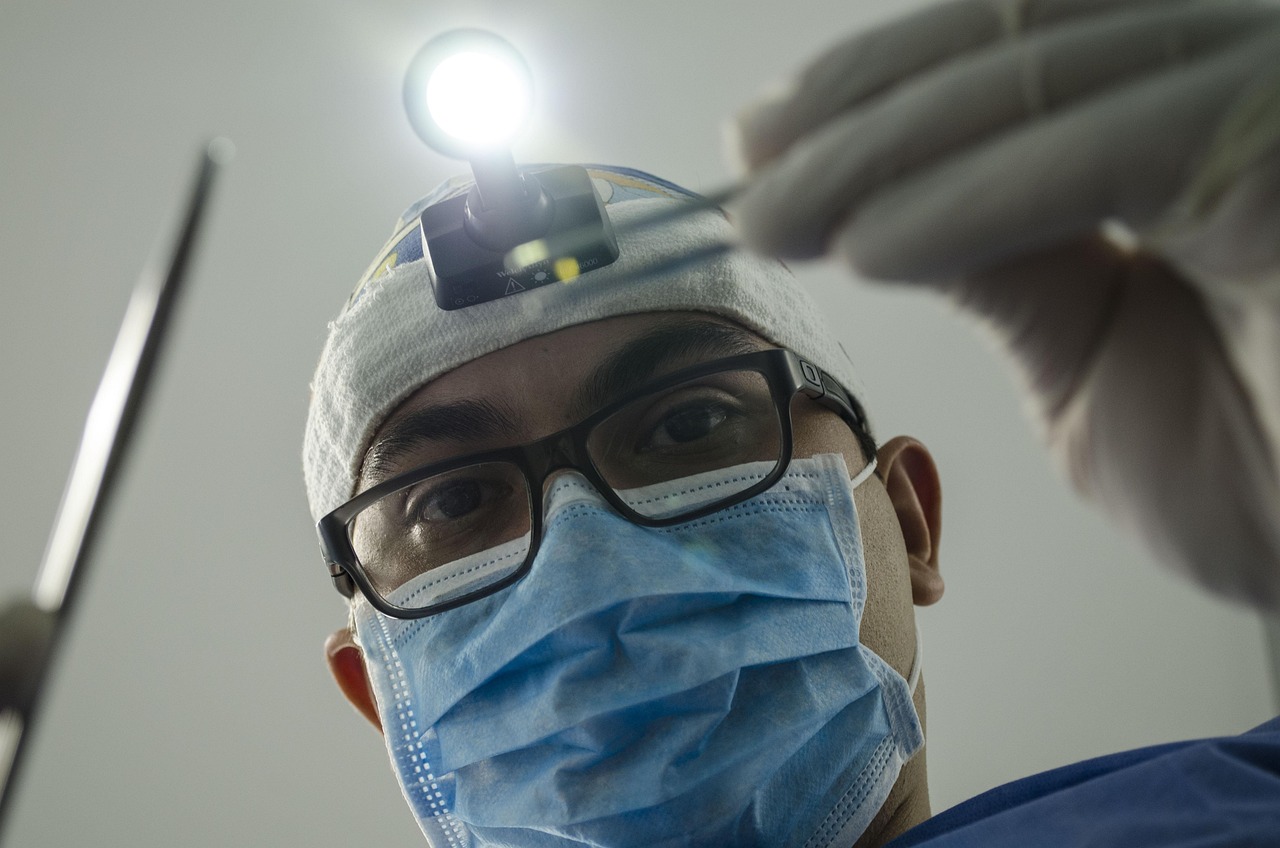
Discover how AI and robotics are transforming the surgical profession, leading to the emergence of hybrid roles that blend technology and medicine.

Boston, USA — As artificial intelligence (AI) and robotics advance, the landscape of surgery is undergoing a profound transformation. Surgeons are no longer the sole navigators of the operating room; they are now collaborating with intelligent machines that assist in complex procedures, enhancing precision and patient outcomes.
This shift matters significantly in today’s healthcare environment. With an aging population and increasing demand for surgical interventions, the integration of AI in surgical practices is not just a trend—it’s a necessity. The emergence of hybrid surgeon-technologist roles signifies a new era where medical professionals must possess both surgical expertise and technological proficiency.
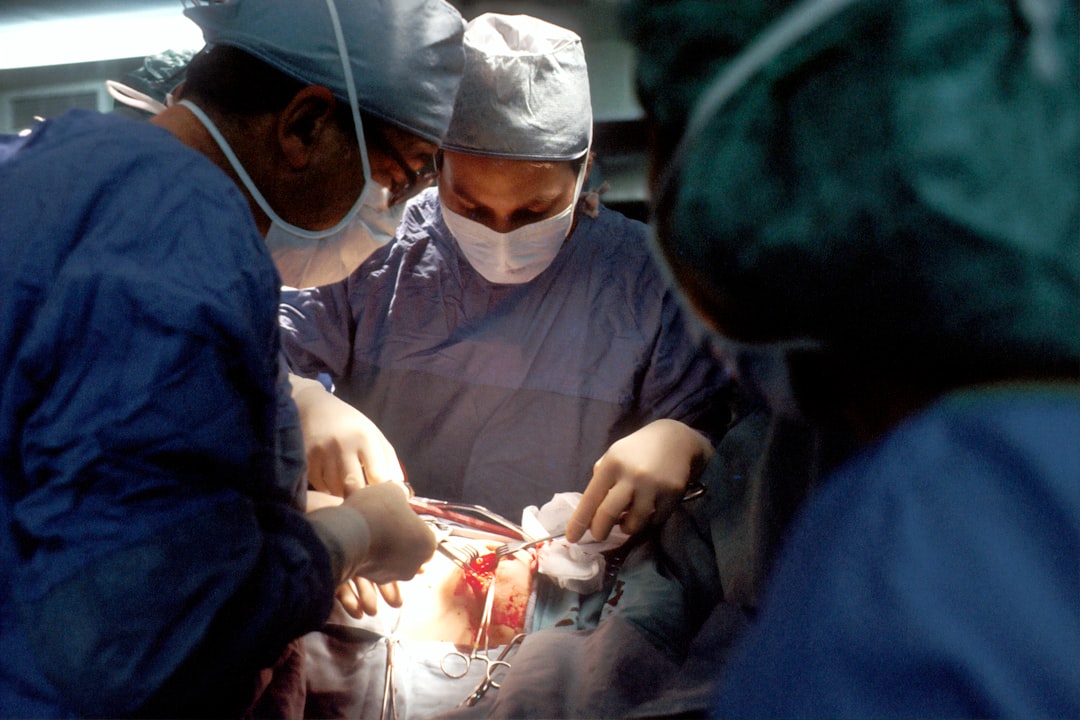

The implications of this evolution are vast. The World Health Organization reports a global shortage of 18 million healthcare workers by 2030, highlighting the urgent need for efficiency and innovation in healthcare delivery. AI-driven surgical systems can help bridge this gap by augmenting human capabilities, enabling fewer surgeons to perform more procedures effectively.
Context and Background
 AI
AIAI Sovereignty in Kenya: A New Era of Local Innovation
Kenya is leading a charge towards AI sovereignty, blending local innovation with education to empower future generations.
Read More →The integration of AI in surgery began gaining traction in the early 2000s, but it was the advent of sophisticated robotic systems like the da Vinci Surgical System that propelled this transformation forward. Introduced in 2000 by Intuitive Surgical, the da Vinci system allows surgeons to perform minimally invasive surgeries with enhanced precision through a console interface. As of 2022, over 7,000 of these systems were installed globally, performing more than 1.5 million procedures annually[1].
The integration of AI in surgery began gaining traction in the early 2000s, but it was the advent of sophisticated robotic systems like the da Vinci Surgical System that propelled this transformation forward.
Recent advancements have seen the introduction of AI algorithms that not only assist in real-time decision-making during operations but also predict patient outcomes based on historical data. These systems analyze vast amounts of surgical data, improving techniques and reducing errors. For instance, a study published in the journal Nature found that AI could outperform human surgeons in certain tasks, leading to faster recovery times and fewer complications[2].
Analysis of Perspectives
While the benefits of AI in surgery are clear, the transition raises critical questions about the future role of surgeons. Dr. Rafael Grossmann, a pioneering surgeon in robotic surgery, emphasizes that the key to success lies in collaboration: “AI will not replace surgeons; it will enhance our capabilities. The future surgeon must be both a skilled operator and a tech-savvy innovator.”
Conversely, concerns about over-reliance on technology persist. Some experts argue that an excessive focus on AI could diminish traditional surgical skills. Dr. Michael Apkon, CEO of Tufts Medical Center, warns, “We must ensure that as we embrace technology, we do not lose the essential human elements of care and decision-making.”
 Career Development
Understanding the Rise of ‘Quiet Redundancies’ in Ireland
Quiet redundancies are becoming a significant trend in Ireland, impacting workforce dynamics and career development. Explore what this means for…
Read More →In response to these concerns, medical education is evolving. Institutions like Johns Hopkins University are now incorporating AI and robotics into their curricula. Students are trained not only in surgical techniques but also in understanding and leveraging AI tools[3]. This shift prepares the next generation for a workforce where hybrid roles are the norm.
Looking Ahead
The future surgeon must be both a skilled operator and a tech-savvy innovator.”
The future of surgery will likely see a continued rise in hybrid roles that blend medical expertise with technological prowess. As AI tools become commonplace, surgeons will need to adapt by developing a robust understanding of data analytics, machine learning, and robotic systems. The demand for professionals who can navigate both the clinical and technological aspects of surgery will create new career pathways.
Moreover, the evolution of surgical robots is expected to accelerate. Companies like Medtronic and Johnson & Johnson are investing heavily in next-generation systems capable of performing complex procedures autonomously. These innovations could redefine the surgical landscape, making procedures less invasive and more accessible to patients worldwide.
 Career Trends
Navigating New Work Permit Landscapes: The Global Career Shift
Work permit changes in 2025 are redefining career landscapes globally, creating new opportunities and challenges for young professionals.
Read More →As this technological evolution unfolds, healthcare systems must also address ethical implications and ensure equitable access to these advancements. Policymakers and educators have a role in shaping a future where technology enhances human capabilities while maintaining the core values of patient care.
The integration of AI and robotics into surgery represents not just a technological advancement but a fundamental shift in healthcare delivery. As we move forward, the challenge will be to cultivate a new breed of healthcare professionals who are as comfortable with a scalpel as they are with a keyboard. The future of surgery is not just about machines but about the people who will wield them—hybrid surgeons capable of harnessing technology to improve lives.