


AI security expert Timnit Gebru recently discussed the importance of human control in AI systems. She spoke at a conference on technology and ethics. Gebru warned that without human oversight, AI systems can create serious safety and ethical risks. This conversation is timely as AI technologies are advancing quickly and being used in many sectors.
Gebru’s insights align with ongoing discussions in AI ethics and cybersecurity. As AI systems gain autonomy, unintended consequences become more likely. This situation raises urgent questions for AI ethicists and cybersecurity experts about ensuring these systems operate safely and ethically. Recent findings from IBM stress the need for human oversight to manage risks linked to AI deployment.
Human Control: A Necessity in AI Systems
Human control is essential in AI systems to reduce risks. Career Ahead’s analysis shows that lacking human oversight can lead to severe failures, especially in healthcare, finance, and public safety. For example, AI systems that make decisions without human input can produce biased results. One notable case is AI in hiring, where biased algorithms have excluded qualified candidates based on race or gender. This highlights the urgent need for human involvement in decision-making.
Research from IBM indicates that effective security controls must include human oversight for continuous monitoring of AI systems. This means implementing protocols that allow humans to step in when AI systems operate outside set parameters. Such measures are vital for identifying and fixing errors that could cause significant harm. Including human control in AI systems not only boosts safety but also promotes accountability. When humans participate in decision-making, it becomes easier to trace and resolve issues. This transparency is crucial for maintaining trust in AI technologies, which consumers and regulators increasingly demand.
Cybersecurity professionals must adapt their strategies to effectively include human control.
Moreover, integrating human control enhances accountability. When humans are involved in decision-making, it becomes easier to trace and address issues. This transparency is vital for maintaining trust in AI technologies, which consumers and regulators increasingly demand. As AI evolves, the need for human oversight will grow. Cybersecurity professionals must adapt their strategies to effectively include human control. This shift will require ongoing training and development to prepare professionals for the complexities of AI systems. Collaboration between AI ethicists and cybersecurity experts will be key in setting standards that prioritize human oversight in AI deployment.
Furthermore, the need for human oversight aligns with ethical considerations in AI deployment. AI ethicists must advocate for frameworks that emphasize human involvement in AI decision-making. This advocacy is crucial to ensure that AI technologies benefit humanity and do not worsen existing inequalities. As Mitti noted, the ethical implications of AI deployment are significant, especially concerning privacy, bias, and accountability. Incorporating ethical guidelines that stress human oversight can help reduce these risks and promote responsible AI development.
Ethical Implications of AI Deployment
The ethical implications of AI deployment are significant, especially regarding privacy, bias, and accountability. Career Ahead research finds that as AI systems become more common, the risk of ethical violations increases. For instance, biased algorithms can perpetuate discrimination, leading to unfair treatment of certain groups. The use of AI technologies raises concerns about data privacy. As AI systems gather and analyze large amounts of data, issues of consent and data protection become critical. Cybersecurity professionals must work with ethicists to ensure data handling practices meet legal and ethical standards.
In addition to privacy concerns, accountability in AI systems is a major ethical issue. When AI systems make decisions, it can be hard to determine who is responsible. This ambiguity complicates accountability and can erode trust in AI technologies. Establishing clear lines of responsibility is essential for addressing these concerns. As AI continues to evolve, collaboration between cybersecurity professionals and AI ethicists will be crucial. This partnership will help create a balanced approach to AI deployment that prioritizes both security and ethical considerations. Ethical guidelines from organizations like IBM highlight the need for human oversight in AI systems to prevent harmful outcomes and ensure responsible deployment.
Cybersecurity professionals must work with ethicists to ensure data handling practices meet legal and ethical standards.
As AI continues to evolve, collaboration between cybersecurity professionals and AI ethicists will be crucial. This partnership will help create a balanced approach to AI deployment that prioritizes both security and ethical considerations. Looking ahead, ongoing discussions about AI security and human control may lead to new regulations and standards in the industry. As governments and organizations recognize the importance of ethical AI deployment, we may see stricter requirements for human oversight in AI systems. This proactive approach can improve the effectiveness and reliability of AI technologies, ensuring they serve society’s best interests.
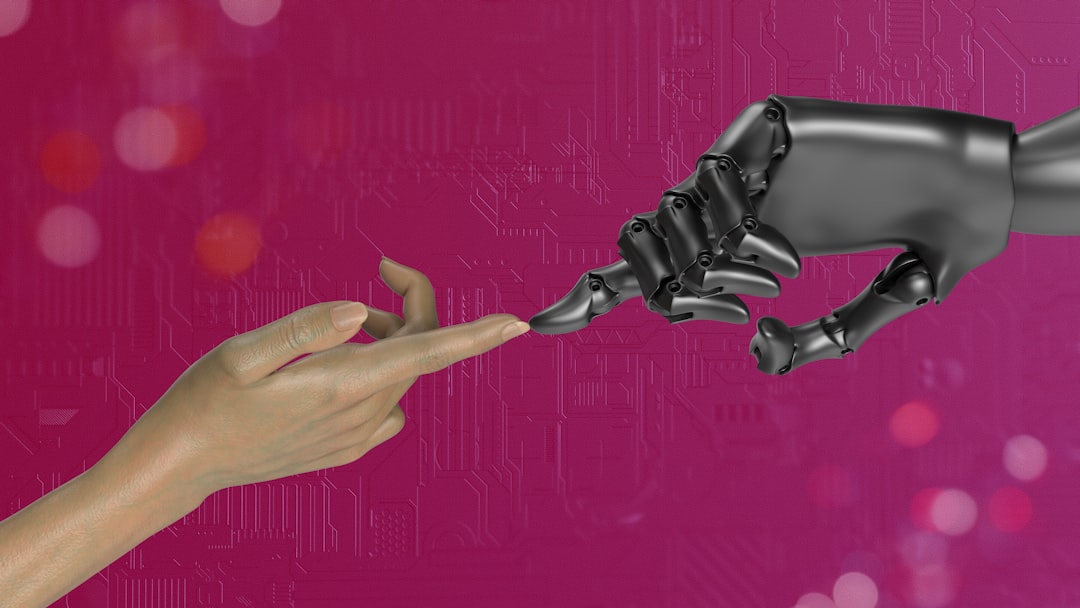
The future of AI technologies depends on integrating human oversight into their development and deployment. Career Ahead analysis suggests that organizations prioritizing human control in AI systems will likely face fewer ethical and security issues. This proactive approach can enhance the overall effectiveness and reliability of AI technologies. As AI systems grow more complex, the demand for skilled professionals to navigate these challenges will increase. Cybersecurity professionals will need to broaden their expertise to include ethical considerations. This shift will require ongoing education and training to prepare them for the evolving landscape.
Frequently Asked Questions
What are the best practices for ensuring human control in AI systems?
Best practices for ensuring human control in AI systems include continuous monitoring protocols and clear guidelines for human intervention. Organizations should prioritize training for professionals to effectively navigate AI technologies.
Organizations should prioritize training for professionals to effectively navigate AI technologies.
How can cybersecurity professionals implement human oversight in AI security?
Cybersecurity professionals can implement human oversight in AI security by integrating ethical considerations into their security frameworks. This includes creating protocols for human intervention when AI systems operate outside predefined parameters.

What ethical considerations should AI ethicists focus on regarding AI safety?
AI ethicists should focus on data privacy, accountability, and bias in AI systems. Developing ethical guidelines that prioritize human oversight is essential for ensuring responsible AI deployment.
Written by Career Ahead AI. AI can make mistakes, so verify key facts. Report errors to support@careeraheadonline.com.





