


San Francisco, USA — Artificial intelligence is reshaping the food industry in profound ways. From personalized nutrition apps to AI-driven culinary creations, technology is transforming how we eat, what we consume, and even who prepares our meals. Major companies like IBM and Nestlé are at the forefront of this evolution, leveraging AI to enhance food production and personalize dietary choices.
This shift matters now more than ever. As the global population is projected to reach 9.7 billion by 2050, food sustainability and individual health are paramount. The integration of AI into food technology offers solutions that could potentially revolutionize how we approach nutrition and culinary practices.
The rise of AI-driven solutions in food tech is evident in various sectors. For instance, companies like Nutritional AI and Eat This Much are developing applications that use machine learning algorithms to create personalized meal plans based on individual dietary preferences, health goals, and even genetic data. This approach not only caters to personal tastes but also addresses specific health concerns, promoting healthier eating habits.
Moreover, AI is enhancing food production processes. Smart agriculture technologies, powered by AI, are being employed to optimize crop yields and reduce waste. According to a report by the Food and Agriculture Organization (FAO), AI applications could boost global agricultural productivity by 70% by 2050, a critical factor as climate change poses new challenges to food security [1].
For instance, companies like Nutritional AI and Eat This Much are developing applications that use machine learning algorithms to create personalized meal plans based on individual dietary preferences, health goals, and even genetic data.
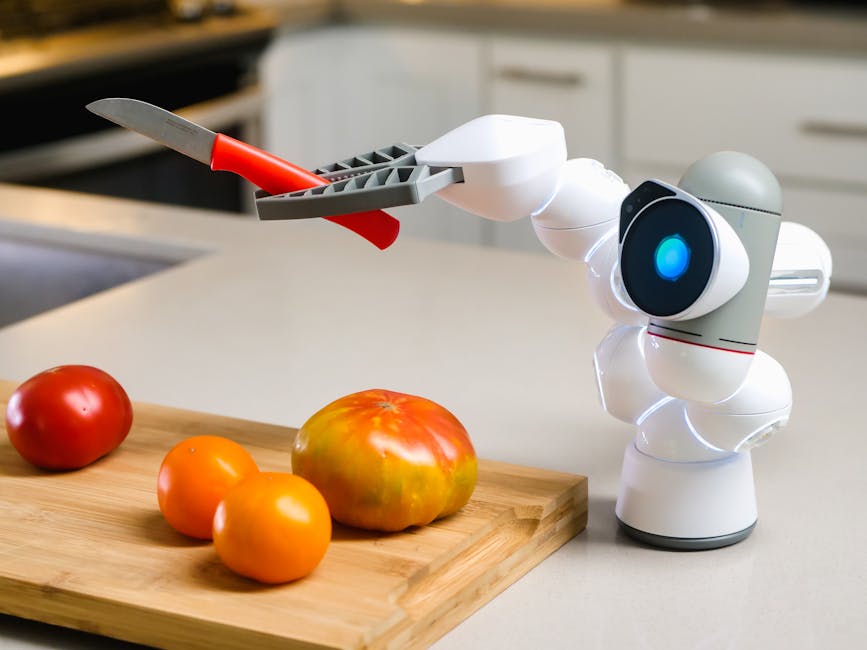
The culinary world is also experiencing a transformation. AI chefs, such as those developed by Moley Robotics, are designed to replicate human cooking techniques and even create new recipes. These robots not only streamline cooking processes but also ensure consistency and precision in meal preparation. With the culinary workforce facing shortages, AI chefs could play a pivotal role in filling gaps in the labor market.
While these advancements promise efficiency and personalization, they also raise questions about the future of culinary careers. Traditional chefs may need to adapt to a landscape where AI dominates routine tasks. However, experts argue that the human touch in cooking—creativity, intuition, and cultural understanding—cannot be replicated by machines. As AI takes over repetitive tasks, chefs could focus more on innovation and customer experience, redefining their roles in the kitchen.
Furthermore, the integration of AI into food tech has implications for health and nutrition education. Schools and health organizations are beginning to incorporate AI-driven nutrition apps into their programs, offering students and patients personalized dietary recommendations. This trend could lead to more informed choices and healthier lifestyles, particularly among younger generations.
Despite the potential benefits, there are challenges to address. Data privacy concerns regarding personal health information are paramount. As AI systems collect and analyze vast amounts of data to provide tailored recommendations, ensuring user privacy and data security will be crucial. Regulatory frameworks must evolve to protect consumers while fostering innovation in the food tech space.
Looking ahead, the future of food technology appears promising. The convergence of AI and food tech is likely to yield further innovations, from lab-grown meats to automated food delivery systems. These advancements will not only impact how food is produced and consumed but also how we understand and approach nutrition.
Regulatory frameworks must evolve to protect consumers while fostering innovation in the food tech space.
As we navigate this new landscape, it is essential for professionals in the culinary and health sectors to embrace AI tools that enhance their skills rather than replace them. Continued education and training will be vital for adapting to technological advancements in the industry.
Ultimately, the intersection of AI and food tech represents a significant evolution in our culinary practices, offering the potential for healthier lifestyles and a more sustainable food system. As technology continues to advance, the question remains: how will we balance innovation with the irreplaceable human elements of cooking and nutrition?
Written by Career Ahead AI. AI can make mistakes, so verify key facts. Report errors to support@careeraheadonline.com.





