
AI technology is evolving quickly. Recent discussions at the MAHA Summit highlighted its growing role in medical decision-making. Industry leaders, including Kennedy, noted that AI is now often ‘better informed’ than many doctors in various situations. This marks a significant shift in healthcare. It raises important questions about the roles of healthcare professionals and how AI fits into patient care.
The implications of AI’s advancements are significant for healthcare professionals and medical researchers. As AI systems analyze vast amounts of medical data, they are increasingly relied upon for diagnostic accuracy and patient care decisions. This reliance is reshaping medical practice.
AI’s Impact on Diagnostic Accuracy
AI systems are proving highly effective in diagnosing diseases. They often outperform human doctors in accuracy. A recent analysis from Career Ahead shows that AI algorithms can analyze medical images and data with precision that exceeds many specialists. This is especially true in fields like radiology, where AI can spot tumors or fractures that human eyes might miss.
The IBISWorld report on specialist doctors in the US states that using AI tools in diagnostics is transforming how medical professionals work. As AI tools become more common, the demand for traditional diagnostic skills may decline. This change will compel doctors to enhance their understanding of AI technologies. The goal is not to replace human expertise but to augment it, allowing healthcare providers to focus on complex cases that require human judgment.
The IBISWorld report on specialist doctors in the US states that using AI tools in diagnostics is transforming how medical professionals work.
Moreover, AI’s ability to process vast datasets helps it identify patterns and correlations that human practitioners might overlook. This not only improves diagnostic accuracy but also speeds up the time to reach a diagnosis. Faster diagnoses lead to quicker treatments and better patient outcomes. For example, AI can analyze thousands of medical images much faster than a human radiologist, reducing backlogs in busy hospitals.
 Industry & Global Trends
Agarwal Says India Can Attract Data Centre Investment
Agarwal cites data-centre construction costs around half the US and Europe level, renewable energy, a 1.5 billion population and coastline.
Read More →Career Ahead’s analysis shows that the trend toward AI-assisted diagnostics is expected to grow. More healthcare facilities are investing in AI technologies. Consequently, healthcare professionals will need to familiarize themselves with these tools to stay competitive. Studies indicate that AI can reduce diagnostic errors by up to 30%. This statistic could greatly impact patient safety and treatment effectiveness.
AI’s Role in Patient Care Decisions
AI also plays a crucial role in patient care decisions. AI systems can analyze patient histories, treatment responses, and other relevant data to provide personalized treatment recommendations. This is especially helpful in complex cases with many factors to consider. For instance, AI can evaluate a patient’s genetic information alongside their medical history to suggest the best treatment options. Doing this manually would be time-consuming and prone to error.
Career Ahead’s research shows that AI’s role in treatment planning is already being implemented in several hospitals.
Career Ahead’s research shows that AI’s role in treatment planning is already being implemented in several hospitals. This leads to more tailored and effective patient care strategies. For example, AI tools can suggest medication adjustments based on real-time patient data, improving adherence to treatment plans. This approach enhances patient outcomes and empowers healthcare providers to make informed decisions. It fosters a collaborative environment where technology and human expertise work together.
 Industry & Global Trends
Tech Layoffs Near 196,000 Globally in 2026
Nearly 196,000 tech professionals were laid off globally by late October 2026. May saw about 29,000 jobs eliminated in a single month.
Read More →The integration of AI in patient care raises ethical questions about healthcare professionals’ roles. While AI can enhance decision-making, it challenges the traditional view of physicians as primary decision-makers. This shift requires reevaluating how healthcare teams operate, focusing on collaboration between human expertise and AI capabilities. The Association of Independent Doctors emphasizes that understanding AI’s strengths and limitations is crucial for healthcare providers in this evolving landscape.
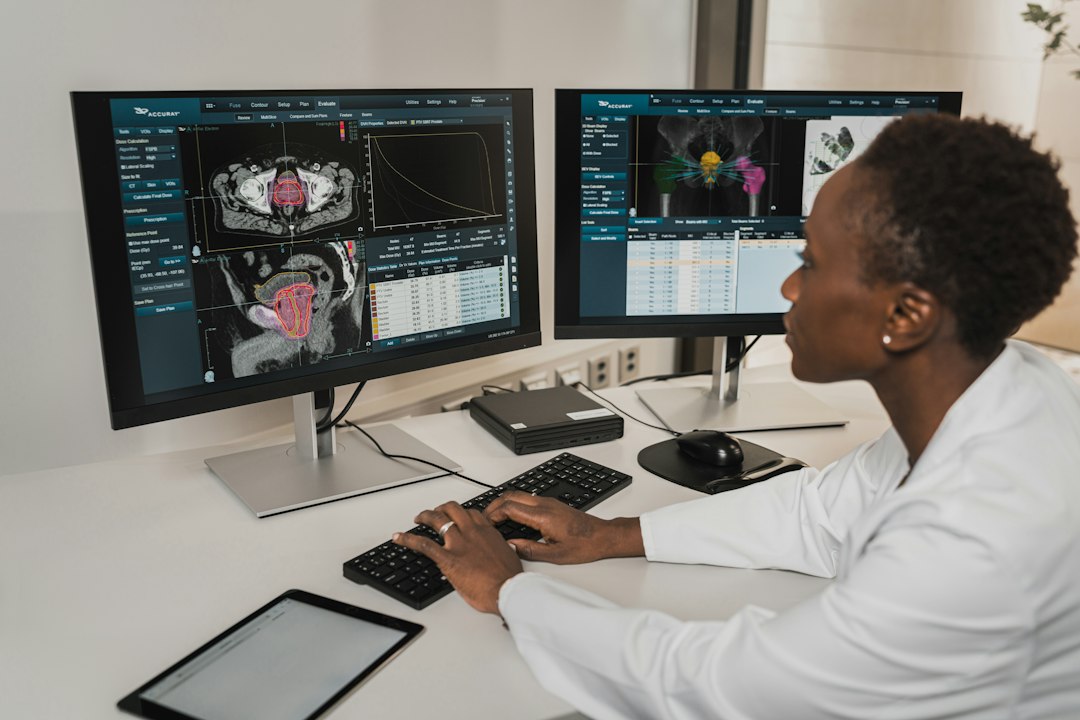
As AI continues to evolve, training in AI tools becomes increasingly important for healthcare professionals. Organizations like Elite Learning recognize this need and offer courses to equip healthcare workers with the necessary skills. This training is vital for ensuring that medical professionals can use AI effectively while maintaining their critical role in patient care. As AI becomes more integrated into everyday practice, the ability to interpret AI-generated insights will be essential for future healthcare providers.
In summary, integrating AI in healthcare is not just a technological advancement; it represents a fundamental change in how medical professionals will operate. As AI outperforms doctors in various areas, training and adaptation become critical for those in the field. The future of healthcare will likely see greater collaboration between AI systems and healthcare professionals. As this relationship evolves, ongoing education will be crucial for ensuring that professionals can effectively harness AI’s potential while providing compassionate and informed patient care.
Training programs from organizations like Elite Learning can help them understand and use these technologies effectively.
Frequently Asked Questions
How can healthcare professionals leverage AI in their practice?
Healthcare professionals can integrate AI tools into their diagnostic and treatment processes. Training programs from organizations like Elite Learning can help them understand and use these technologies effectively.
What are the implications of AI outperforming doctors for medical research?
AI’s ability to analyze large datasets quickly and accurately can significantly enhance medical research. Researchers who adopt AI tools can uncover insights faster, leading to innovative treatments and breakthroughs.
What should medical researchers do to adapt to AI advancements in healthcare?
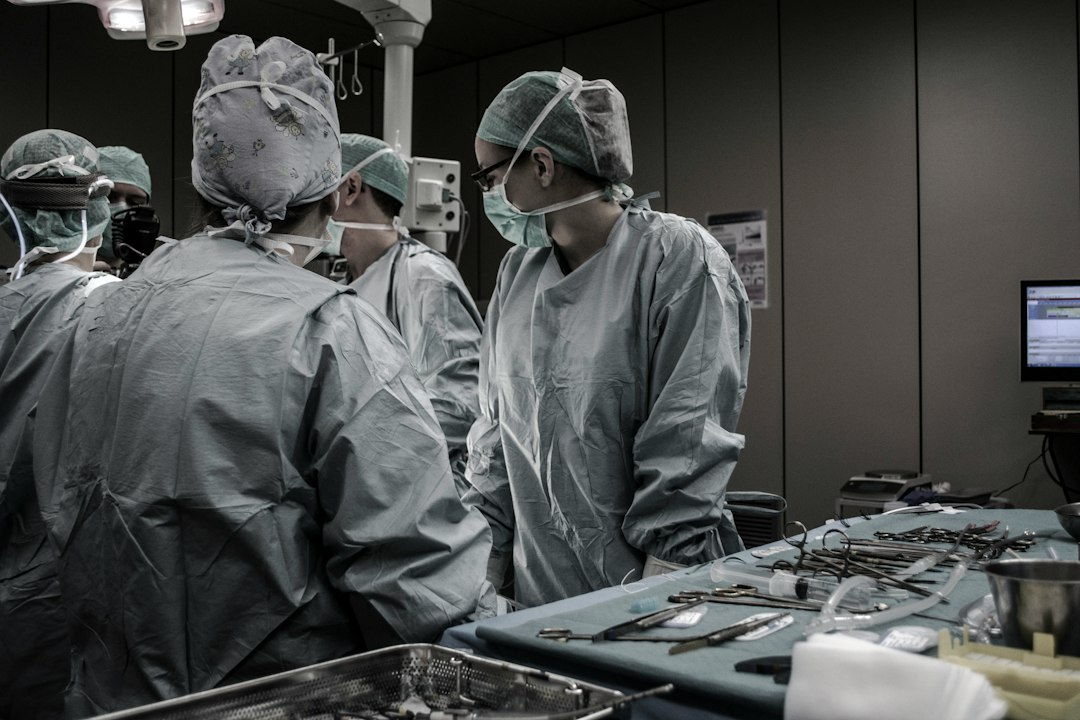
Medical researchers should focus on becoming proficient in AI technologies and their applications in research. This knowledge will allow them to utilize AI for data analysis and improve their research outcomes.
Written by Career Ahead AI. AI can make mistakes, so verify key facts. Report errors to support@careeraheadonline.com.