No products in the cart.

Air India Fires 1,000+ Employees for Ethical Breaches
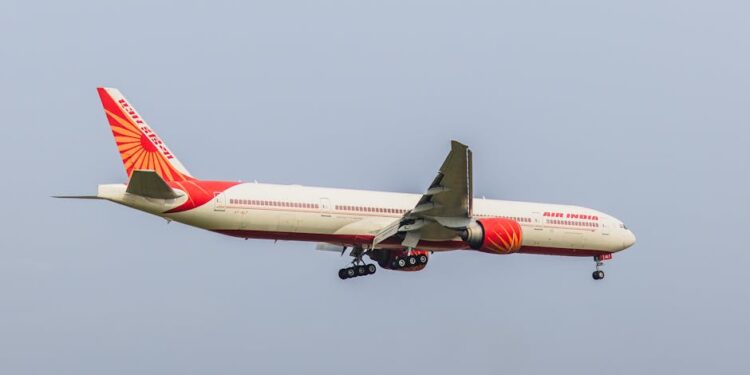
Air India has terminated over 1,000 employees in the last three years due to ethical breaches, as announced by CEO Campbell Wilson. This decision underscores the airline's commitment to integrity and compliance amidst significant financial challenges.

Air India’s Commitment to Ethical Standards
Air India has made headlines by terminating over 1,000 employees in the last three years due to ethical breaches. This decision, announced by CEO Campbell Wilson, highlights the airline’s commitment to maintaining a culture of integrity and compliance. The breaches included serious violations such as misusing the employee leisure travel system and allowing excess baggage without charge. Such actions not only compromise operational integrity but also tarnish the airline’s reputation.
During a recent town hall meeting, Wilson emphasized that hundreds of employees face termination annually due to non-compliance. He urged staff to act ethically, even when they believe no one is watching. This strict stance comes as Air India navigates significant financial challenges, with projected losses exceeding ₹22,000 crore for the financial year ending March 2026.
Reasons Behind the Terminations
The terminations at Air India stem from various ethical violations that have surfaced over the years. Reports indicate that the airline has identified large-scale discrepancies in its leisure travel policy, involving over 4,000 employees. The misuse of the Employee Leisure Travel (ELT) system has led to corrective actions, including penalties for those found guilty. Such measures indicate a proactive approach to curbing unethical behavior within the organization.
According to the Economic Times, the breaches included not only travel misuse but also more severe infractions like smuggling items off planes. These actions have prompted Air India to take decisive measures to uphold its ethical standards. The airline’s leadership has made it clear that such behavior is unacceptable, reflecting a zero-tolerance policy towards misconduct.
The airline’s leadership has made it clear that such behavior is unacceptable, reflecting a zero-tolerance policy towards misconduct.
Financial Challenges and Compliance Measures
Air India’s financial struggles are a significant backdrop to these terminations. The airline has been grappling with substantial losses, prompting cost-cutting measures across the board. Wilson’s comments about a “very difficult year” ahead indicate that the airline is bracing for continued financial challenges. This context underscores the need for stringent compliance measures as the company seeks to stabilize its operations.
According to a report by The Hindu, the airline’s financial woes have been exacerbated by the COVID-19 pandemic, which led to a significant decline in air travel demand. As Air India works to improve its financial standing, demonstrating a commitment to ethical practices could enhance its market position. The emphasis on compliance may also lead to better operational efficiencies, ultimately benefiting the airline’s bottom line.
You may also like
 Career Guidance
4,000 Students Connect with 85 Recruiters at AVASAR 2026
The University of Delhi's AVASAR 2026 placement drive will connect over 4,000 students with more than 85 recruiters, highlighting the growing demand for skilled graduates…
Read More →Industry-Wide Implications
The actions taken by Air India resonate beyond the airline itself; they signal a broader trend in the aviation industry. As airlines face increasing scrutiny over operational practices, maintaining ethical standards has become paramount. The industry is under pressure to ensure compliance with regulations, especially in a post-pandemic world where trust and safety are critical to rebuilding consumer confidence.
Several airlines are likely to follow Air India’s lead, implementing stricter compliance measures and enhancing oversight of employee conduct. This trend could reshape the employment landscape within the aviation sector, as companies prioritize ethical behavior in hiring and retention practices. According to Siasat, the focus on ethics is not just about compliance but also about fostering a culture of accountability among employees.
Balancing Compliance and Employee Morale
While Air India’s strict measures may enhance compliance, they also raise questions about employee morale. Frequent terminations can create an atmosphere of fear and uncertainty among staff, potentially impacting productivity and job satisfaction. Employees may feel pressured to conform to ethical standards, but the fear of termination could lead to a culture of silence rather than open communication.
The industry is under pressure to ensure compliance with regulations, especially in a post-pandemic world where trust and safety are critical to rebuilding consumer confidence.
To mitigate these risks, Air India must balance its compliance efforts with initiatives that promote a positive corporate culture. Encouraging transparency and providing channels for employees to report unethical behavior without fear of retribution could foster a healthier work environment. According to Indian Witness, fostering a culture where employees feel valued and heard can lead to better compliance and overall organizational success.

Implications for Job Seekers
The recent developments at Air India highlight the importance of ethical standards in the workplace. For employees and job seekers, understanding a company’s commitment to ethics can be crucial when considering employment opportunities. As organizations increasingly prioritize compliance, those who align with these values may find themselves in a stronger position in the job market.
You may also like
 Career Guidance
Gujarat Empowers Teachers with Career Guidance Training
Gujarat's education department has launched a training program to equip teachers with skills for providing informed career guidance to students, covering various educational and vocational…
Read More →As Air India navigates its financial and ethical challenges, the effectiveness of its policies will be closely scrutinized. The airline’s ability to balance compliance with a supportive corporate culture will be critical in shaping its future and reputation in the aviation industry.