No products in the cart.

Air India Flight Drops 300 feet Over the Bay of Bengal, Pilot’s Drug Test Triggers Further Screening
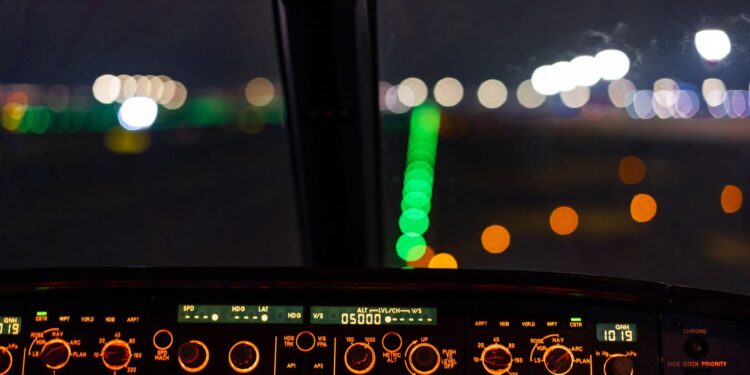
An Air India flight from Phuket to Delhi dropped 300 feet on August 4, 2026, with a pilot’s drug test indicating marijuana, prompting a full safety investigation.

An Air India flight from Phuket to Delhi lost roughly 300 feet of altitude on August 4, 2026, injuring 17 passengers. Initial drug screening of the captain returned a positive result for a psychoactive substance, prompting confirmatory laboratory testing.
The incident occurred on August 4, 2026, when an Air India scheduled service (flight AI 2379) departed Phuket International Airport bound for Indira Gandhi International Airport in Delhi. While cruising at altitude, the aircraft experienced a sudden loss of about 300 feet, a maneuver that resulted in 17 passengers sustaining injuries before the plane stabilized and completed a safe landing in Delhi [1][3][4].
The Ministry of Civil Aviation (MoCA) confirmed that the pilot-in-command’s (PIC) initial drug-screening sample indicated the presence of a psychoactive substance, leading to a second confirmatory test that also returned a positive result for marijuana [1][3][4]. The airline’s cabin crew had previously lodged a complaint alleging that the captain appeared to be under the influence, a claim that is part of the ongoing investigation [2].
Investigation and Technical Findings
The Directorate General of Civil Aviation (DGCA) has opened a formal safety investigation, assigning a team to retrieve and analyze the flight data recorder (FDR) and cockpit voice recorder (CVR) from the aircraft [1][3]. Early statements from the investigative team indicate that the sudden altitude loss occurred while the aircraft was in a steady cruise segment, with no reported severe weather or mechanical fault at the time of the event [1].
The focus of the investigation includes assessing whether the pilot’s alleged consumption of a psychoactive substance contributed to the altitude deviation. The DGCA’s preliminary report notes that the initial screening used a standard immunoassay, which detected cannabinoids, and that a confirmatory gas-chromatography/mass-spectrometry (GC/MS) test is underway to verify the result [1][4]. The Ministry of Civil Aviation has emphasized that the final determination will be based on a comprehensive review of all available data, including cockpit voice transcripts, aircraft performance parameters, and the pilot’s medical and duty-time records [3].
The airline’s cabin crew had previously lodged a complaint alleging that the captain appeared to be under the influence, a claim that is part of the ongoing investigation [2].
Regulatory and Airline Response
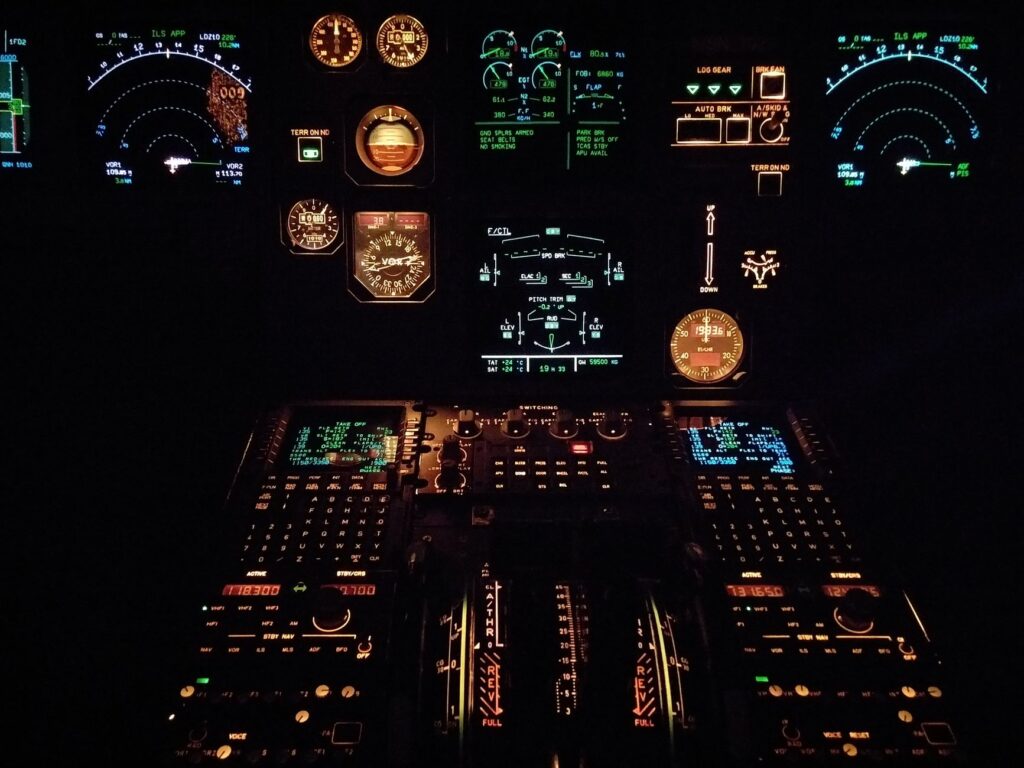
Following the positive screening, the Ministry of Civil Aviation issued an advisory requiring all Indian carriers to re-evaluate their pilot drug-testing protocols and to ensure that confirmatory testing is performed for any initial positive result [1][3]. Air India’s spokesperson confirmed that the captain was grounded pending the outcome of the confirmatory test and that the airline is cooperating fully with the DGCA and MoCA [3].
Air India also announced that it would conduct an internal audit of its existing drug-testing program, which includes random urine testing of pilots every 90 days, to verify compliance with the Directorate General of Civil Aviation’s safety standards [2]. The airline reaffirmed that no further flights on the Phuket-Delhi sector have been suspended and that all affected passengers have been offered medical assistance and compensation in line with the airline’s passenger-rights policy [4].
Impact on Students, Educators, and Aviation Stakeholders
The incident underscores the regulatory requirement for rigorous drug-screening procedures for pilots, a factor that directly influences the safety of passengers and the reputation of the aviation sector. Flight schools and aviation training institutes may experience heightened scrutiny of their drug-testing policies, potentially prompting revisions to curricula that address substance-use education and compliance [1][3].
Current pilots and crew members are advised to review the updated guidance released by the Ministry of Civil Aviation, which stresses immediate reporting of any suspected impairment and outlines the procedural steps for confirmatory testing [1]. The event also serves as a case study for safety management courses, illustrating the interplay between human factors and aircraft operation during routine cruise phases [2].
Key Facts
What: An Air India flight lost about 300 feet of altitude, injuring 17 passengers; the captain’s drug-screening indicated a psychoactive substance.
Flight schools and aviation training institutes may experience heightened scrutiny of their drug-testing policies, potentially prompting revisions to curricula that address substance-use education and compliance [1][3].
When: August 4, 2026, with subsequent testing and investigation announced in early August 2026.
Impact: Highlights the need for strict pilot drug-testing protocols and may influence policy and training across the Indian aviation industry.
Sources
- Air India captain’s initial drug screening prompts further testing after sudden altitude loss | Reuters – Reuters
- Air India Phuket-Delhi Pilot Was High on Marijuana During Flight; Fails … – NewsGram
- Air India captain to face further drug testing after altitude drop – The Independent
- Air India AI2379 Pilot Drug Test & Turbulence Probe 2026 – Visaverge
Written by Career Ahead AI. AI can make mistakes, so verify key facts. Report errors to support@careeraheadonline.com.