No products in the cart.

AI’s Breakthroughs in Decoding Human Emotion

Explore how AI is enhancing emotional intelligence through advancements in natural language understanding, impacting careers and technology.

San Francisco, USA — In a world increasingly driven by technology, artificial intelligence (AI) is making significant strides in understanding-gen-zs-sensitivity/” class=”ca-internal-link”>understanding human language and emotion. recent advancements in natural language processing (NLP) are allowing machines to decode intricate human sentiments, a leap that could redefine workplace dynamics, enhance user experiences, and foster deeper connections between technology and humanity.
this development is crucial as organizations seek to leverage AI for better customer service, employee engagement, and even mental health support. The ability to interpret emotional nuances in communication can lead to more empathetic interactions, ultimately transforming how businesses operate.
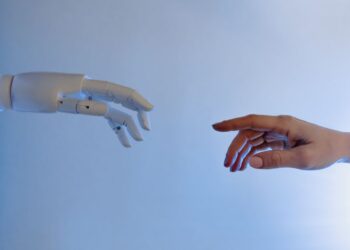
<figure class=”aligncenter”><img src="https://careeraheadonline.com/wp-content/uploads/2025/11/14147930.jpg” alt=”AI's breakthroughs in decoding human Emotion” loading=”lazy” />
AI technologies like openai’s GPT-4 and google’s BERT are at the forefront of this revolution. they employ complex algorithms to analyze text, including tone, context, and intent, which enables them to respond in ways that feel more human. For instance, AI chatbots can now detect frustration or joy in a user’s messages and adjust their responses accordingly. this capability not only improves customer satisfaction but can also assist employees in navigating workplace challenges.
According to a report from Gartner, 70% of organizations will implement AI-driven communication tools by 2025, indicating a significant shift in how businesses engage with both customers and employees [1]. Furthermore, a study by PwC found that 73% of people believe AI will be a key driver in enhancing emotional intelligence in the workplace [2].
As remote work becomes more prevalent, the need for tools that can effectively replicate in-person interactions has never been greater.
The context for this technology is rooted in the ongoing digital transformation across industries. As remote work becomes more prevalent, the need for tools that can effectively replicate in-person interactions has never been greater. companies like microsoft and Slack are integrating AI capabilities into their platforms, aiming to create more intuitive user experiences that consider emotional context.
However, the excitement surrounding these advancements is tempered by concerns over data privacy and ethical implications. Critics argue that while AI can analyze emotional cues, it lacks true understanding and consciousness. For example, AI may misinterpret sarcasm or cultural nuances, leading to inappropriate or insensitive responses. Furthermore, the collection of data necessary for these analyses raises questions about consent and privacy [3].
despite these challenges, the potential benefits of AI in enhancing emotional intelligence are undeniable. organizations that harness these technologies can expect improved employee well-being and productivity. AI can be particularly beneficial in areas like recruitment, where understanding a candidate’s emotional intelligence can lead to better hiring decisions. companies like HireVue are already utilizing AI to analyze video interviews, assessing not just what candidates say but how they say it [4].
The implications stretch beyond the workplace. In healthcare, AI’s ability to analyze patient communications can lead to better mental health support. Therapists are beginning to use AI tools to gauge patient emotions during sessions, potentially resulting in more tailored and effective treatment plans.
You may also like
 AI & Technology
Apple Trains AI Model for China with Alibaba’s Support
Apple's collaboration with Alibaba to develop a custom AI model for the Chinese market represents a significant shift towards localized AI solutions, enhancing user experience…
Read More →Looking ahead, the integration of AI into our emotional landscape presents both opportunities and challenges. As these technologies evolve, so too must our understanding of their capabilities and limitations. The focus should not only be on what AI can do but also on how it can be implemented responsibly, ensuring that human values remain at the forefront.
The implications stretch beyond the workplace.
As AI continues to evolve, the question remains: how can we leverage this technology to enhance human connections without losing the essence of what it means to be human? The future of work may hinge on this balance, as we strive to create workplaces where technology empowers rather than replaces human interaction.