No products in the cart.

AI’s Challenge to Traditional Medicine: What’s Next for Doctors?
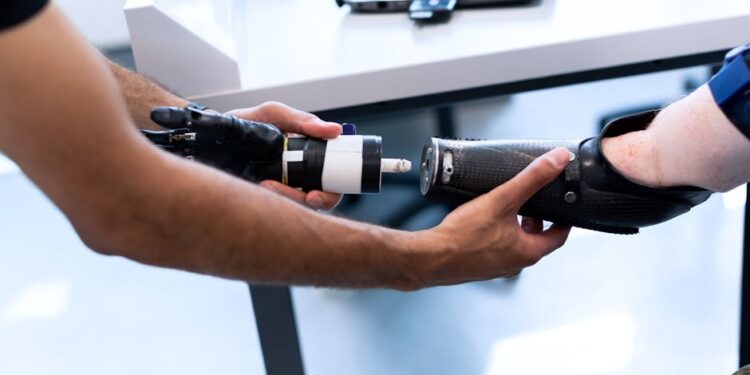
AI is changing the medical landscape, challenging doctors to redefine their roles. What does this mean for your career in healthcare?

AI is reshaping the medical field, forcing doctors to reconsider their roles in patient care. With the rise of AI-powered tools, physicians are grappling with questions about their future relevance. This shift is not just a trend; it’s a fundamental change in how healthcare is delivered. As AI systems become more capable, the implications for medical professionals are profound.
The recent article titled “A.I. Is Making Doctors Answer a Question: What Are They Really Good For?” highlights the growing concerns among physicians regarding AI’s encroachment into their domain. Many doctors express feelings of insecurity as chatbots and AI applications begin to take on tasks traditionally reserved for human practitioners. According to a report by Reuters, AI-powered applications are already assisting in diagnostics and patient management, leading to fears that doctors may become obsolete.
Moreover, a study from 404 Media found that while AI can analyze data efficiently, it lacks the human touch necessary for effective patient care. The emotional intelligence and empathy that doctors provide cannot be replicated by machines. This raises the question: how can doctors leverage their unique skills in an increasingly automated environment?
Why AI Is a Game Changer for Healthcare
AI is revolutionizing the healthcare industry in several ways. For one, it enhances efficiency. AI systems can quickly analyze vast amounts of data, providing insights that would take human doctors much longer to uncover. This capability can lead to faster diagnoses and treatment plans, ultimately improving patient outcomes.
Moreover, a study from 404 Media found that while AI can analyze data efficiently, it lacks the human touch necessary for effective patient care.
Additionally, AI can assist in administrative tasks, freeing up doctors to spend more time with patients. According to a report from KevinMD.com, AI-assisted therapy is gaining traction, allowing clinicians to focus on the human aspects of care while AI manages routine inquiries and data analysis.
However, this shift also poses significant challenges. Doctors must adapt to new technologies and find ways to integrate AI into their practices without losing the personal touch that patients value. The healthcare landscape is changing, and staying relevant requires continuous learning and adaptation.
You may also like
 AI & Technology
OpenAI in Talks With UAE Funds, BlackRock for $30 Billion Round
OpenAI is negotiating a $30 billion funding round with BlackRock and UAE funds, which could reshape the AI startup ecosystem and attract significant investments in…
Read More →As AI tools become more prevalent, the skills that doctors need are evolving. A recent article from Passive Income MD suggests that diversifying skills and exploring side businesses can be beneficial for doctors looking to secure their careers in this new landscape. This might include learning about AI technologies or engaging in entrepreneurial ventures that complement their medical expertise.
How to Adapt to the AI-Driven Healthcare Landscape
For healthcare professionals, adapting to AI integration is crucial. Here are some actionable steps you can take:
- Invest in AI Training: Look for courses or certifications that focus on AI applications in healthcare. Understanding how these technologies work will help you leverage them effectively.
- Enhance Soft Skills: Focus on developing emotional intelligence and communication skills. These are areas where AI cannot compete with human doctors.
- Networking: Engage with tech professionals and other healthcare providers to stay informed about the latest AI developments and share best practices.
- Consider Side Ventures: Explore opportunities for side businesses that utilize your medical knowledge while also incorporating AI technologies.
However, some experts caution against over-reliance on AI in healthcare. A recent study indicates that while AI can enhance efficiency, it may lead to a depersonalization of care. Patients value the human connection and may feel uncomfortable with AI-driven interactions. Therefore, a balanced approach that combines technology with human touch is essential for effective healthcare delivery.
Networking: Engage with tech professionals and other healthcare providers to stay informed about the latest AI developments and share best practices.
The Future of Healthcare with AI
The integration of AI into healthcare is inevitable, and its impact will only grow. As technology advances, we can expect AI to play an even larger role in diagnostics, treatment planning, and patient management. This could lead to more personalized care, as AI systems analyze individual patient data to tailor treatments.

Additionally, the role of doctors may evolve into more of a consultant or facilitator, guiding patients through AI-generated recommendations. This shift could also open new opportunities for healthcare professionals to specialize in areas that require a human touch, such as patient advocacy and mental health support.
You may also like
 AI & Technology
NVIDIA Boosts AI Factories with 20,000 GPUs in India, Malaysia
This expansion is part of a broader initiative to enhance computational capabilities, enabling advanced AI research and development.
Read More →As AI continues to disrupt traditional medical practices, the question remains: how will you adapt your career to thrive in this new environment? The future of healthcare is bright, but it requires proactive steps from professionals to ensure they remain indispensable in the age of AI.